
The Built-In Telephone Niche
Before the era of wandering around with a cordless phone or a smartphone, the household telephone had a dedicated throne. Usually carved into a hallway wall between the kitchen and the living room, this small arched alcove kept the heavy rotary phone tucked away. It often featured a tiny shelf for a notepad to jot down messages and a small cabinet below for the thick local directory.
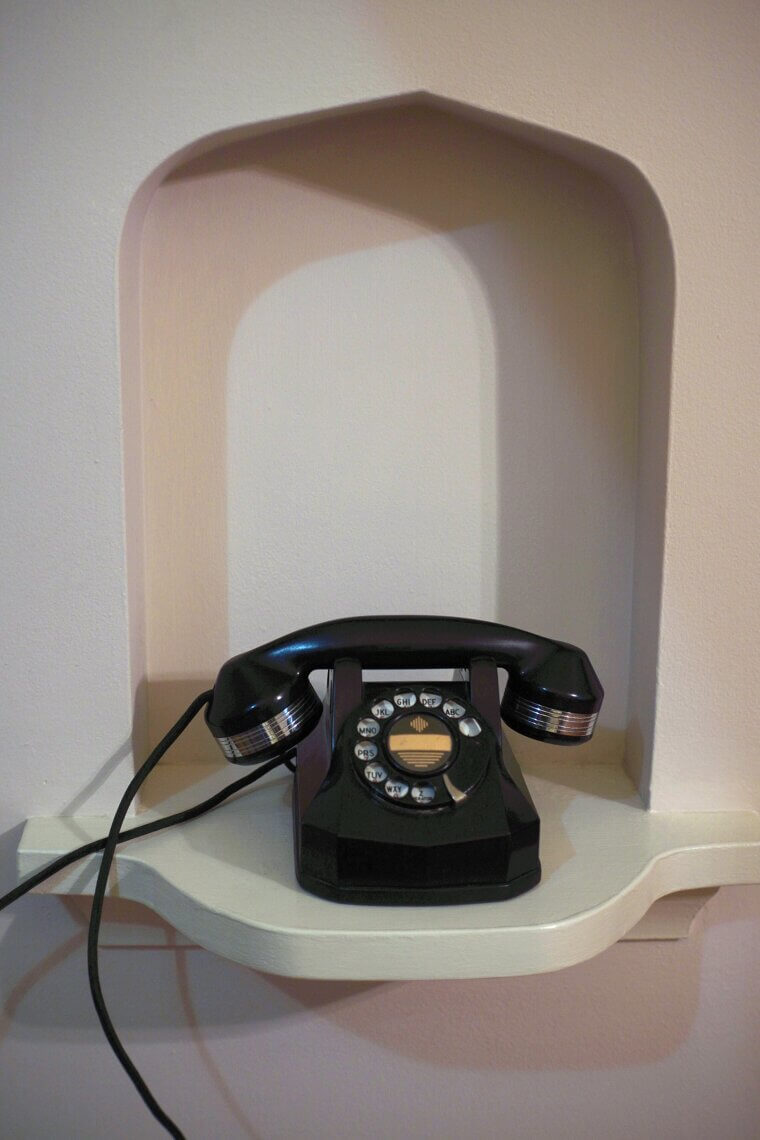
It was the command center of the home, providing a central spot where you’d stand or pull up a chair to catch up on the neighborhood news.
Exterior Milk Chutes
Long before grocery delivery apps, the milkman was the original subscription service. Most 1950s homes featured a small, insulated metal door built right into the side of the house. From the outside, the milkman would deposit fresh glass bottles of cream-topped milk and perhaps some butter or eggs. From the inside, the homeowner could open a matching door to retrieve the goods without ever stepping into the morning chill.
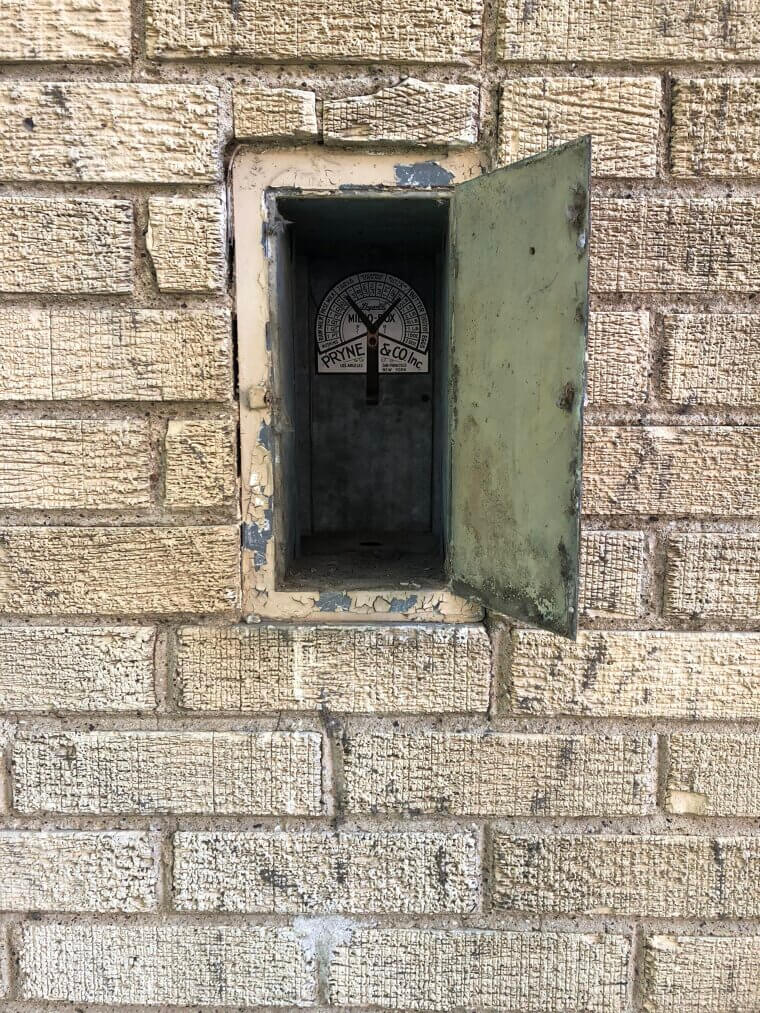
As supermarkets became more accessible and refrigerators grew more powerful, these clever little portals were eventually sealed up or painted over.
Gravity-Fed Laundry Chutes
Doing the laundry was quite a chore, but the laundry chute made getting the clothes to the basement a breeze. Usually hidden behind a small door in the bathroom or hallway, this vertical tunnel allowed you to drop your dirty linens directly into a basket next to the washing machine downstairs. It saved countless trips down steep basement stairs with heavy wicker baskets. They were incredibly convenient.
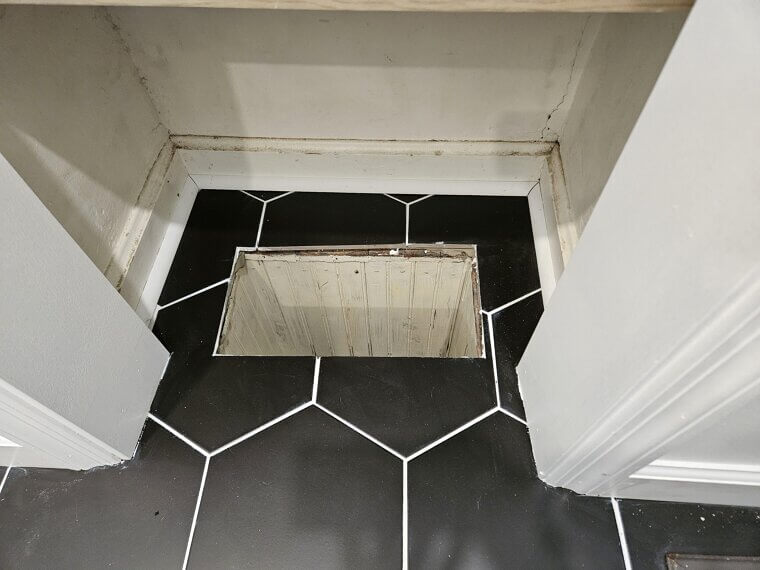
But a modern fire codes eventually led to their decline in new constructions, as they could unfortunately act as a chimney for flames in the event of a house fire.
Wall-Mounted Pull-Out Ironing Boards
In an age where crisp pleats and starched collars were the standard, the ironing board was a daily essential rather than an occasional nuisance. Rather than lugging a heavy, clunky metal stand out of a closet, 1950s homeowners simply opened a slender wooden cabinet door in the kitchen or utility room. The board was hinged and would fold down instantly, ready for action. It was a masterpiece of space-saving engineering.
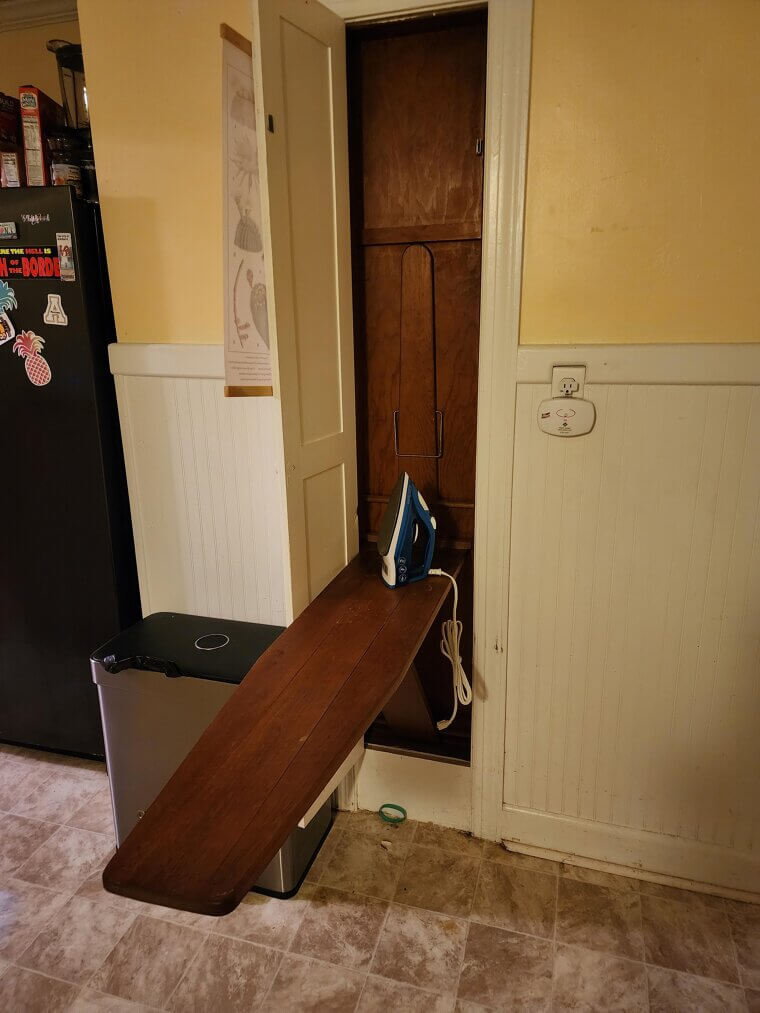
Once the chores were finished, it tucked back into the wall, keeping the living space looking tidy and completely uncluttered.
Pastel Porcelain Bathroom Fixtures
The 1950s bathroom was anything but sterile and white; it was a celebration of soft colors. Homeowners took great pride in their coordinated sets of "Mamie Pink," "Ming Green," or "Sky Blue" toilets, tubs, and sinks. These fixtures were often accented with contrasting black or grey tiles. While modern tastes eventually shifted toward neutral whites and greys, there is a growing appreciation today for these vibrant, candy-colored retreats.
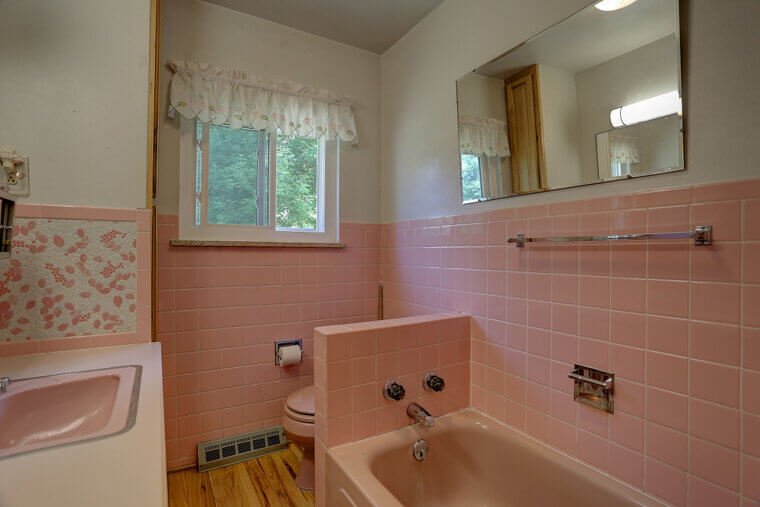
They represented a post-war optimism and a desire to bring a bit of cheer and personality into even the most functional rooms of the house.
The "Pass-Through" Kitchen Window
As the 1950s embraced a slightly more casual lifestyle, the "pass-through" became a popular architectural bridge between the kitchen and the dining area. This rectangular opening in the wall allowed the cook to hand plates directly to someone at the table without walking around. It also allowed the person preparing the meal to stay part of the conversation. Often featuring a small counter or a set of shutters, it was the precursor to the modern open-concept floor plan.
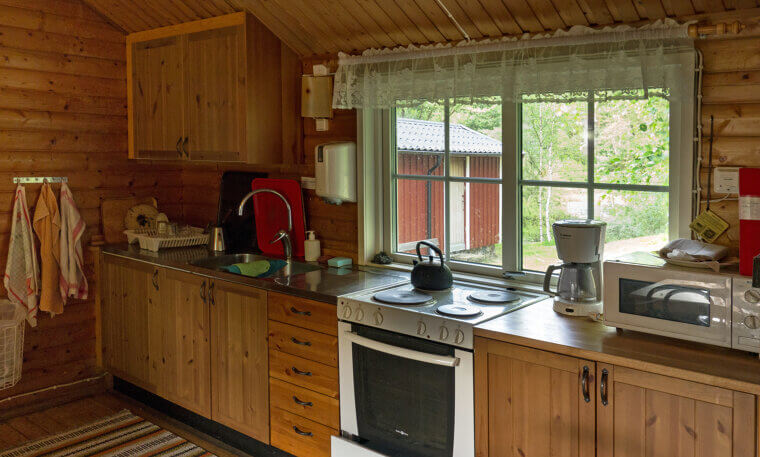
It offered a glimpse of connectivity while still keeping the kitchen messes hidden from the guests.
Scalloped Wooden Valances
In the 1950s, a kitchen wasn't complete without a bit of decorative woodwork above the sink. Scalloped valances—curved, wave-like wooden trim—were often installed to bridge the gap between upper cabinets. They served to hide the fluorescent light fixture and gave the room a cozy, "storybook cottage" feel. Often painted a crisp white or a bright accent color, these charming details added a touch of softness to the hard angles of the cabinetry.
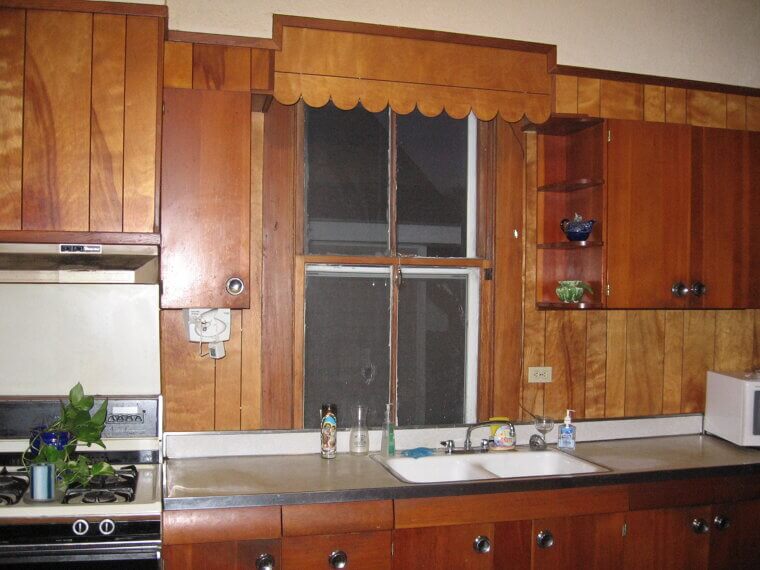
They are a hallmark of mid-century charm that many renovators today are choosing to preserve or recreate for that vintage look.
Linoleum Flooring With Inlays
While we often think of "vinyl" today, the 1950s was the golden age of true linoleum. This durable material was prized for being easy to clean and came in a dizzying array of marbleized patterns and "confetti" styles. The most prestigious homes featured custom inlays, such as starbursts, geometric borders, or even compass roses in the center of the room. It was a way to add artistic flair to a functional space.
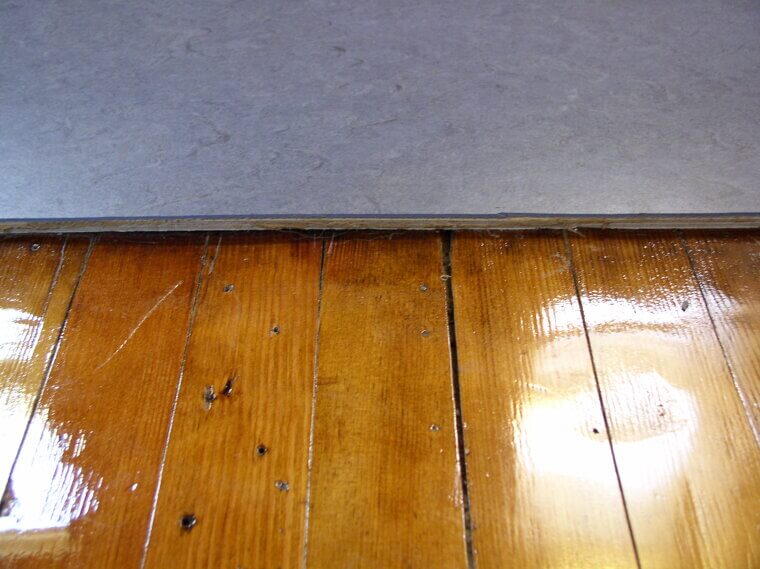
Unlike the peel-and-stick tiles of later decades, this flooring was built to last for generations and felt remarkably comfortable underfoot.
Mudrooms With Boot Scrapers
Post-war suburban life meant kids playing outside and neighbors popping over, which necessitated a transition zone. The mudroom was the home’s "airlock," often located off the back door. The most practical feature was the heavy iron boot scraper bolted to the porch or integrated into the entryway. It was an essential tool for removing mud or snow before entering the pristine kitchen. These spaces were lined with sturdy hooks for heavy coats and cubbies for galoshes.
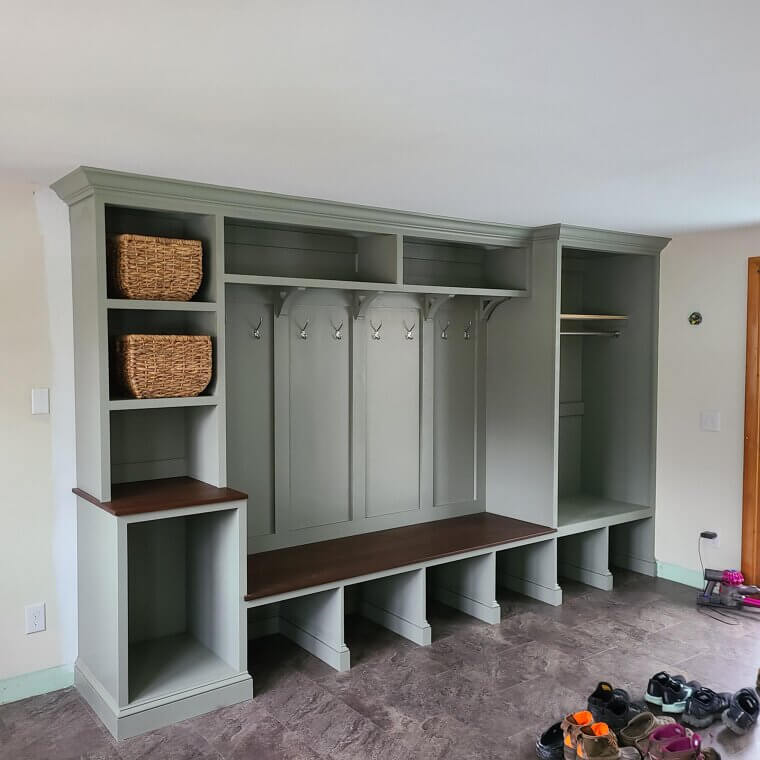
They ensured that the rest of the house remained a clean sanctuary away from the elements.
Venetian Blinds With Fabric Tapes
Before the popularity of curtains or plastic shutters, metal Venetian blinds were the standard window treatment. What made the 1950s version unique were the wide, decorative fabric tapes that held the slats together. These tapes weren't just functional; they were a design element, often coming in contrasting colors or patterns to match the room's decor. They provided excellent light control and privacy while giving the windows a structured, tailored look.
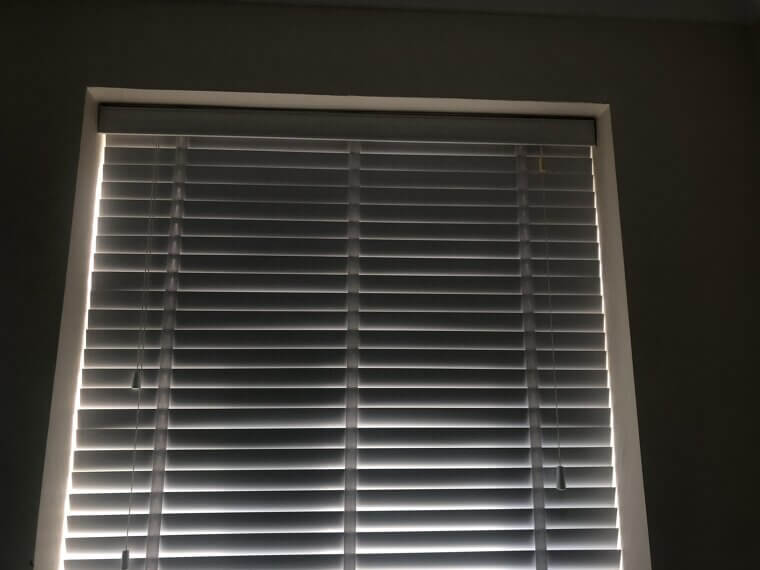
The gentle "clack-clack" sound of the metal slats closing is a core auditory memory for anyone who grew up in that era.
11. Built-In Breakfast Nooks
The "cozy corner" was a staple of the 1950s kitchen. Often tucked into a sunny bay window, these built-in benches or banquettes created a semi-private space for morning coffee or a quick lunch. Usually upholstered in durable, sparkly Naugahyde or vinyl, they were designed to be "kid-proof" and easy to wipe down. The breakfast nook encouraged family togetherness in a less formal setting than the main dining room.
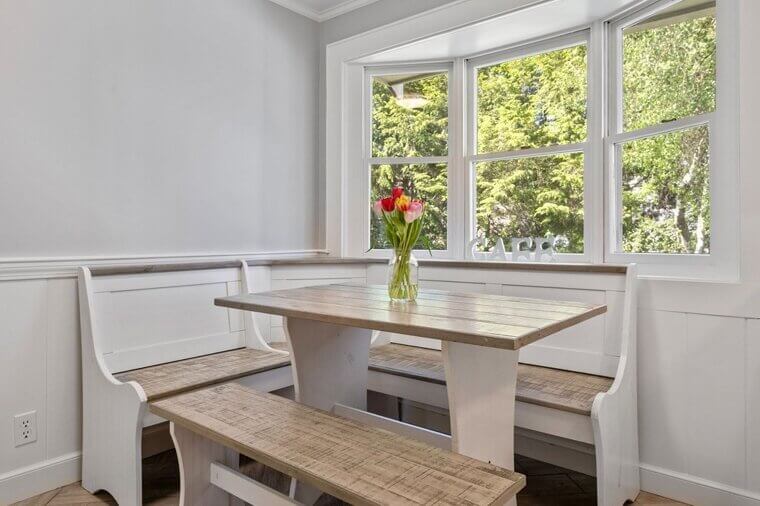
It felt like having a private booth at your favorite local diner, right in the comfort of your own home, making every meal feel special.
Crank-Out Jalousie Windows
Commonly found in sunrooms and warmer climates, jalousie windows consisted of several horizontal glass slats that moved in unison via a hand crank. They were the ultimate for ventilation, as they could be tilted to let in a breeze while keeping out a light rain. They offered a unique, textured look to the exterior of the home. They weren't the most energy-efficient by today’s standards.
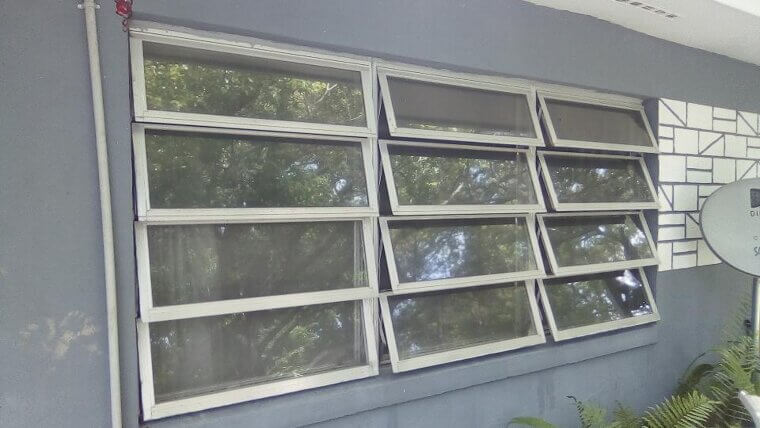
But they represented a period when homes were designed to work with the natural climate, allowing the sounds and smells of the garden to drift easily into the living space.
Radiator Covers With Integrated Shelves
For homes built in the early 1950s that still utilized steam heat, the bulky metal radiator was often masked by a decorative metal cover. These weren't just for safety to prevent burns; they were stylish pieces of furniture. Many featured intricate lattice patterns that allowed heat to escape while providing a flat surface on top for displaying family photos, lamps, or indoor plants. These covers turned a mechanical necessity into a decorative asset.
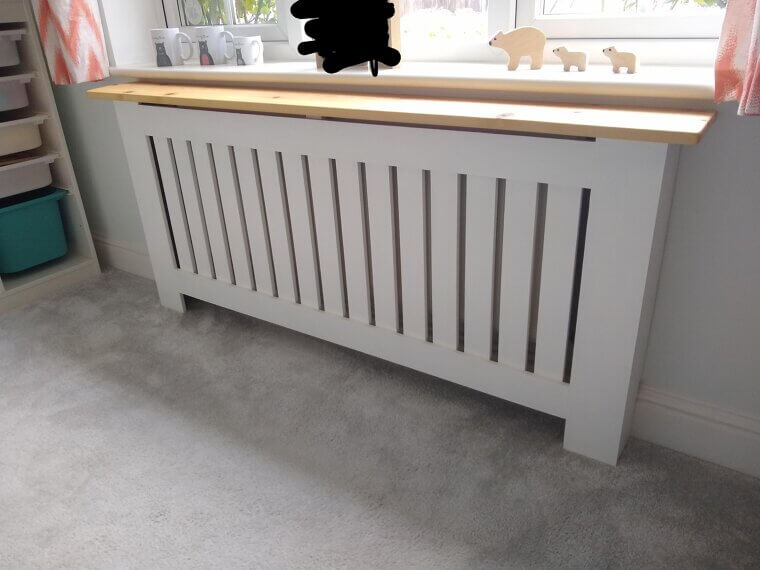
They softened the industrial look of the radiator and helping the heating unit blend seamlessly into the room’s overall aesthetic.
Hand-Cranked Doorbell Chimes
Before electronic buzzers and smart doorbells, many 1950s homes featured a mechanical doorbell that required a simple turn of a handle on the outside. This would trigger a physical hammer to strike a metal bell or a set of melodic chimes inside the house. The sound was distinct, warm, and couldn't be mistaken for a television noise. On the interior, the chime mechanism was often housed in a decorative wooden or plastic box.
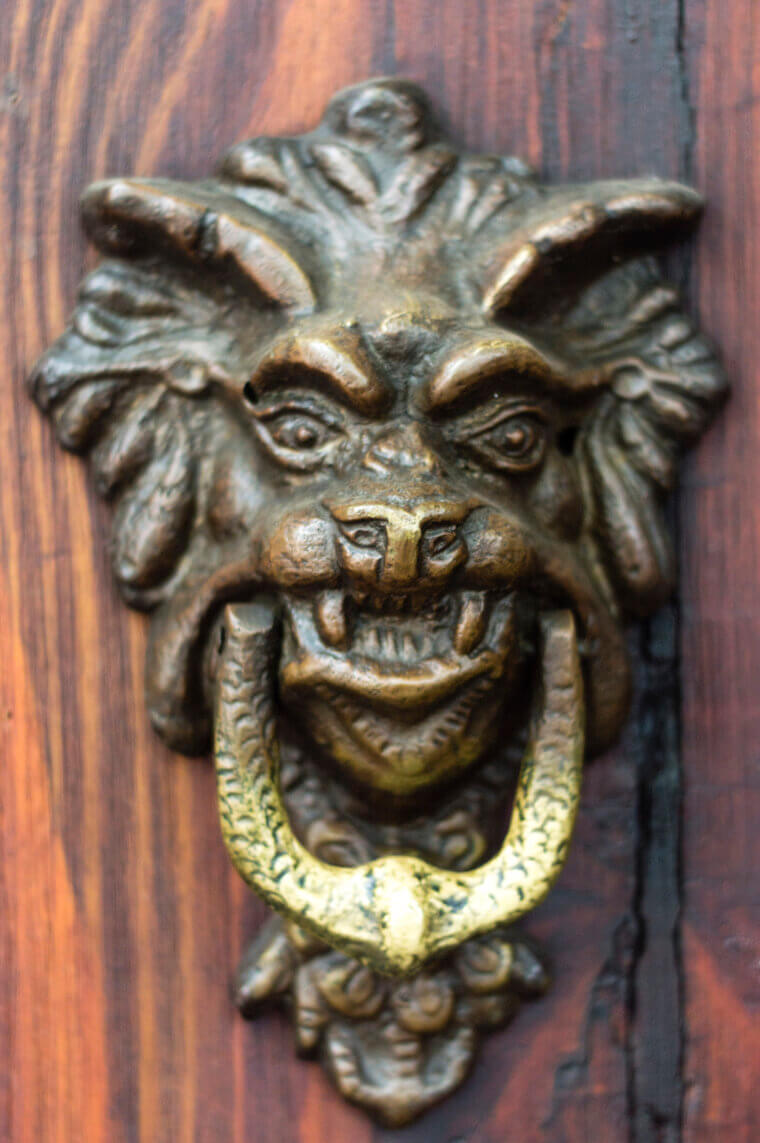
And that doubled as a piece of wall art. It was a simple, tactile interaction that announced the arrival of a friend.
The "Doctor's Door" or Package Receiver
Similar to the milk chute, the package receiver was a small, two-door cabinet built into the wall of the kitchen or service porch. It was designed for deliveries from the local butcher or grocer. The delivery person would place the items inside from the exterior door and lock it, and the homeowner would retrieve them from the interior. This "contactless delivery" was decades ahead of its time!

It provided a secure way for small parcels to be dropped off without the homeowner needing to be home or even answer the door.
Patterned Wallpaper in Closets
A delightful secret of many 1950s homes was the attention paid to spaces most guests would never see. It was common practice to line the inside of bedroom closets with vibrant, patterned wallpaper. Opening a closet door revealed a burst of floral prints, stripes, or whimsical motifs that matched the room's theme. This "hidden" decor made the simple act of hanging up a coat feel a bit more cheerful.
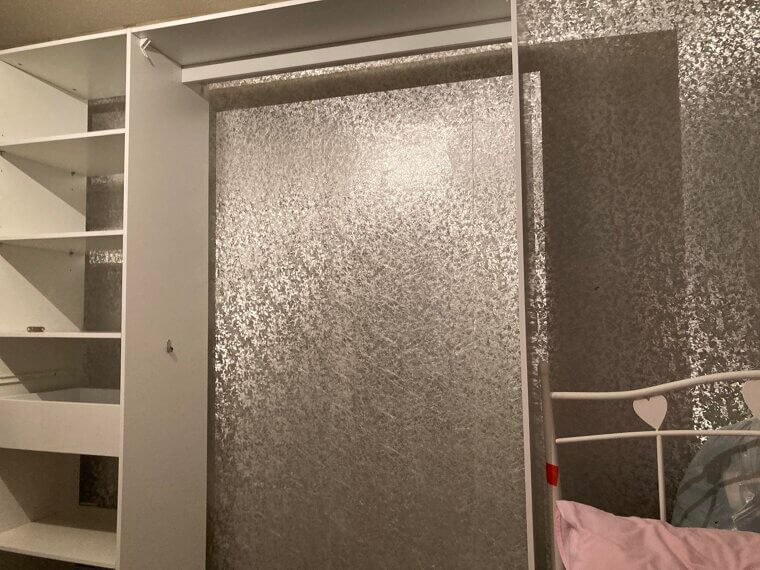
It reflected a time when every corner of the home was considered worthy of a little extra beauty and a personalized, thoughtful touch.
Basement "Rumpus Rooms"
The 1950s saw the rise of the finished basement, affectionately known as the "rumpus room." This was the designated space for loud fun, teenagers, and Dad’s hobby equipment. Often featuring knotty pine paneling, a linoleum floor for dancing, and perhaps a small bar with stools, it was the ultimate retreat for casual entertaining. It was the one place in the house where the furniture didn't have to be perfect and the "good" rugs weren't at risk.
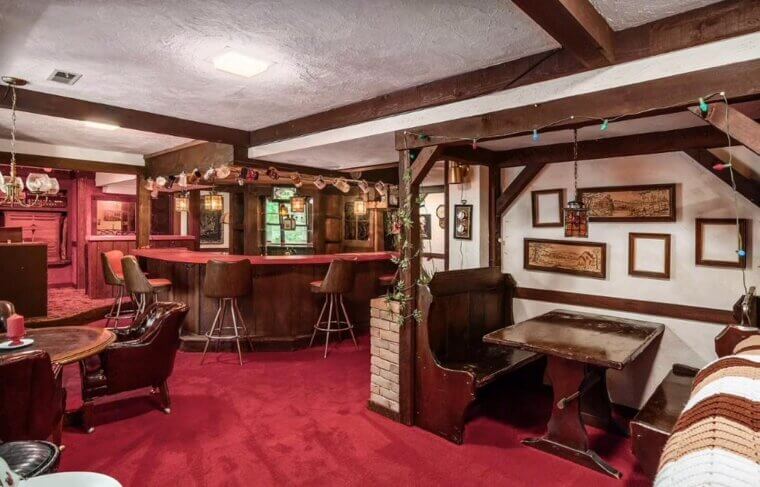
It was the heart of Friday night gatherings and the birthplace of many family memories.
Decorative Wrought Iron Porch Pillars
As the Victorian era faded, the 1950s brought a new kind of ornamental ironwork to the suburban front porch. Instead of heavy stone columns, many homes featured slender, decorative wrought iron pillars. These often showcased swirling "S" curves, ivy leaf patterns, or geometric mid-century modern designs. They gave the front of the house a light, airy feel and provided a perfect trellis for climbing roses or clematis.
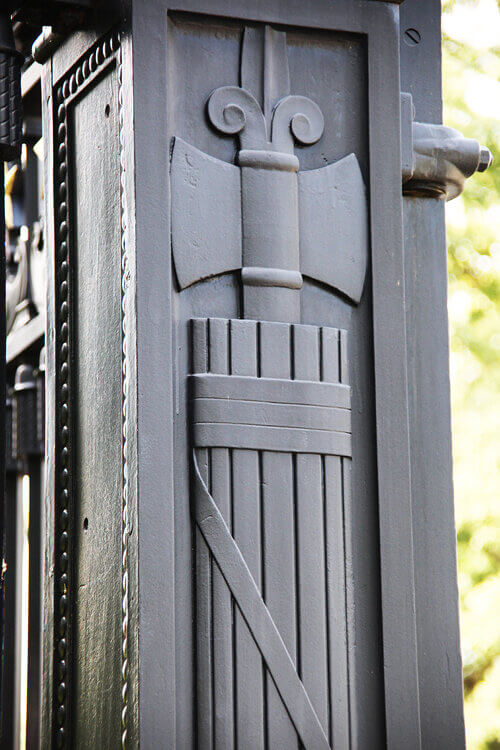
These pillars were a symbol of the "new" suburban aesthetic—clean, stylish, and just a little bit fancy without being overly pretentious or heavy.
Push-Button Light Switches
In a brief but glorious era of home automation, push-button light switches were the height of modern luxury. Rather than the standard toggle flip, these featured two rectangular buttons: one for "on" and one for "off." They often had a satisfying, heavy "click" that let you know the connection was made. Some higher-end versions even featured a small neon glow so you could find them in the dark. They felt futuristic and high-tech at the time.
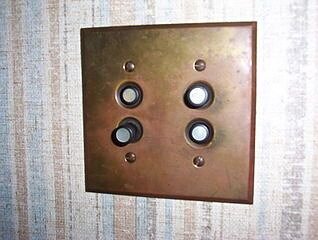
They represented the 1950s obsession with "Space Age" convenience and the push toward a more mechanical, automated household.
Built-In Magazine Racks
In the 1950s, print media was king, and a "perfect" home needed a place for the latest issues of Life, Look, or Better Homes & Gardens. Many houses featured built-in magazine racks, often located in the bathroom or next to a favorite armchair in the living room. These were recessed into the wall or integrated into the side of a wooden cabinet. It kept the surfaces of coffee tables clear of clutter while ensuring that reading material was always within arm's reach.
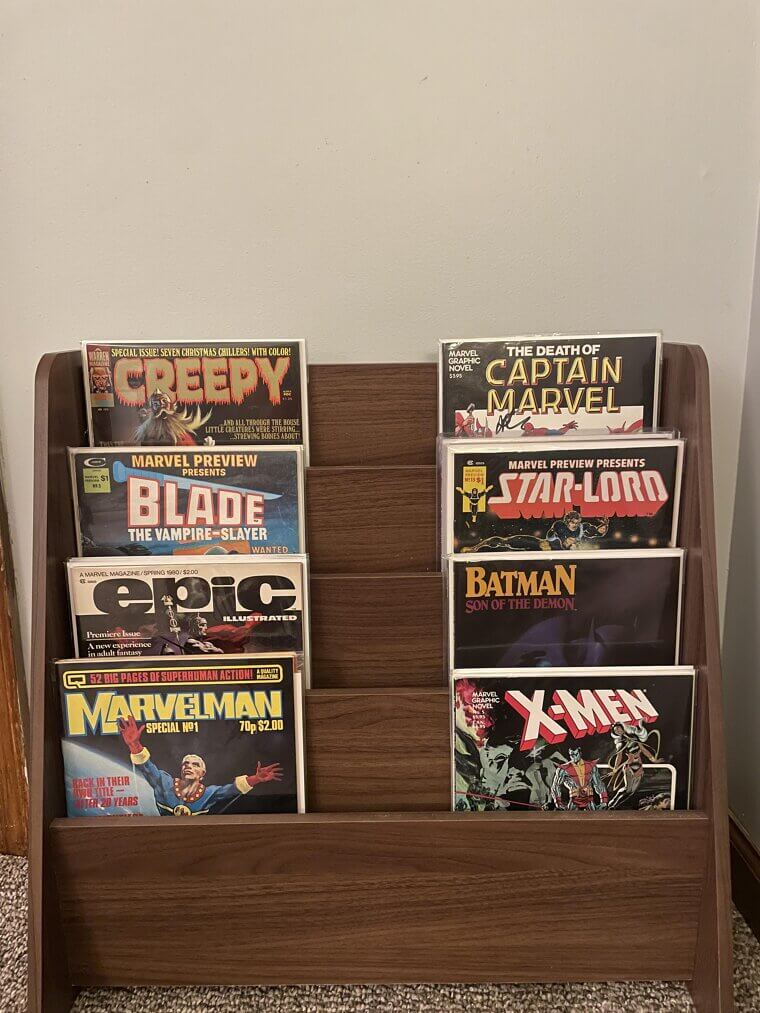
It was a simple solution for a time when staying informed meant flipping through glossy pages.
Glass Block Windows
To bring light into dark hallways or bathrooms while maintaining absolute privacy, 1950s architects loved the glass block. These thick, translucent cubes could be stacked to create entire walls or small accent windows. They diffused sunlight into a soft, glowing haze and were virtually impossible to see through from the outside. Often associated with the "Streamline Moderne" style, they added a touch of industrial-chic to the suburban home.
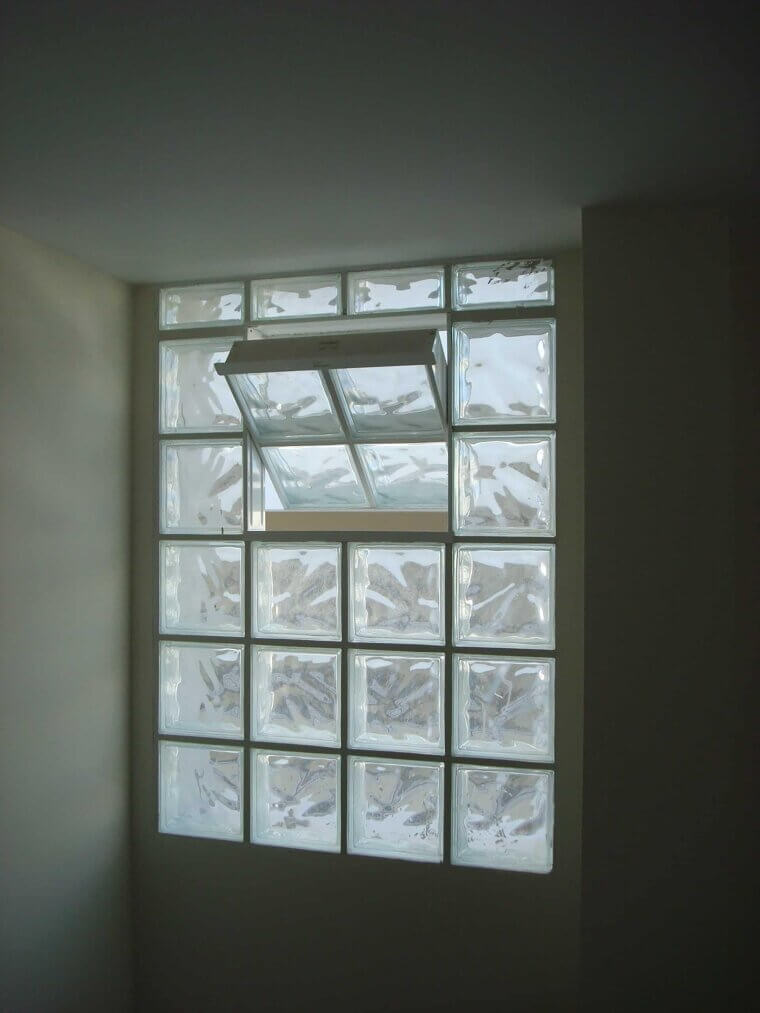
They were also excellent insulators, keeping the heat in during the winter and the cool air in during the summer months.
Pivot-Out Corner Cabinets
Kitchen efficiency reached new heights in the 50s with the introduction of clever storage solutions. The "Lazy Susan" or pivot-out corner cabinet was a game changer for the dreaded "dead space" in kitchen corners. With a simple tug, a series of circular shelves would rotate or swing out, bringing the flour, sugar, and canned goods right to your fingertips. No more crawling on hands and knees with a flashlight to find a rogue pot lid!
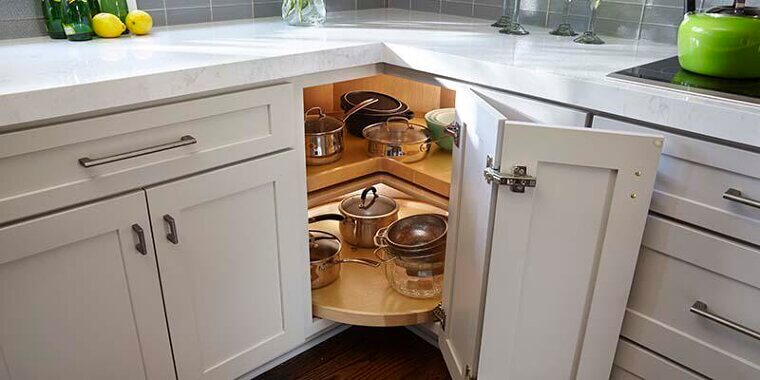
It was a masterpiece of ergonomics that proved that a well-designed kitchen could actually make daily life much easier.
Formica Countertops With Metal Edging
Nothing says "1950s Kitchen" quite like a bright Formica countertop bound by a shiny ribbed aluminum or chrome edge. Formica was the miracle material of the age—heat resistant, easy to wipe down, and available in iconic patterns like the "Boing" or "Skylark" (often called the "boomerang" pattern). The metal edging wasn't just for looks; it protected the corners from chips and gave the kitchen a sleek, diner-inspired feel.
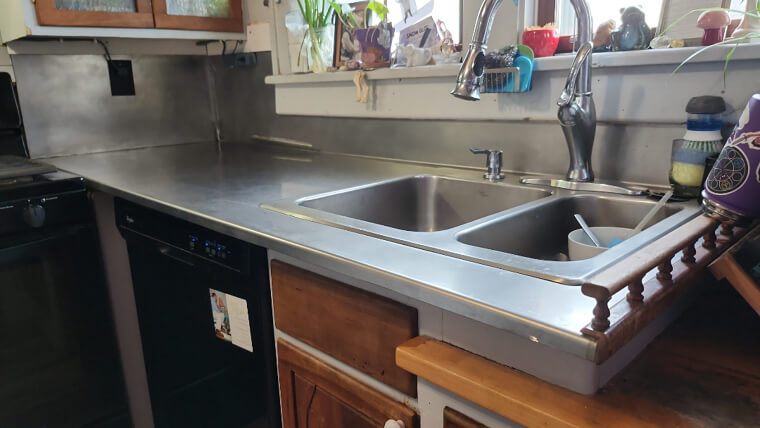
It was a bold statement of modernity that embraced man-made materials and bright, optimistic colors like turquoise, yellow, and coral.
Integrated Under-Cabinet Flour Sifters
For the serious home baker of the 1950s, convenience was baked right into the kitchen design. Some high-end cabinetry featured built-in flour sifters mounted directly underneath the upper cabinets. You would simply place your measuring bowl underneath, turn a small crank, and perfectly aerated flour would dispense directly into your mix. It eliminated the mess of hand-sifting and saved precious counter space. Most of these have been removed in modern renovations.
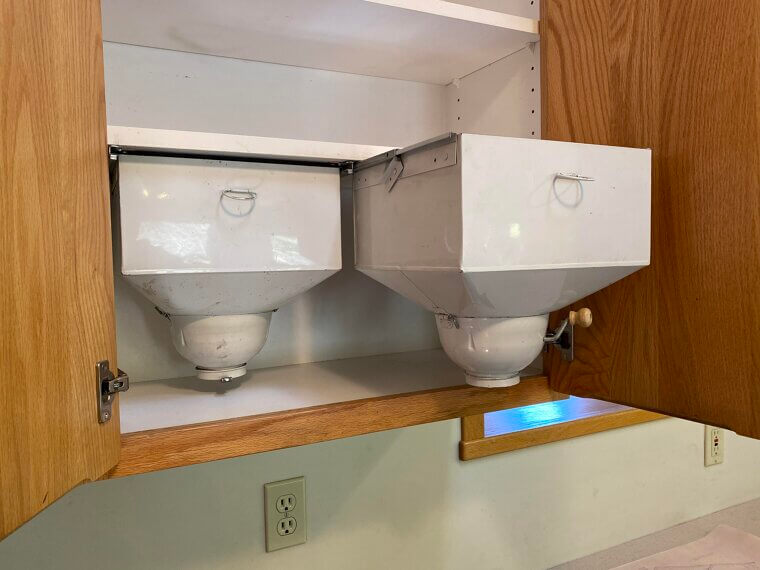
But they remain a charming reminder of a time when scratch-made cakes and pies were a daily occurrence in the home.
The Hallway Linen Closet
In a time before every bedroom had a massive walk-in closet, the hallway linen closet was a structural necessity. Usually located near the primary bathroom, these floor-to-ceiling cupboards were masterpieces of organization. They featured wide, deep shelves for heavy wool blankets, crisp cotton sheets, and fluffy towels, often with a set of smaller drawers at the bottom for pillowcases and "fancy" guest soaps.
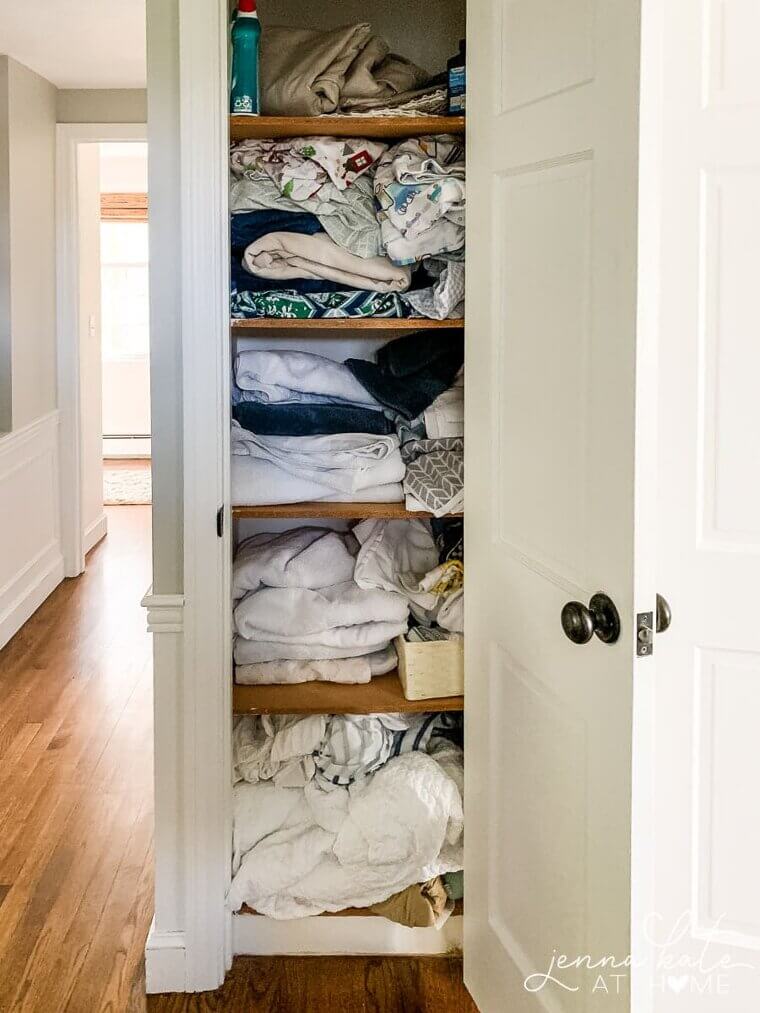
The scent of cedar or lavender sachets would waft out whenever the door opened, creating a sense of domestic order and comfort that many modern homes sadly lack.
Attached Carports
As the "second car" became a reality for many families, the carport emerged as a stylish and affordable alternative to the traditional garage. These open-sided structures protected the family station wagon from the elements while maintaining a sleek, modern profile for the house. They often featured decorative support beams or storage lockers for garden tools along one side. The carport encouraged a connection with the outdoors.
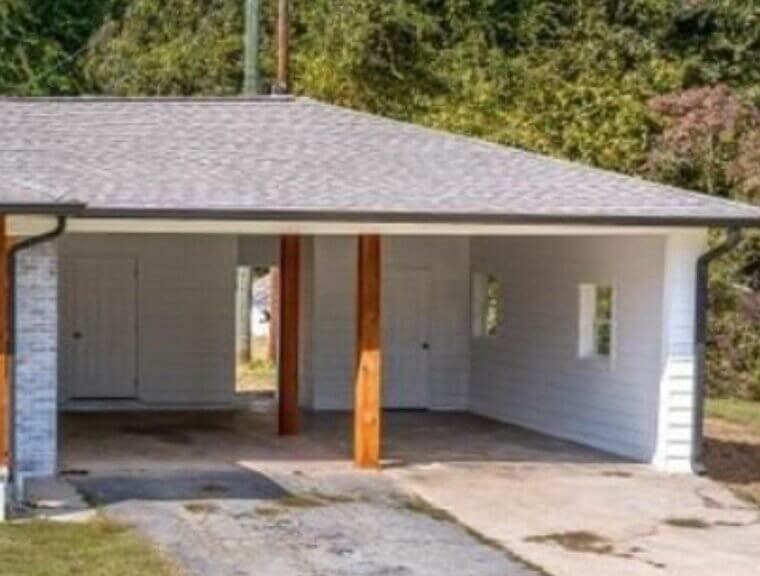
And it allowed for a more "open" feel to the property, reflecting the decade's shift toward a more relaxed, suburban lifestyle and an obsession with car culture.
Sliding Pocket Doors
To save space in smaller suburban floor plans, the 1950s home frequently utilized pocket doors. These doors didn't swing on a hinge; instead, they slid into a recessed "pocket" inside the wall. They were perfect for separating the kitchen from the dining room or closing off a hallway. When open, they disappeared completely, creating a wide, seamless flow between rooms. When closed, they provided instant privacy.
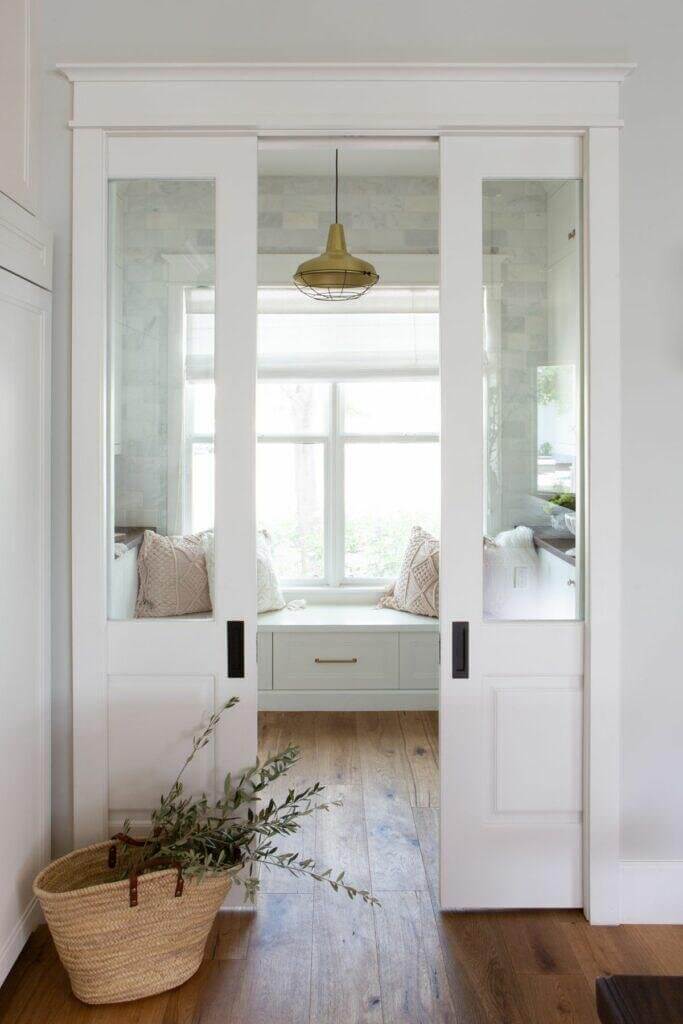
They were an elegant solution to the problem of "door swing" clutter, allowing for more flexible furniture placement and a cleaner architectural look.
Attic Fans (The "Whole House" Fan)
Before central air conditioning was a standard feature, the massive attic fan was the ultimate summer cooling solution. Usually installed in the ceiling of a central hallway, this powerful fan would pull cool evening air in through open windows and vent the hot air out through the attic. The "whoosh" of the fan and the gentle breeze it created throughout the house is a nostalgic summer sound for many.
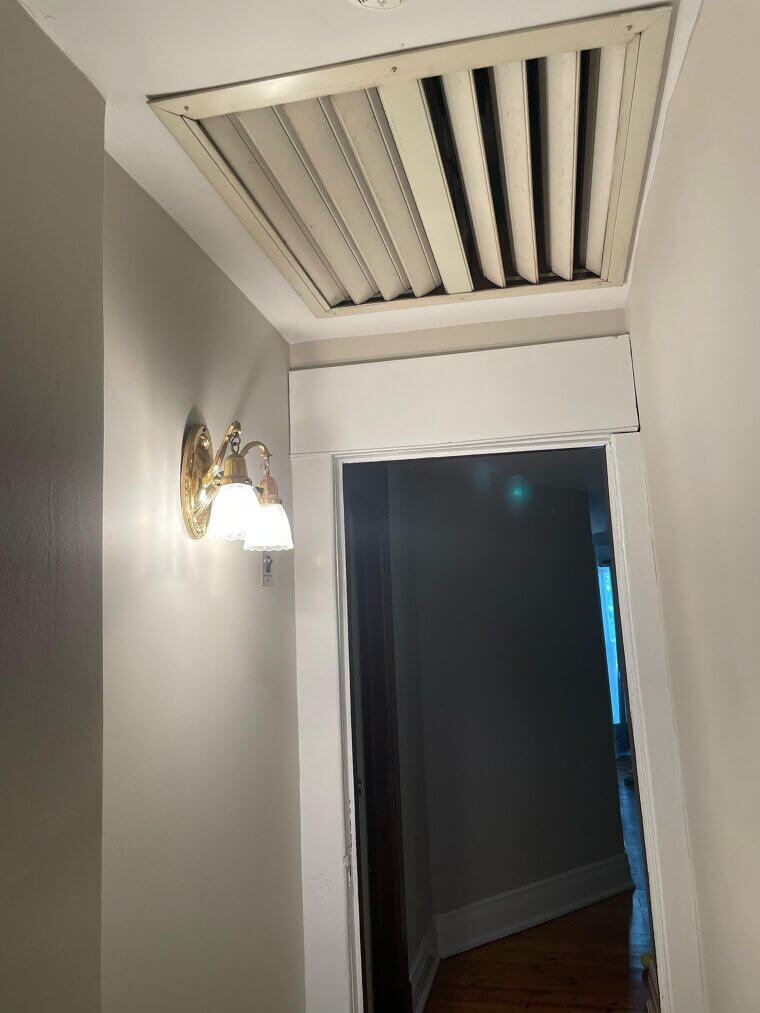
It was an effective, low-energy way to cool down the entire home, often making a humid night feel significantly more bearable.
Ceramic Tile "Soap Dishes" Built Into the Wall
In the 1950s bathroom, nothing was left to chance—not even where you put your soap. Instead of plastic caddies that hang from the showerhead, these bathrooms featured heavy ceramic soap dishes and toothbrush holders fired directly into the wall tile. They were permanent, incredibly sturdy, and matched the color of the wall perfectly. Some even featured a small "grab bar" to help you balance in the tub.
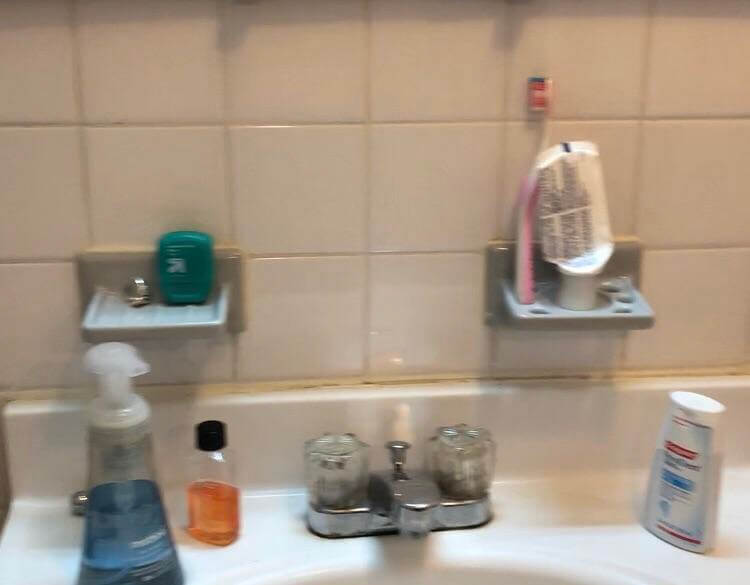
These built-in accessories gave the bathroom a finished, custom-built look that felt much more substantial and high-quality than the "stick-on" solutions of today.
Cedar-Lined "Winter" Closets
To protect expensive wool coats and heirloom quilts from moths, many 1950s homes included a specific closet lined entirely with aromatic red cedar. The natural oils in the wood acted as a deterrent to pests and gave everything stored inside a wonderful, woodsy scent. Often located in the basement or a guest wing, this was where the heavy winter gear went to "hibernate" during the summer months.
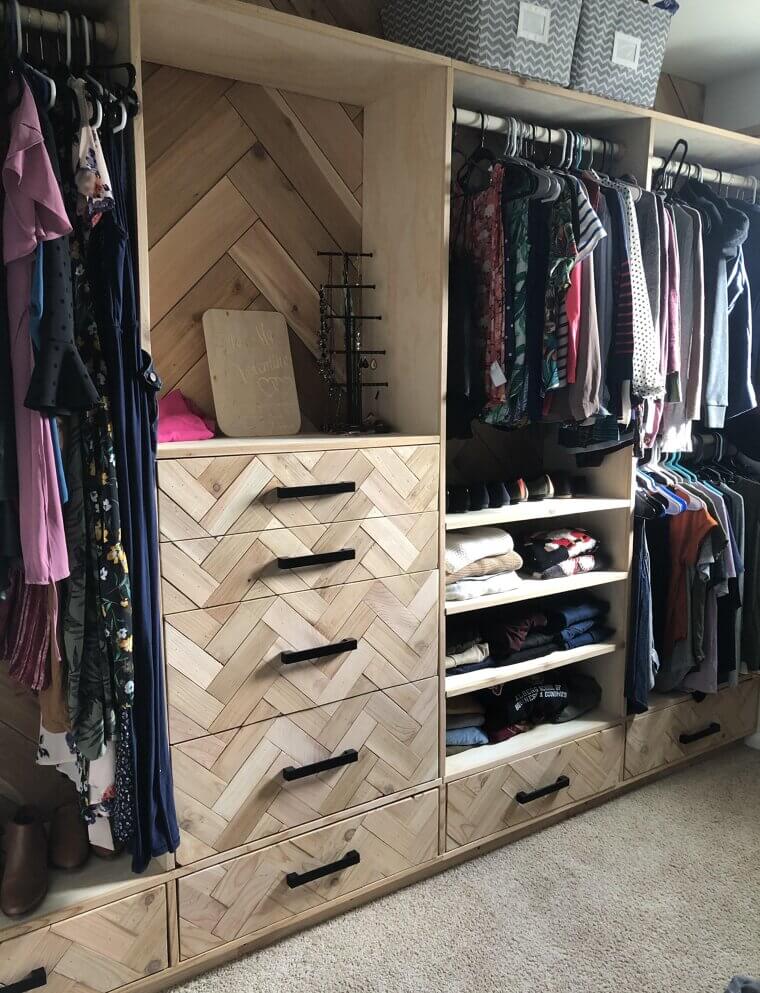
It was a dedicated space for seasonal preservation, reflecting a time when people took great care to maintain and protect their quality clothing and linens.
Accordion-Style Room Dividers
For the ultimate in flexible living, the 1950s introduced the vinyl accordion door. These folding partitions could be pulled across a large opening to instantly turn one large room into two smaller ones. They were frequently used to hide a laundry nook or to separate a "den" from the main living area. Available in various colors and textures (some even mimicking wood grain), they were a quick and inexpensive way to add "walls" without the need for a contractor.
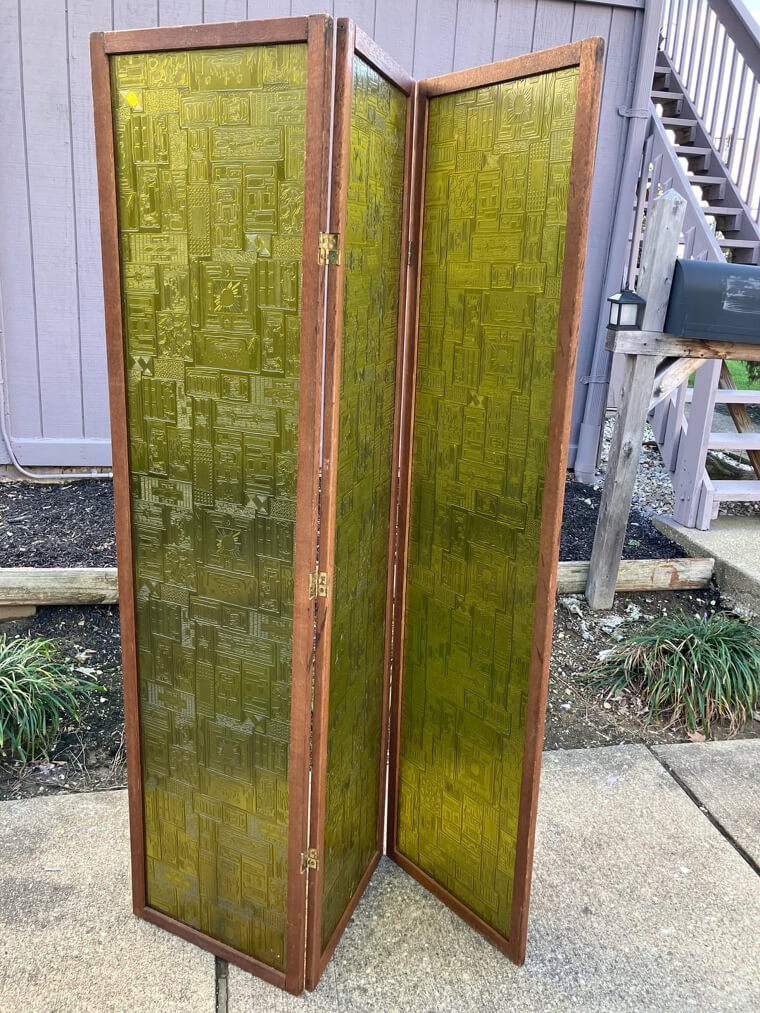
They represent the mid-century desire for homes that could adapt to the family's needs.
Metal Kitchen Cabinets
While wood is the standard today, many 1950s kitchens were outfitted with heavy-duty, powder-coated steel cabinets. Brands like Youngstown or Geneva offered these in gleaming white or soft pastels. They were prized for being fireproof, pest-proof, and virtually indestructible. The "clink" of a metal cabinet door closing is a very specific nostalgia trigger. They often featured clever built-ins like bread boxes or flour bins.
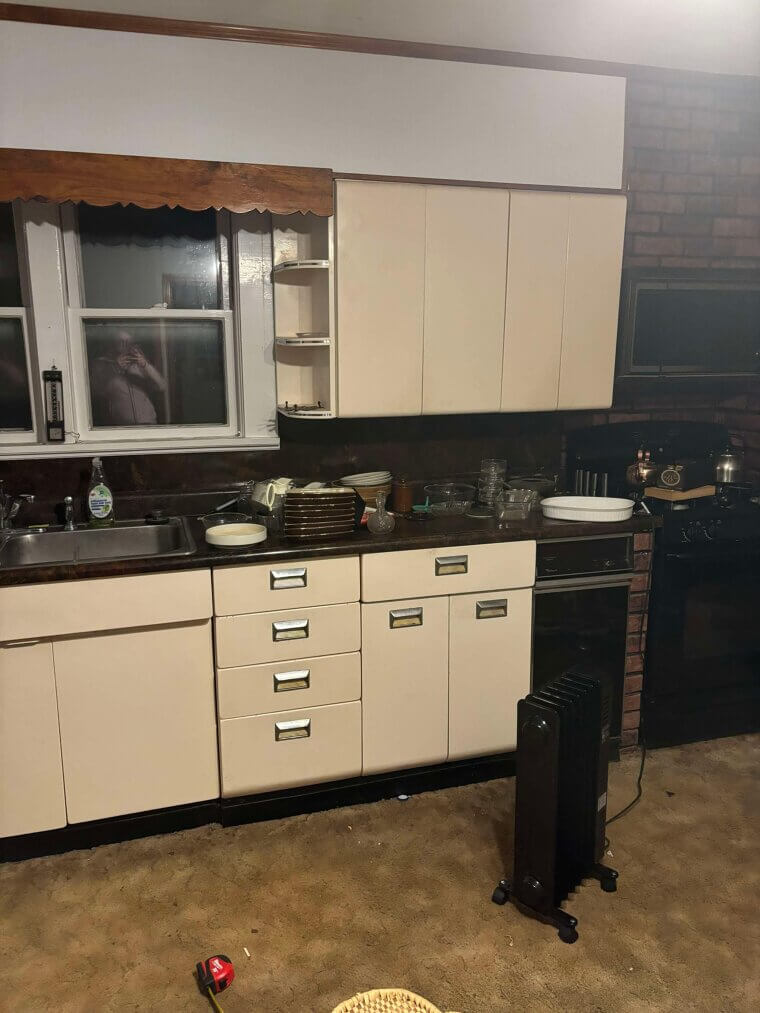
Today, these vintage metal cabinets are highly sought after by restorers who appreciate their "Space Age" industrial aesthetic and their incredible, lifelong durability.
The Built-In "Towel Bar" Radiator
In some colder-climate 1950s homes, the bathroom radiator was designed with functionality in mind. It wasn't just a heater; it was shaped like a series of chrome bars specifically meant for hanging towels. This meant that when you stepped out of a bath on a snowy morning, your towel was toasty warm. It was a small touch of everyday luxury that felt incredibly indulgent.
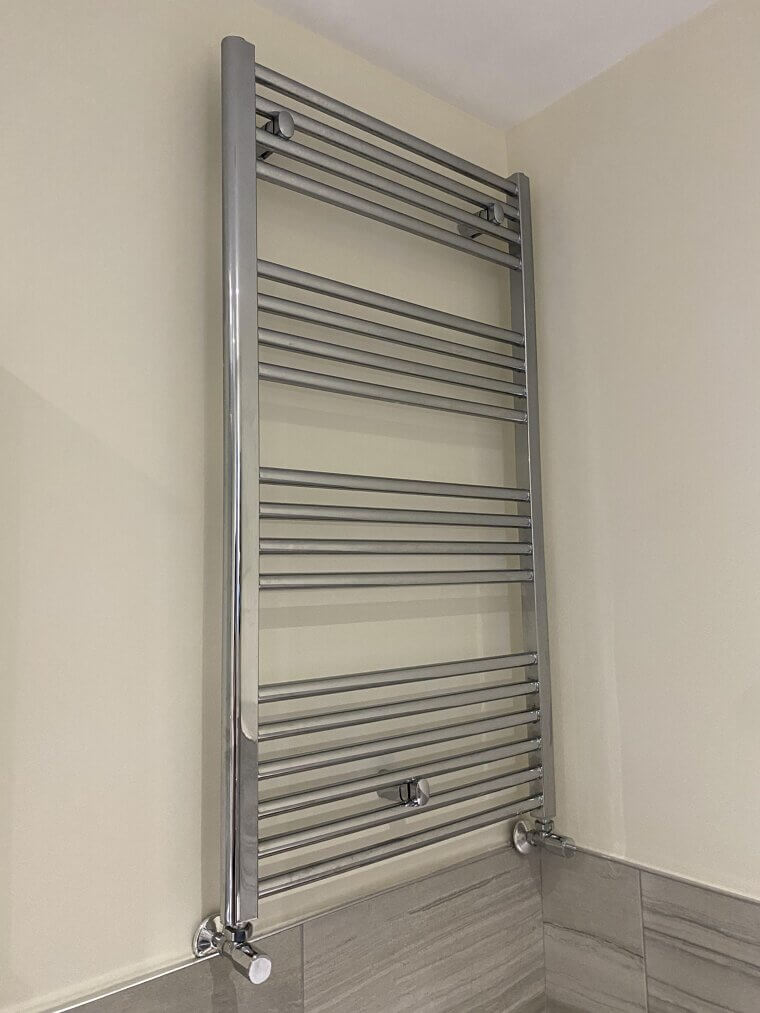
It combined the necessity of home heating with the comfort of a spa, showing that 1950s design was often about finding small ways to make daily life more pleasant.
Flagstone Fireplaces
The 1950s living room often centered around a massive, floor-to-ceiling fireplace made of natural flagstone or "Z-brick." These weren't the tidy, symmetrical brick chimneys of the past; they were often asymmetrical, featuring "floating" mantels made of thick wood and integrated planters for ivy. The use of natural stone brought an earthy, "indoor-outdoor" element to the home, which was a hallmark of the Mid-Century Modern movement.
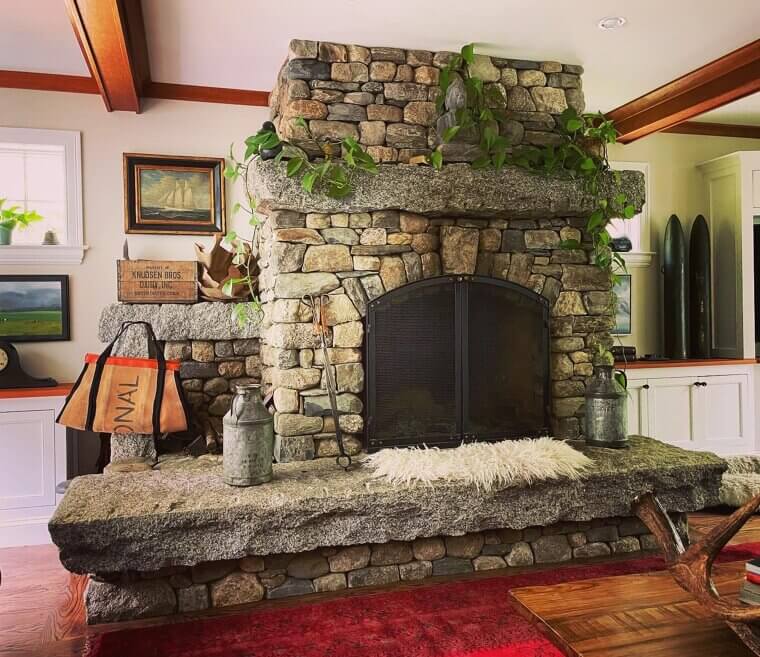
It was the focal point for family gatherings, providing a rugged yet cozy backdrop for holiday photos and quiet evenings spent by the fire.
Built-In Nightstand Niches
In some clever 1950s bedroom designs, the "nightstand" was actually a built-in part of the wall or headboard unit. These niches were carved into the wall on either side of where the bed would go, often featuring a small light fixture and a shelf for a book or a glass of water. This kept the floor clear and gave the bedroom a streamlined, custom look.
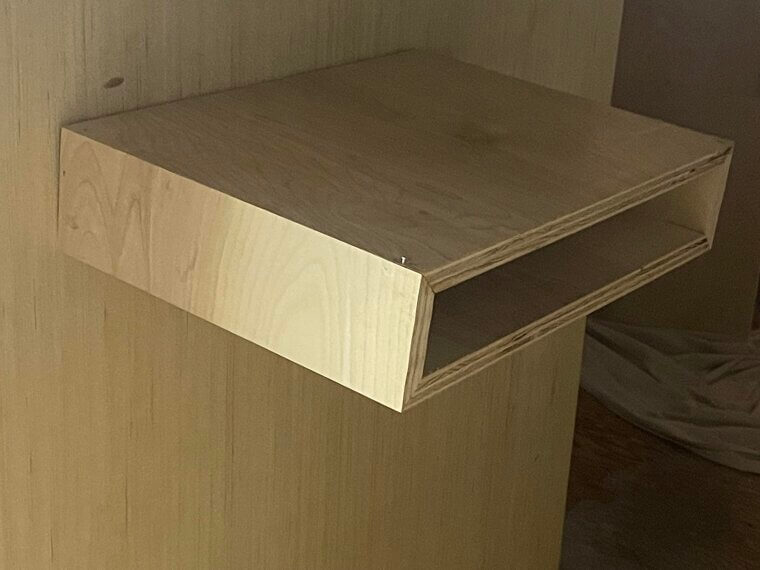
It was a brilliant use of space in smaller suburban bedrooms, ensuring that the "essentials" were always within reach without the need for extra, bulky furniture.