
Obsolete Software and Floppy Disks: The $1,500 Digital Time Capsule
You see a box of dusty 3.5-inch floppy disks; a collector sees a digital relic from the dawn of computing. While most old tech is e-waste, original, boxed versions of early software—think Windows 1.0, the first Adobe Photoshop, or niche MS-DOS adventure games—can fetch thousands of dollars. The value skyrockets if the original "big box" packaging, spiral-bound manuals, and "feelies" (physical trinkets like maps or coins included in old game boxes) are still intact.
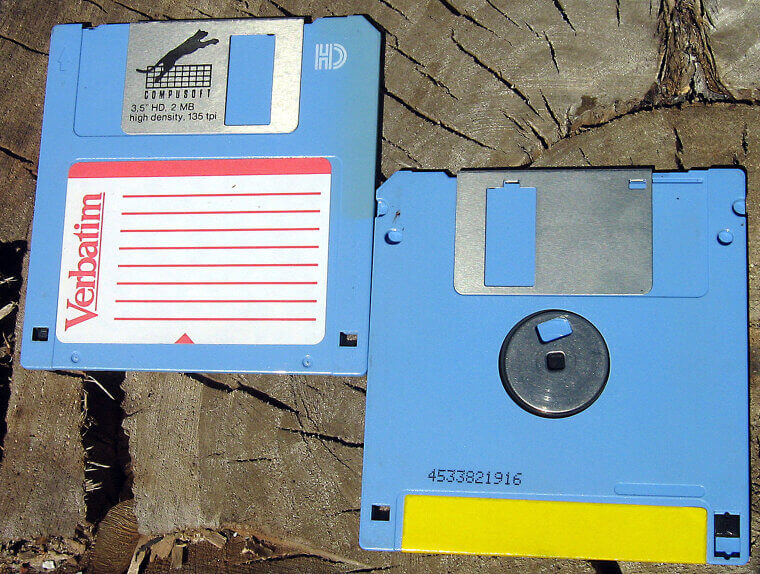
Collectors are increasingly nostalgic for the tactile era of software before everything moved to the cloud, making these "outdated" magnetic disks a high-tech goldmine.
Uranium Glass: The $300 Radioactive Glow
If you spot glassware in a china cabinet that looks like a translucent, sickly neon green or "custard" yellow, do not walk past it. Known as Uranium Glass (or "Vaseline Glass"), these pieces contain trace amounts of uranium dioxide that make them glow a vibrant, supernatural green under a UV blacklight. While common in the early 20th century for everyday plates and juicers, certain patterns like Fenton or Mosser have become high-end trophies.
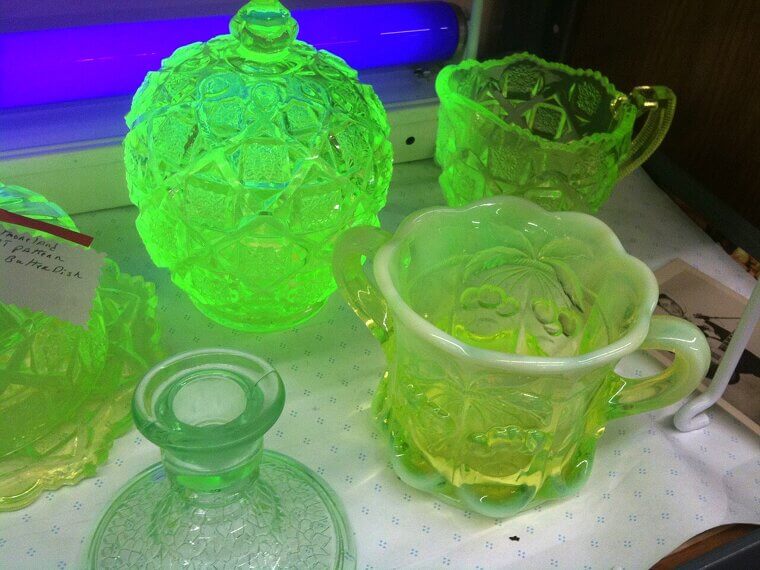
Collectors love the "atomic age" kitsch and the science-fair thrill of the glow. Even chipped pieces are often bought by "slag glass" artists for jewelry making.
Vintage Fabric Remnants and Scraps: The $200 Scrap Bag
Before you donate that pile of "old rags" or unfinished quilts from a sewing room, look closely at the "selvage"—the white edge of the fabric. If you see names like Vera Neumann, Marimekko, or vintage Liberty of London, you are holding liquid cash. Even small scraps of authentic 1960s psychedelic prints or mid-century abstract textiles are highly sought after by high-end quilters and fashion historians looking to restore period pieces.
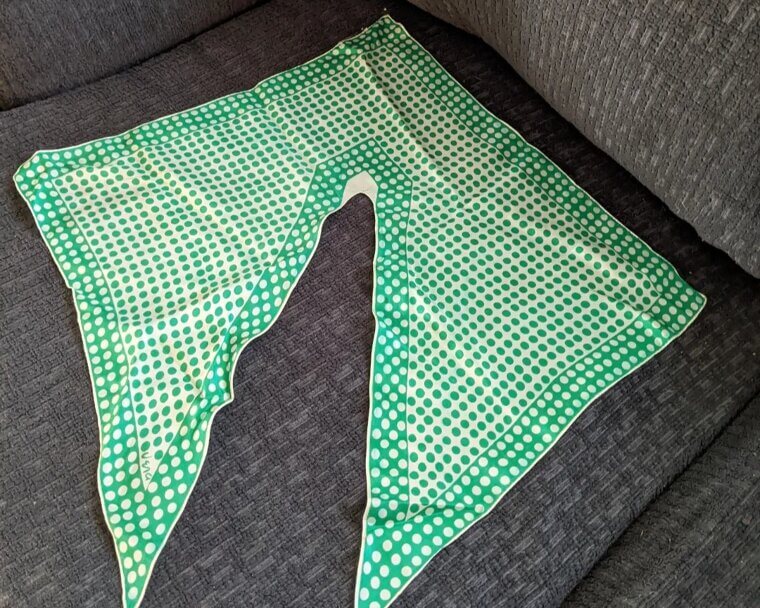
Vintage fabric has a "hand" (the feel of the weave) and dye quality that modern polyester simply cannot replicate, turning a "junk" scrap bag into a designer's treasure chest.
Vintage Travel Ephemera: The $150 Paper Trail
Ephemeral items—objects meant to be used once and thrown away—are ironically the hardest things to find decades later because they were rarely preserved. A 1950s menu from a defunct local diner, a colorful roadside motel brochure, or even a vintage airline ticket jacket from Pan-Am can be worth a surprising amount to "ephemera" collectors. These hobbyists specialize in local history or specific graphic design eras like Art Deco or Mid-Century Modern.
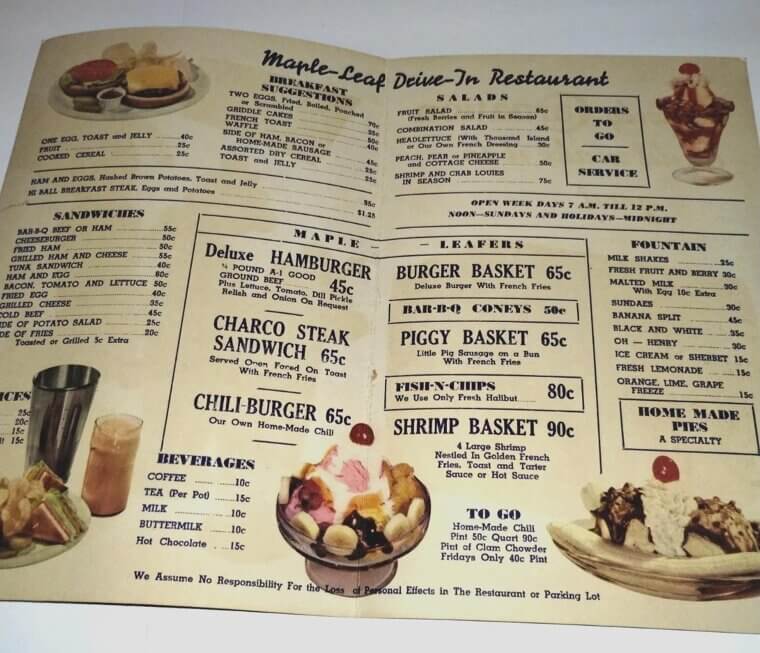
What looks like a faded piece of paper to a liquidator is actually a primary historical document that captures a lost slice of Americana.
Railroad Locks and Skeleton Keys: The $500 Rusty Security
Most people see a rusty, seized-up padlock without a key and toss it directly into the scrap metal pile. However, heavy iron railroad locks, ornate Victorian "logo" padlocks, or "trick" locks with hidden keyholes are prized by "lockies" and industrial historians. Some rare railroad-stamped locks from the late 1800s, like those from the Pennsylvania Railroad or the Wells Fargo line, can easily clear $500 at auction.
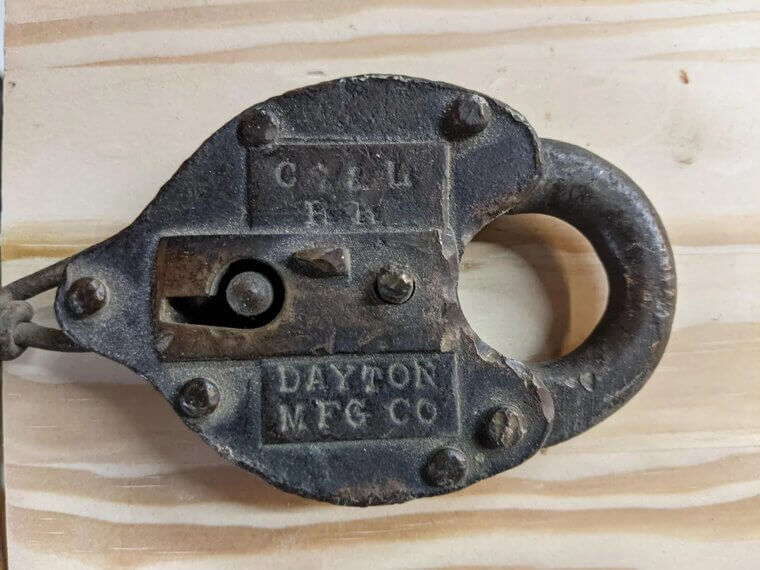
The weight, the mechanical complexity, and the history of the iron make these items far more than just "old hardware"—they are the heavy-duty ancestors of modern security.
Deadstock Laundry Detergent: The $100 Cleaning Closet Icon
It sounds absurd to save trash, but "Deadstock" (old store stock that was never opened or used) household products are a massive niche market. Collectors of Pop Art and Americana hunt for laundry detergent boxes, soap bars, and even cereal boxes from the 1960s and 70s because of their iconic, vibrant packaging design. A pristine, unopened box of 1970s Tide or a tin of vintage Johnson’s Wax is viewed as a piece of sculpture to the right buyer.
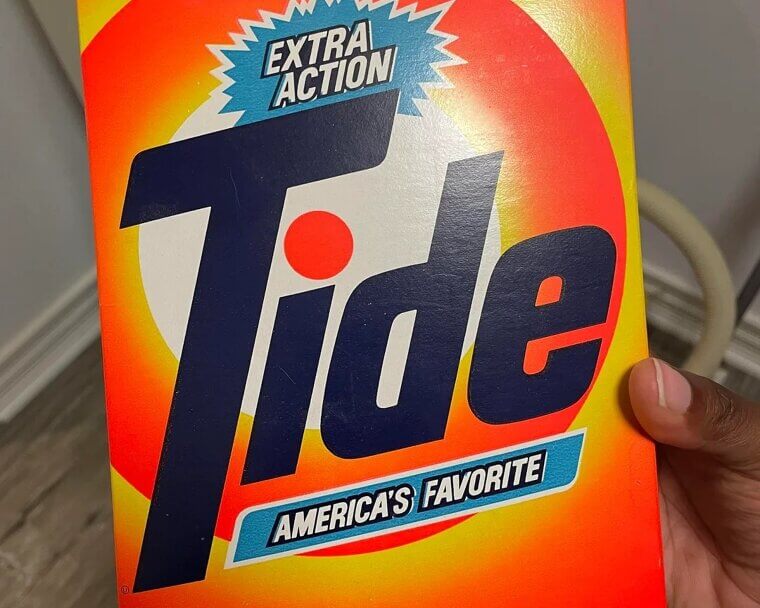
These items were designed to be eye-catching on a grocery shelf, and that visual "pop" makes them perfect for modern retro-decor displays.
Discontinued "User" Hand Tools: The $400 Workshop Sleeper
Don’t ignore the greasy workbench in the back of the shed. While modern plastic-handled tools are cheap, specific vintage brands like Norris, Stanley (specifically the "Sweetheart" era planes), or Starrett are legendary for their superior steel quality. A specific type of woodworking plane or a specialized machinist’s gauge that looks like a rusty hunk of metal could be a $400 tool that a modern craftsman is dying to put back to work.
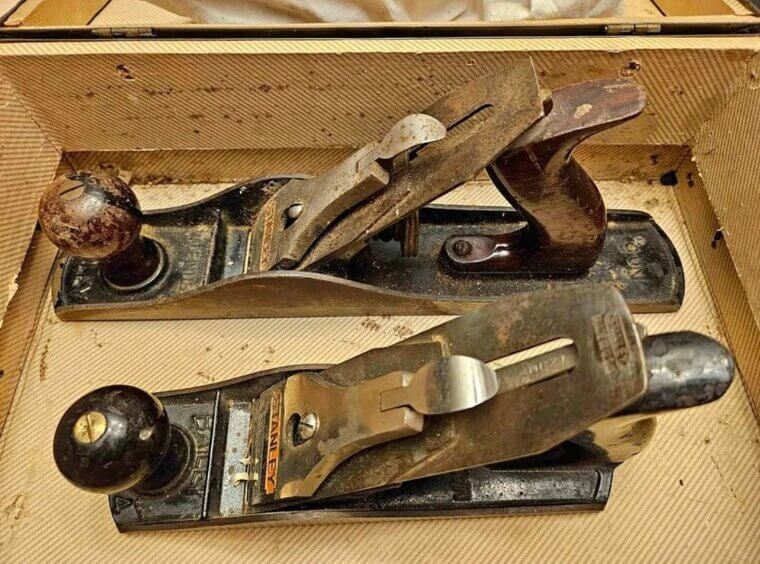
Collectors and "users" alike hunt for these because the weight and balance of pre-WWII tools are often superior to anything sold in a hardware store today.
Signed Commercial Perfume Bottles: The $800 Vanity Treasure
Don't let a dry bottle fool you. While modern spray bottles are plastic-heavy, early 20th-century glass houses like Lalique, Baccarat, or DeVilbiss turned perfume vessels into high art. Collectors look for "stoppers" that aren't chipped and original labels. Even "commercial" bottles from the 1940s or 50s—like those shaped like animals or ornate figures—can be worth hundreds. The value is in the glasswork and the rarity of the silhouette, not the scent.
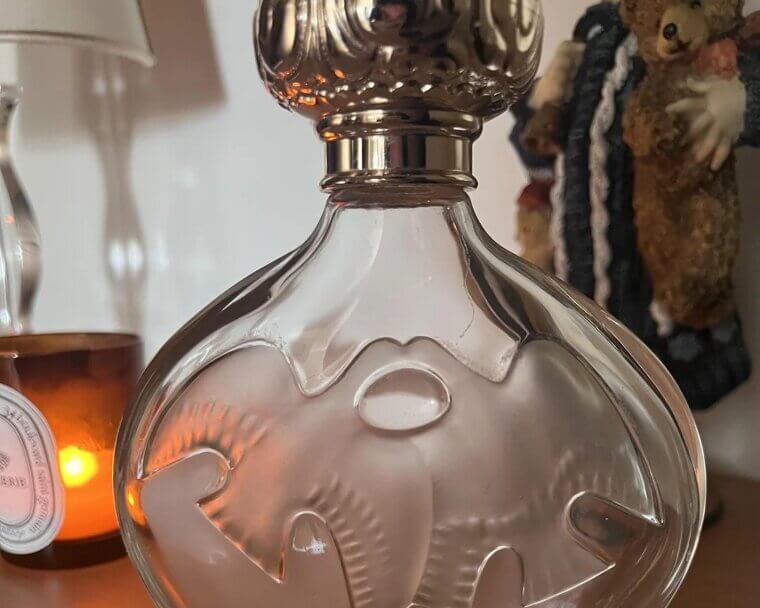
And if the bottle is "sealed" with the original wax, you've hit a four-figure jackpot for the vanity.
Tin Litho Wind-Up Toys: The $600 "Broken" Joy
People often toss old tin toys because they are rusted or the clockwork mechanism is jammed. Huge mistake. Collectors of Japanese Tin Litho or German Lehmann toys often buy "parts" pieces to restore pristine ones. A 1950s robot with a missing battery cover or a scratched-up tin car still holds significant value for its paint patina and internal gears. Before you dump the "broken" toys into the donation bin, check for this:
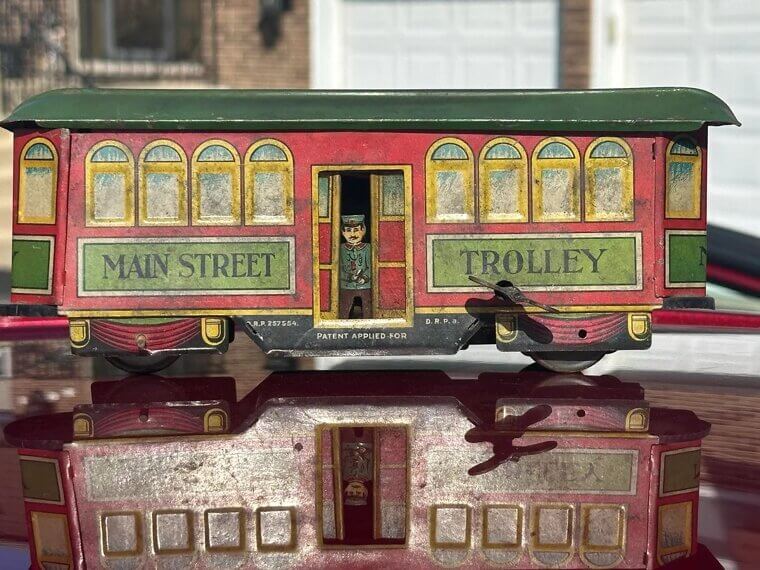
A "Made in Occupied Japan" stamp; that tiny phrase turns a piece of junk into a historical artifact.
Weathered Concrete Garden Statuary: The $350 Lichen-Covered Find
Most estate sale shoppers ignore the backyard, but "crusty" is a keyword for garden collectors. Original mid-century concrete ornaments—especially those by designers like Anthony Redmile or specific folk-art creators—gain value from "lichen and patina." While a shiny new gnome from a big-box store is worth $10, a 1940s heavy concrete fox or a weathered birdbath with an Art Deco pedestal can fetch $300 at a boutique garden shop.
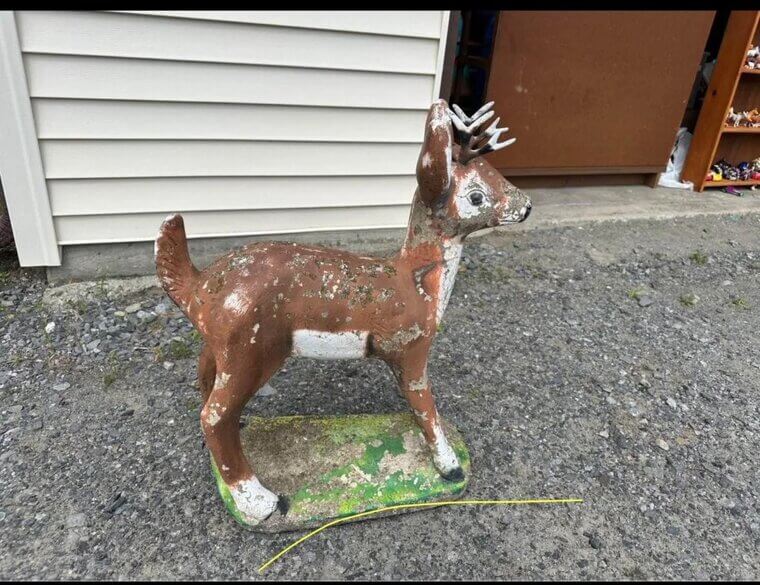
Collectors want the soul that only decades of rain and sun can provide to the stone.
German Kugel Ornaments: The $500 Silvered Glass Wonder
When cleaning out the attic, the box of "old Christmas junk" is often the most valuable thing in the house. Kugels—heavy, thick-glass ornaments from Germany—are the "holy grail" of holiday decor. Unlike modern thin ornaments, these feel like paperweights. Look for shapes like grapes, artichokes, or stars. A single 19th-century silvered-glass kugel in a rare color like amethyst or amber can sell for $500.
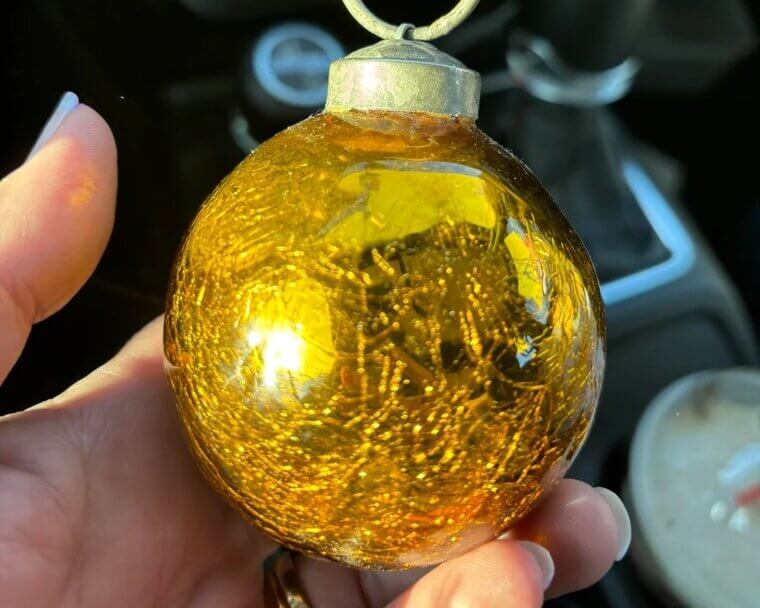
People toss them because they look "tarnished" or "dirty," but that internal silver oxidation is exactly what proves their age and authenticity.
"Gate Marked" Cast Iron Skillets: The $1,200 Kitchen Heavyweight
Everyone knows Lodge cast iron, but true collectors hunt for "Gate Marks"—a raised line on the bottom of the pan from the 1800s casting process. If you find a pan that feels surprisingly light and has a smooth-as-glass interior, it’s likely an early Erie, Griswold, or Wapak. These pans are superior to modern cast iron because they were hand-polished. Even if it's covered in decades of burnt-on grease (the "crust"), it can still contain value.
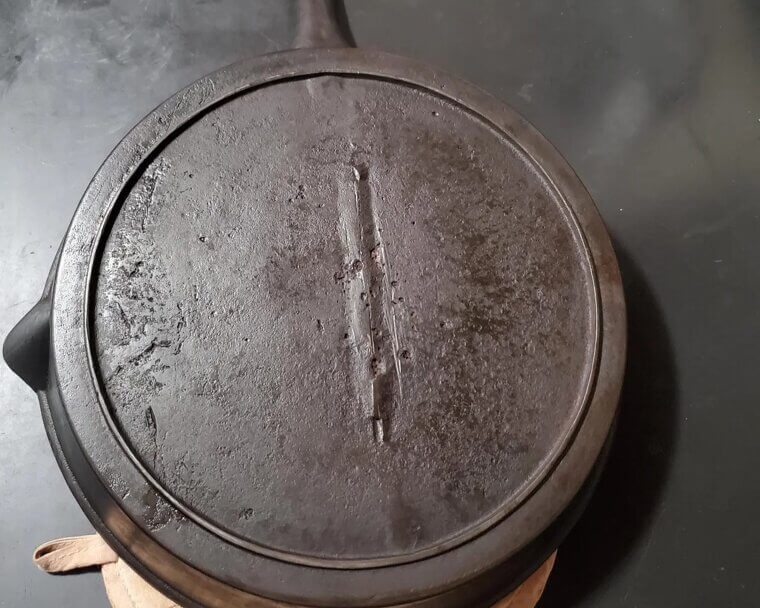
A rare "Spider" logo Griswold skillet can be worth over $1,000. It’s the ultimate "hidden in plain sight" kitchen treasure.
Quack Medical Devices: The $800 Apothecary Oddity
The "scary" looking tools in the back of a bathroom cabinet or a doctor’s old office are gold. This includes "Quack Medicine" devices like Violet Ray machines or boxed sets of glass apothecary bottles with gold-leaf labels. Collectors of the "macabre" and "medical oddities" pay premium prices for early dental tools, blown-glass eyes, or even vintage first-aid kits with original tin packaging. What looks like a terrifying torture device to a layman is actually a prized conversation piece.
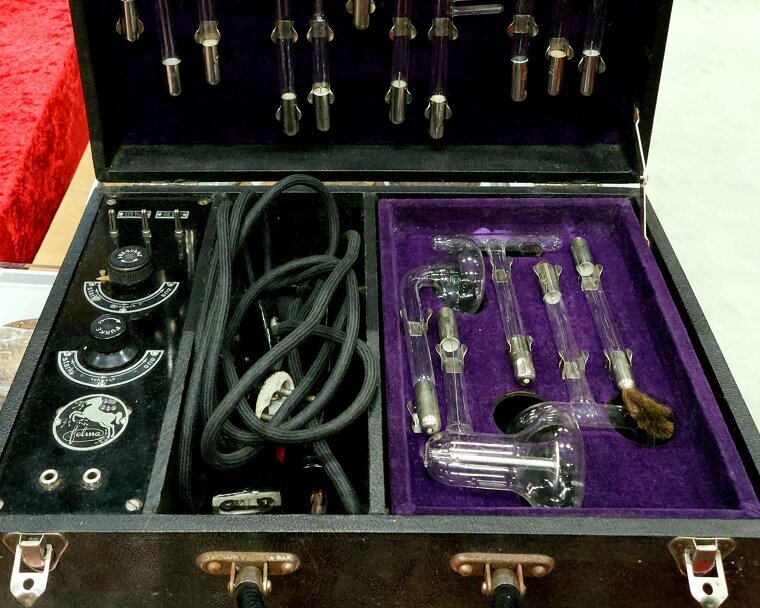
Especially for an oddities collector. These devices are often valued at $200 to $800 depending on the box.
14k Gold Nib Fountain Pens: The $150 Junk Drawer Surprise
In the junk drawer, look past the dried-up Ballpoints. Early 20th-century fountain pens from Montblanc, Parker (especially the '51' model), or Waterman are highly liquid assets. Even "Lead Holders" and mechanical pencils made of celluloid or sterling silver are valuable. Collectors look for the "nib" (the tip) to be 14k gold. A pen that looks like a cheap plastic tube could actually be a rare "Snorkel" filler worth $150.
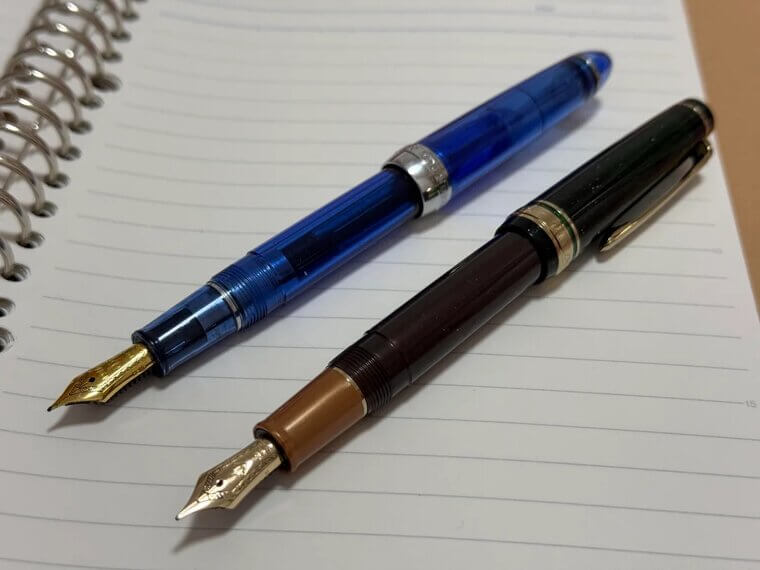
If it has a "Blue Diamond" clip or a "Life-Time" warranty white dot, don't let the estate sale liquidator throw it in the $1 bin.
"Big E" Vintage Denim: The $2,000 Workwear Grail
Before you use that old pair of shredded overalls to wipe up an oil spill, check the tags. "Big E" Levi’s (where the 'E' on the red tab is capitalized), Lee, or Wrangler items from before the 1970s are worth more than the car in the driveway. Vintage workwear is a massive global market, especially in Japan. Look for "selvage" denim (a finished edge inside the leg), "donut" buttons, and hidden rivets.
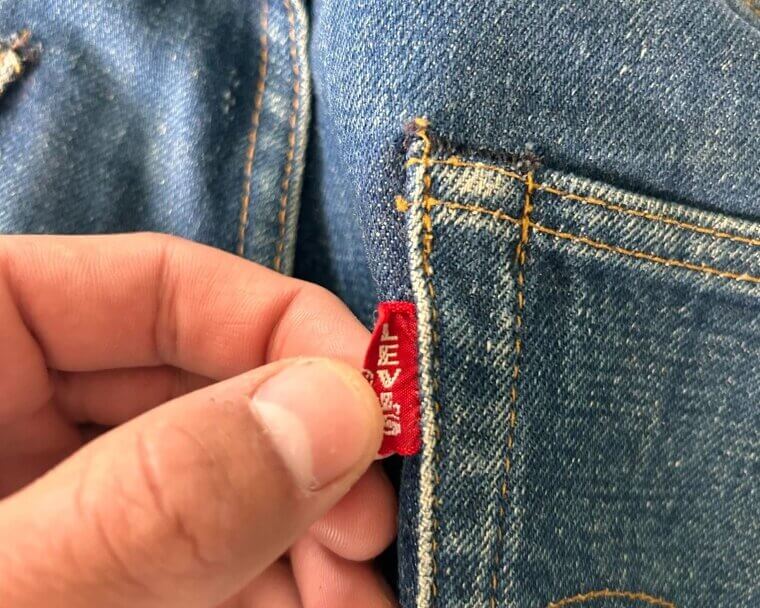
A thrashed, paint-splattered pair of 1950s 501s can easily sell for $2,000 to collectors who value the "authentic wear" over brand-new fabric.
19th-Century City Directories: The $300 Local History Gold
Forget the dusty Bibles and old encyclopedias; look for the "Phone Books" of the 1800s. City Directories listed every resident, their occupation, and their address. They were printed on cheap paper and usually thrown away when the next year's edition arrived. Because they are so rare, genealogists and local historians pay heavily for them. A 1870s directory for a small mining town or a growing metropolis like Chicago can be worth $300+.
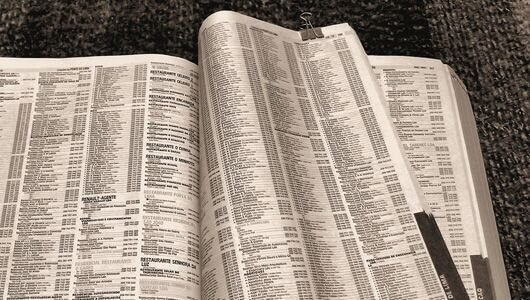
They aren't "pretty" to look at, but they are data-rich "goldmines" for people tracing their family's American journey.
Carved Bakelite Bangles: The $1,000 Plastic Fortune
Many people see "plastic" jewelry and assume it’s 99-cent bin fodder. However, Bakelite—the world’s first synthetic plastic—has a cult following. It feels heavier than modern plastic, has a distinct "clack" sound when two pieces hit, and gives off a chemical smell when rubbed. A simple-looking "polka dot" or "carved" bangle can sell for $200, while rare colors like "Maize" or "End-of-Day" swirls can hit $1,000.
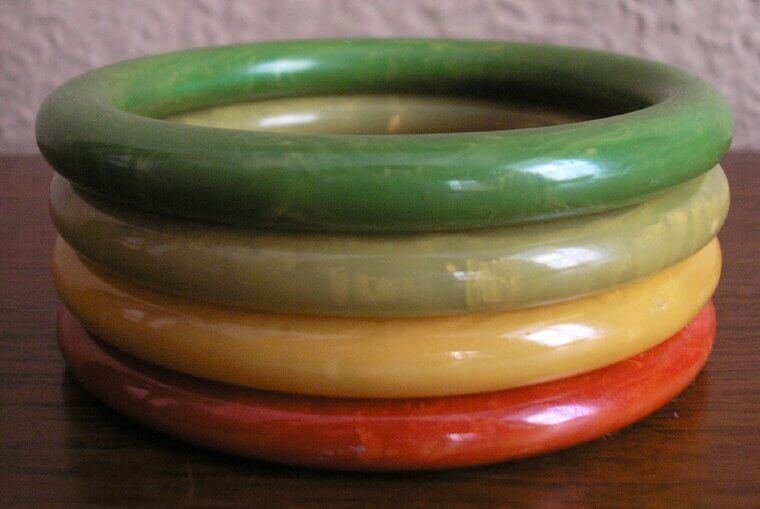
It’s the ultimate "flea market flip" because it looks so unassuming to the untrained eye, often appearing as just "old chunky plastic."
Vintage Gas Station Maps: The $100 Roadside Art
Before GPS, every gas station handed these out for free. Because they were free, almost everyone threw them away or used them to light fires. Today, maps from the 1920s through the 1950s—especially those with colorful "litho" covers featuring art deco cars or scenic landscapes—are highly collectible. Maps from defunct brands like TWA, Pan-Am, or regional gas companies like Humble or Sinclair (with the dinosaur!) are favorites.
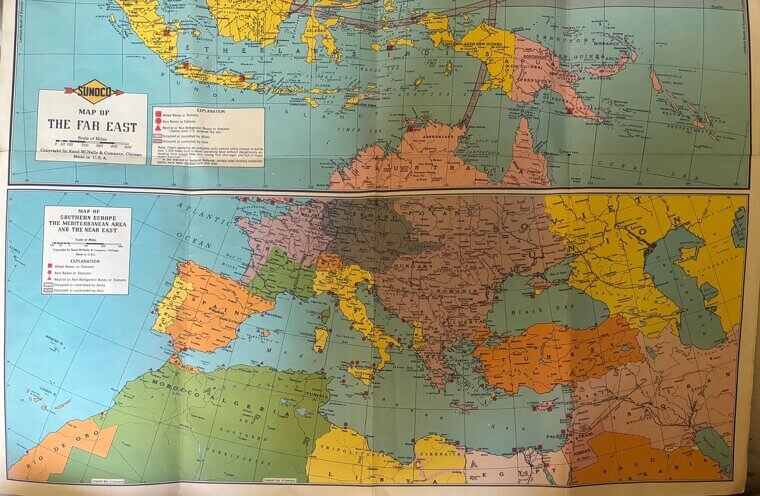
They are framed as art or kept by "road trip" enthusiasts, with rare regional versions fetching $50 to $100 each.
Glass-Eyed Wooden Lures: The $400 Tackle Box Legend
Modern lures are plastic and disposable; vintage lures were works of art. Look for wooden lures with glass eyes made by companies like Heddon, Pflueger, or Creek Chub. Even if the paint is "crazed" (covered in tiny cracks), a "Moonlight Floating Bait" or a "Giant Pike" lure can be worth hundreds. Collectors look for "tackle box wear" which proves the item was actually used.

If you find the original cardboard box the lure came in, the value often doubles. It’s a literal "fishing for gold" scenario in the dusty corner of a garage.
Stenciled WWII Militaria: The $1,500 Attic Soldier
Don't dismiss the smelly green bags in the basement. World War II and Korean War era gear—especially items with stenciled names, "theater made" patches (made locally in the war zone), or specialized flight suits—are booming. Even simple items like "Sweetheart Jewelry" (pins soldiers sent home to wives) or trench art (vases made from shell casings) have a massive market. Collectors value the "provenance" or the story of the soldier.
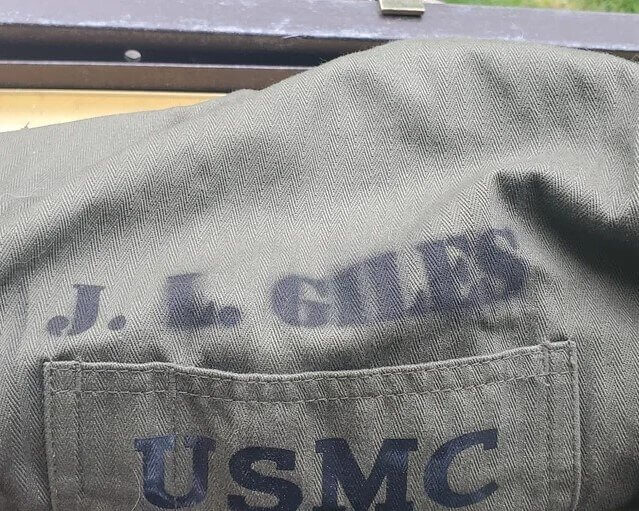
A standard-issue paratrooper jacket with the right unit patch can be a $1,500 find at a sleepy neighborhood sale.
Character Metal Lunchboxes: The $500 Playground Classic
The transition from metal lunchboxes to plastic in the 1980s created a fixed supply of the "good stuff." Collectors hunt for 1960s metal boxes featuring TV shows like The Jetsons, Star Trek, or The Beatles. The "Holy Grail" is the 1954 Superman lunchbox, but even common ones in "Grade 8" condition (minimal scratches) are valuable. Check the inside for the matching glass-lined thermos.
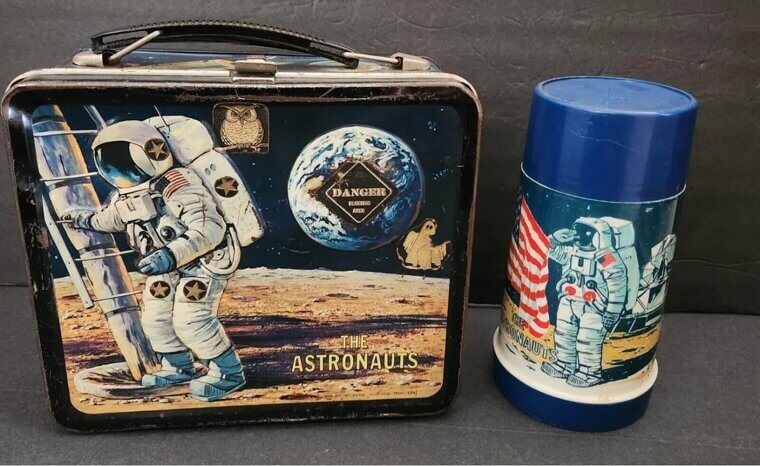
If the set is complete and the handle isn't cracked, you’re looking at a $200 to $500 centerpiece for a nostalgia-fueled collection.
Singer Featherweight 221: The $800 Sewing Sensation
Most old sewing machines are heavy, cast-iron anchors that are hard to sell. But if you see a tiny, black, portable machine in a small black case, you’ve found a Singer Featherweight. These machines were produced from the 1930s to the 1960s and are still beloved by quilters today because they sew a perfect straight stitch and are light enough to carry to "sew-ins." A clean 221 model with its attachments can easily bring $400 to $800.
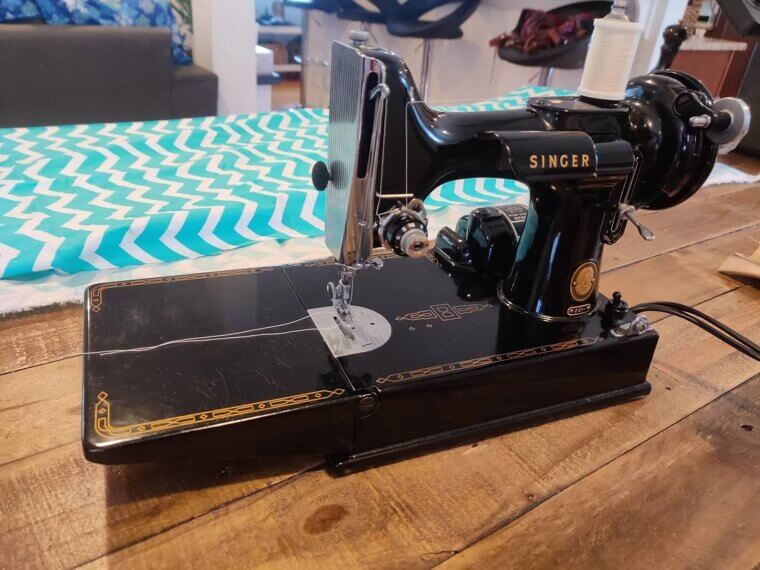
They are the "sports cars" of the sewing world: compact, reliable, and eternally stylish.
Niche "Long-Box" Board Games: The $200 Tabletop Trophy
Standard Monopoly isn't worth much, but "Long Box" versions from the 1930s or niche games from the 1960s like Mouse Trap (with all pieces!) or Fortune Teller games are gold. Collectors also look for "Designer Games" from the 70s or early RPG supplements like original Dungeons & Dragons booklets. The key is "completeness." If the "chits," cards, and board are all there, an unassuming box from a 1970s toy store could be worth $200.
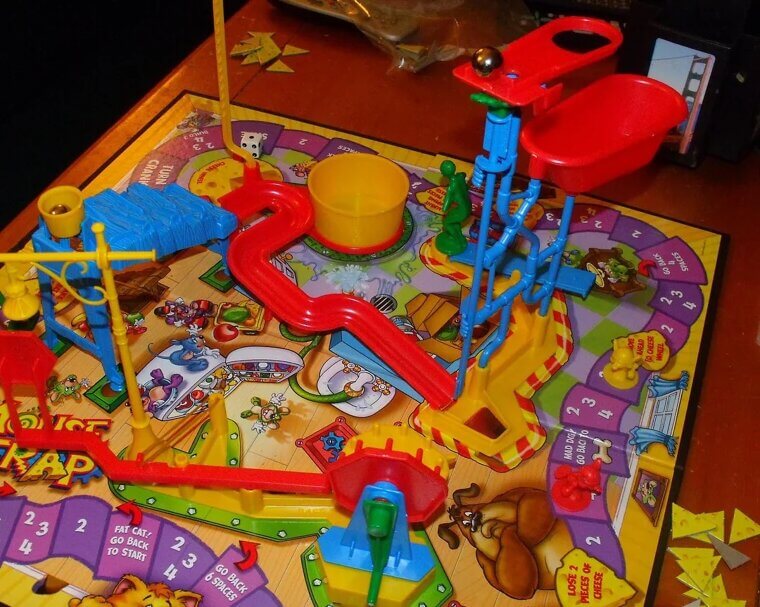
People toss them because the boxes are taped up, but the "insides" are what matter.
Schott Perfecto Leather Jackets: The $500 Biker Icon
A heavy, "beaten up" leather jacket is often viewed as a donation item. But if the zipper says TALON or CROWN and the label says Schott Perfecto, you’ve found the jacket made famous by Marlon Brando. High-quality vintage leather develops a "grain" that modern jackets can't replicate. Biker jackets from the 40s and 50s, or A-2 flight jackets with hand-painted "nose art" on the back, are elite collectibles.
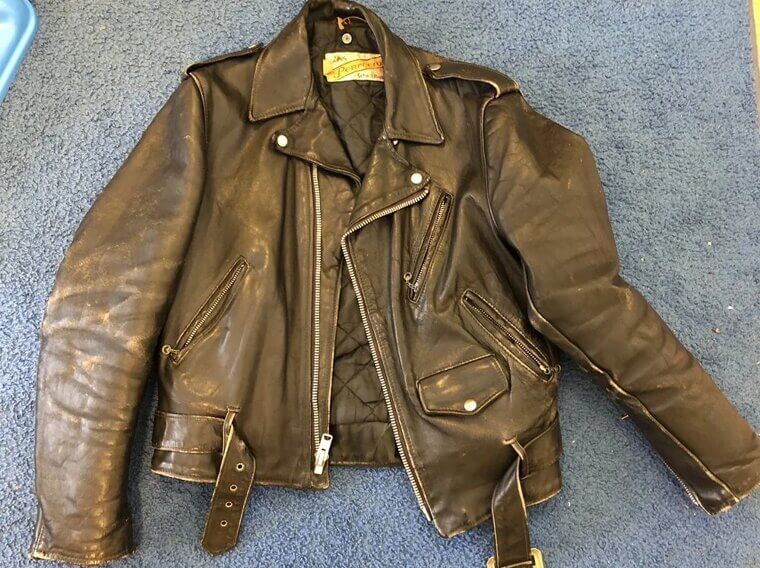
Even a "cracked" leather jacket can be worth $500 to a collector who wants to professionally restore it.
Screen-Printed Souvenir Tablecloths: The $150 Kitschy Kitchen
Post-war America was obsessed with the "Road Trip." Souvenir tablecloths featuring maps of Florida, California, or Texas—usually in bright, "atomic" screen-printed colors—are now high-end kitchen decor. Collectors look for Vera (signed with a ladybug) or vibrant "Fruit" patterns. Because these were used on dining tables, they were usually stained and tossed. Finding a "deadstock" one that was tucked away in a drawer for 70 years is a major win.
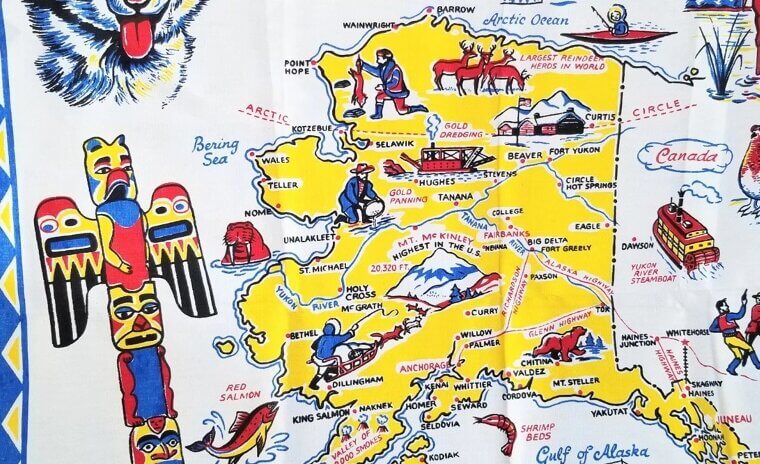
These "kitschy" items are now staples of the "Grandmillennial" design trend, fetching $75 to $150 each.
Rare 45rpm Picture Sleeves: The $200 Vinyl Wrapper
While many people hunt for rare vinyl, the real money is often in the "Picture Sleeves" for 45rpm records. A common 45 might be worth $1, but if it has its original paper sleeve with a photo of Elvis, The Beatles, or a 1950s doo-wop group, the value can jump to $200. Collectors look for "un-split" edges and no writing on the cover. Additionally, look for "Promotional" copies with white labels.
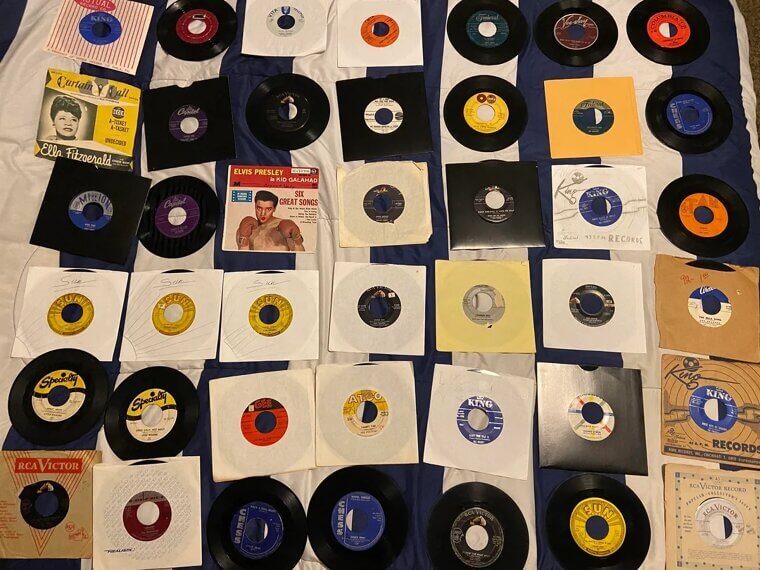
These were sent to DJs and are much rarer than the versions sold to the public.
Eames Aluminum Group Chairs: The $400 Office Legend
People often see a "gray office chair" and think "thrift store." But if you look at the base and see the Herman Miller logo, you’ve found a design icon. The Eames Aluminum Group or Aeron chairs are highly valuable. Even a beat-up, "vintage" 1970s Eames task chair with torn upholstery can be worth $400 because the frames are indestructible and can be refurbished. Modern offices pay thousands for these new.
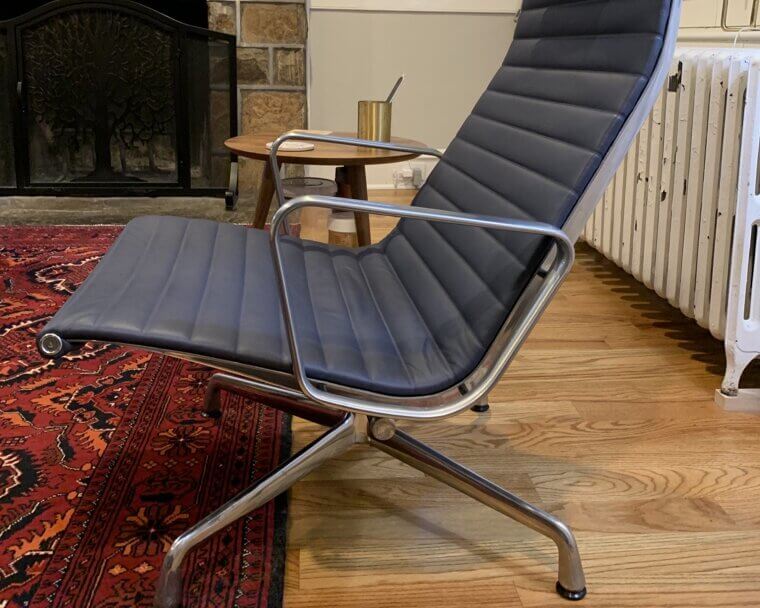
Savvy estate hunters get them for $20 because the seller thought it was just "old office furniture."
High-End Film Point-And-Shoots: The $1,500 Shutter Surprise
Digital killed film, but "Gen Z" is bringing it back. While big "SLR" cameras are common, the real money is in high-end "Point and Shoots" from the 90s like the Contax T2, Yashica T4, or Olympus Mju II. These look like cheap plastic "soap bar" cameras, but because of their incredible lenses and "cult" status among celebrities, they now sell for $500 to $1,500. People routinely put these in $5 bins at estate sales.
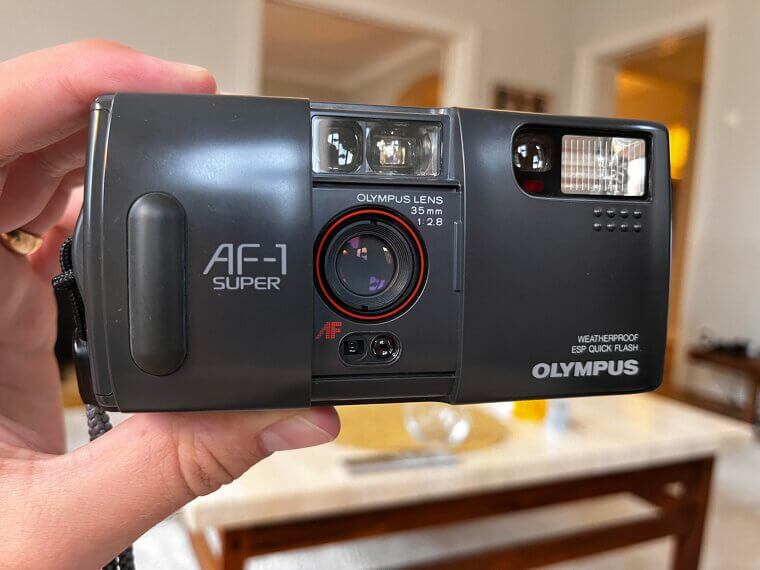
Because they look like disposable "mom and dad" vacation cameras from thirty years ago - but they are worth way more than that.
Hand-Knotted Tribal Rugs: The $1,000 Dusty Carpet
Don't let the dog hair and dust fool you. A hand-knotted Persian rug with "vegetable dyes" actually gains value as it ages, even with some "low pile" wear. Collectors look for "Abrash"—natural color variations in the wool—and intricate tribal motifs like those from the Heriz or Sarouk regions. A "small" hearth rug that looks like a dirty rag can be a $1,000 antique. The giveaway? Flip it over.
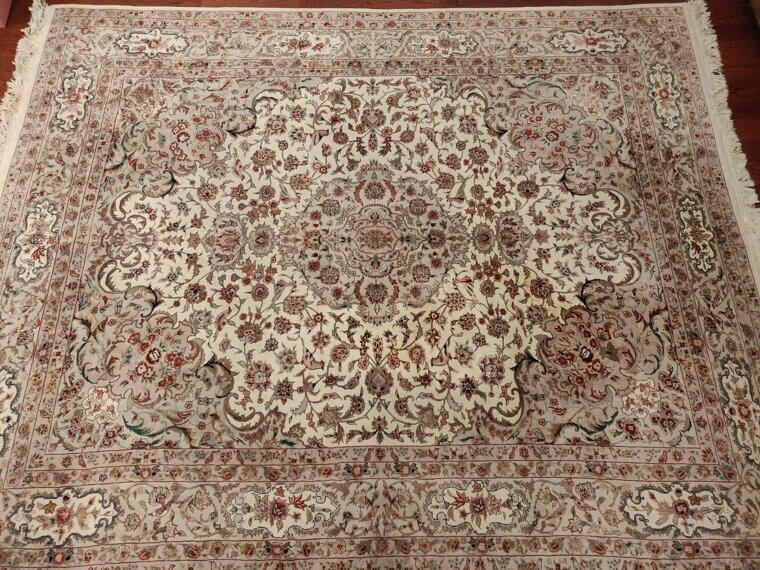
If the pattern is as clear on the back as it is on the front, it's hand-knotted and valuable.
Mid-Century Paint by Numbers: The $150 Kitschy Canvas
An unfinished or amateurish painting of a deer or a landscape might seem like garage sale fodder. However, there is a massive market for mid-century Paint by Number (PBN) pieces. Collectors look for specific themes: "Atomic" landscapes, exotic animals, or kitschy Parisian street scenes. If the painting is framed in its original 1950s wood frame, it’s a "pop art" statement piece.
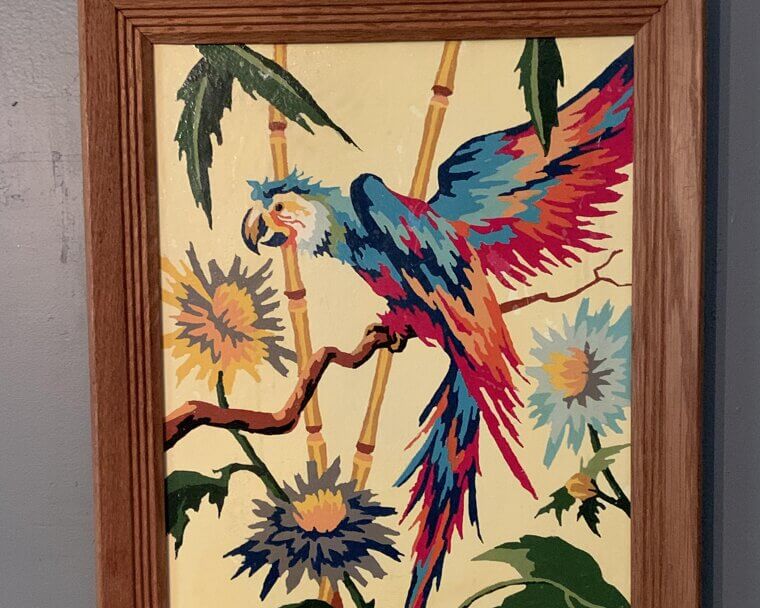
A well-executed PBN "Matador" or "Ballerina" can sell for $150. It’s the ultimate "outsider art" that everyone’s aunt had in her basement.
Hamm’s Beer Motion Signs: The $3,000 Brewery Grail
Old neon signs are obvious, but the real "gold" is in Motion Signs—those 1950s beer displays where the water appears to fall or a campfire appears to flicker using a rotating inner cylinder. Brands like Hamm’s (the "Scenic" motion signs) are the crown jewels of "Breweriana." Even if the motor is noisy or the plastic is "yellowed," these can fetch $1,000 to $3,000. People often leave them behind because they "don't work."

But a simple motor replacement makes them the centerpiece of a high-end man cave.
Steiff "Button-In-Ear" Plush: The $5,000 Ratty Teddy
A "ratty" old teddy bear might be a $5,000 antique. The key is the small metal button in the left ear. Steiff (a German company) is the gold standard for plush. Even if the mohair is "balding" and the "growler" inside doesn't work, a pre-WWII Steiff bear or a rare animal like a "Skunk" or "Zebra" is a major find. Collectors look for the "silver button" and the yellow or white tag.
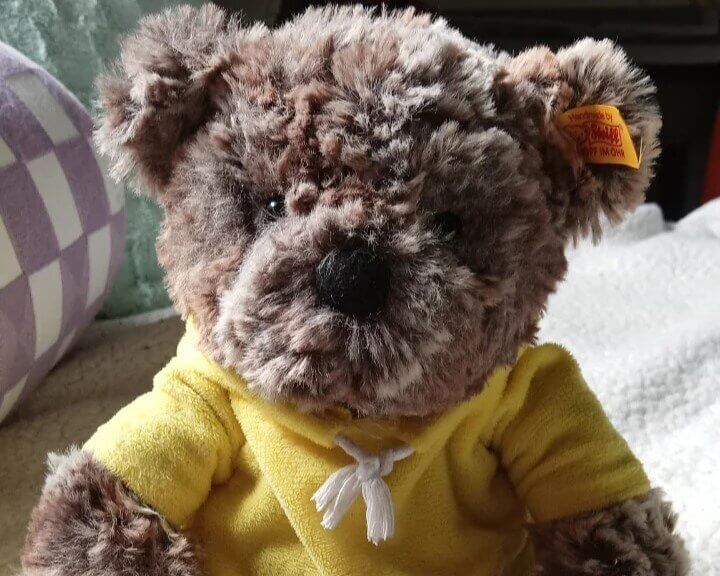
Without the tag, look for the hand-stitched nose and "excelsior" (wood shavings) stuffing—the signs of a true heirloom.
Rare Pattern Pyrex: The $4,000 Casserole Jackpot
Your "everyday" mixing bowls could be the star of the sale. While solid colors are common, "Promotional" patterns like "Lucky in Love" (hearts and shamrocks) or "Pink Daisy" are worth a fortune. A single "Lucky in Love" casserole dish famously sold for over $4,000. Look for "D-handle" measuring cups or "primary color" sets from the 1940s. The "opal" glass should be shiny, not "dishwasher damaged" (dull).
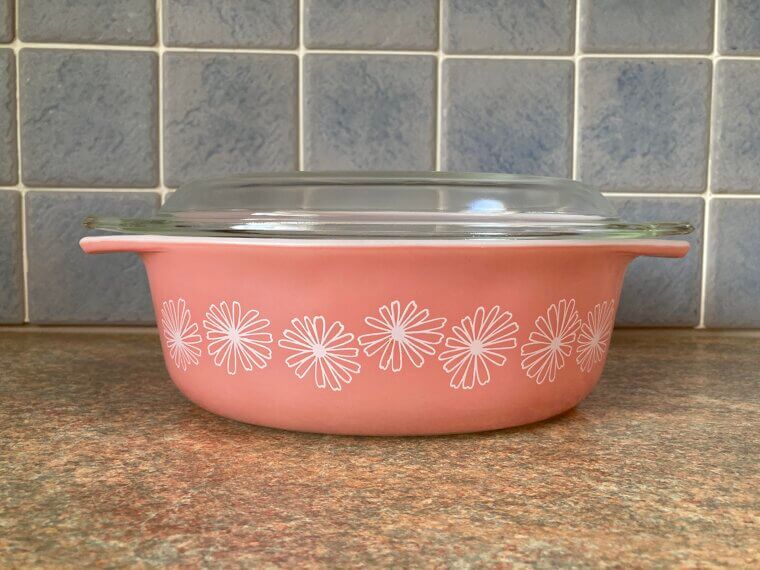
If it’s bright, heavy, and has a weird 1960s floral print, it’s probably worth ten times its weight in gold.
Porcelain Enamel Flange Signs: The $500 Metal Billboard
A piece of "bent metal" hanging off a garage wall could be a "flange sign" (a double-sided sign that sticks out). Before plastic, companies used "porcelain enamel"—glass fused to metal—to make signs that wouldn't rust. Collectors love the "shelly" feel of the paint. Signs for Coca-Cola, Gasoline brands, or even "No Trespassing" signs from specific railroads are highly liquid assets.
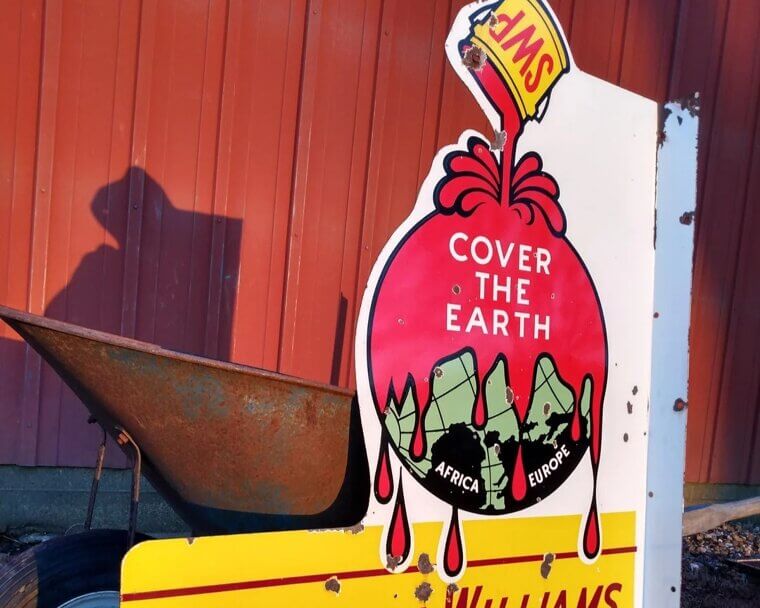
Even with "bullet holes" or "shelled" edges, a 1930s porcelain sign can bring $500. It’s the "industrial" look that designers and "pickers" crave.
"Pulp Fiction" Paperbacks: The $150 Sensationalist Cover
Before you donate that stack of "trashy" novels, look at the covers. 1950s "Pulp Fiction" paperbacks—detective stories, sci-fi, or "noir" thrillers—are prized for their sensationalist cover art. Look for publishers like Ace, Dell (the "Map Backs"), or Lion Books. Additionally, "First Edition" paperbacks of classics like The Catcher in the Rye or early Stephen King (writing as Richard Bachman) are worth hundreds.

It’s the "vibrant, slightly scandalous" cover art that makes these "disposable" books a permanent fixture in the collector's market.