
A Victorian Masterpiece of Sentiment: The Bleeding Heart
Grandmothers in the early 1900s absolutely adored the Bleeding Heart for its distinctive, heart-shaped blossoms that dangle gracefully from arching stems. It is trending again today because of the "maximalist" garden movement, where homeowners crave dramatic, unique shapes rather than cookie-cutter landscaping. These perennials thrive in partial shade, making them perfect for those quiet, wooded corners of your yard. Reportedly, they were once a staple in "secret gardens" because of their romantic, whimsical appearance.
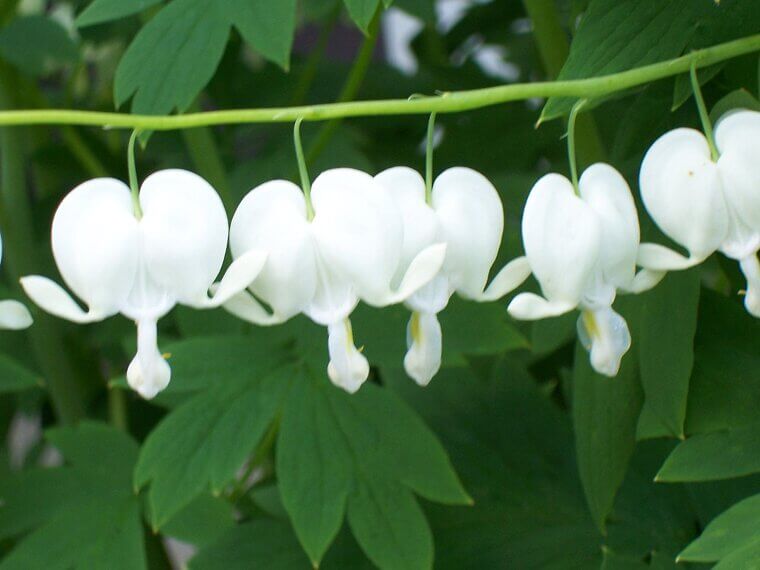
Modern gardeners love that they are deer-resistant and relatively low-maintenance, requiring only consistent moisture and cool soil to produce their iconic pink and white "bleeding" petals every spring.
The Fragrant Climbing Queen of the 1920s: Sweet Peas
Few scents are as evocative of a vintage summer as the Sweet Pea. These climbing annuals were the darlings of the 1920s cottage garden, prized for their ruffled petals and intense, honeyed perfume. They are seeing a resurgence now because of the booming "slow flower" movement, where people prefer growing their own bouquets over buying store-bought ones. To grow them successfully, you’ll need to provide a sturdy trellis and plenty of sun.
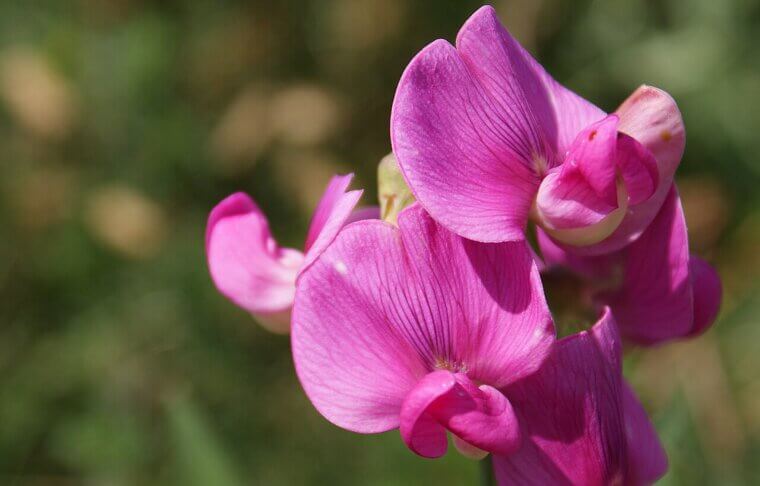
Allegedly, Grandma knew that the more you pick these flowers, the more they bloom, which is exactly why they remain a favorite for those who love keeping fresh vases of color indoors.
The Stately Skyscrapers of the Fence Line: Hollyhocks
If you lived in a rural area during the mid-century, you likely saw Hollyhocks standing guard against every barn and fence. These towering stalks can reach heights of eight feet, covered in massive, cup-shaped blooms that pollinators love. They are trending again in 2026 as "living privacy screens" for smaller suburban lots. While they are technically biennials, they self-seed so effectively that they often behave like perennials. Gardeners today appreciate their ruggedness and ability to thrive in poor soil.
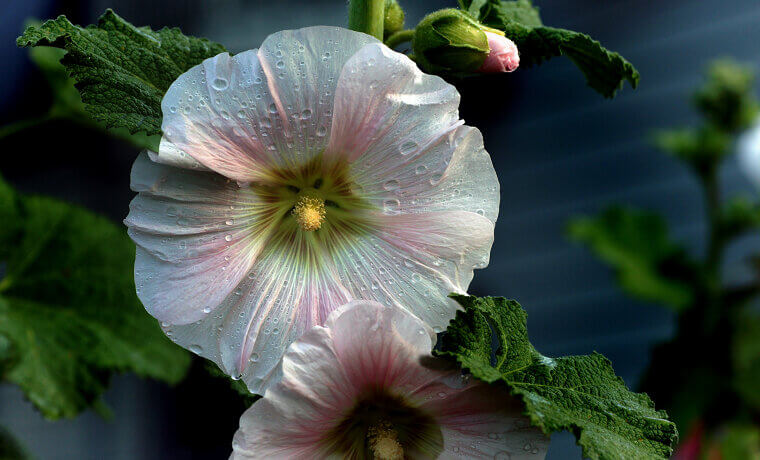
Reportedly, the "double" varieties, which look like fluffy pom-poms, are the most sought-after seeds this year for their nostalgic charm.
The 100-Year-Old Heirloom That Never Quits: Peonies
Peonies are the ultimate heritage flower because a single plant can live for over a century, often outliving the gardener who planted it. They were a status symbol in Grandma’s day, representing prosperity and honor. Today, they are the "must-have" flower for 2026 because they fit perfectly into the "jewel-tone" garden trend. Their massive, fragrant heads in deep crimson, blush pink, and cream are unmatched for elegance.
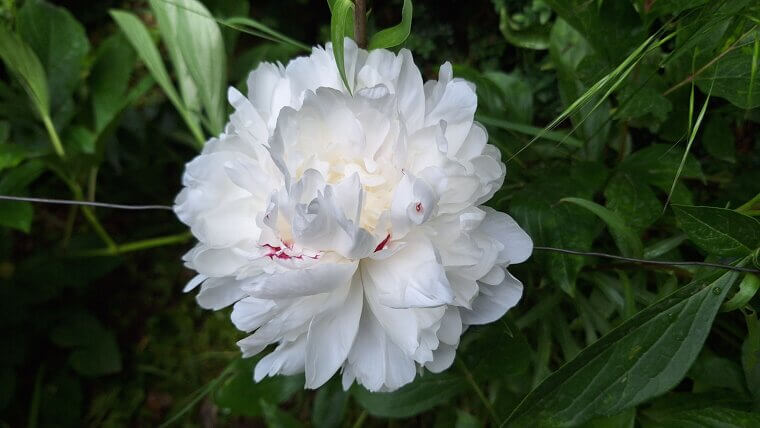
They require very little once established, though they do appreciate a bit of support so their heavy heads don't droop. Allegedly, some of the best varieties grown today are descendants of 19th-century French cultivars.
The Playful Bloom That Sparked Childhood Joy: Snapdragons
Almost every child of the 50s remembers squeezing the sides of a Snapdragon to make the "dragon" mouth pop open. These hardy annuals were a staple because they bloom in the cooler parts of the year when other flowers fade. They are trending again because they are incredibly easy to grow from seed, appealing to the new wave of "budget-friendly" gardening. Available in every color of the rainbow, they add vertical interest to garden beds.
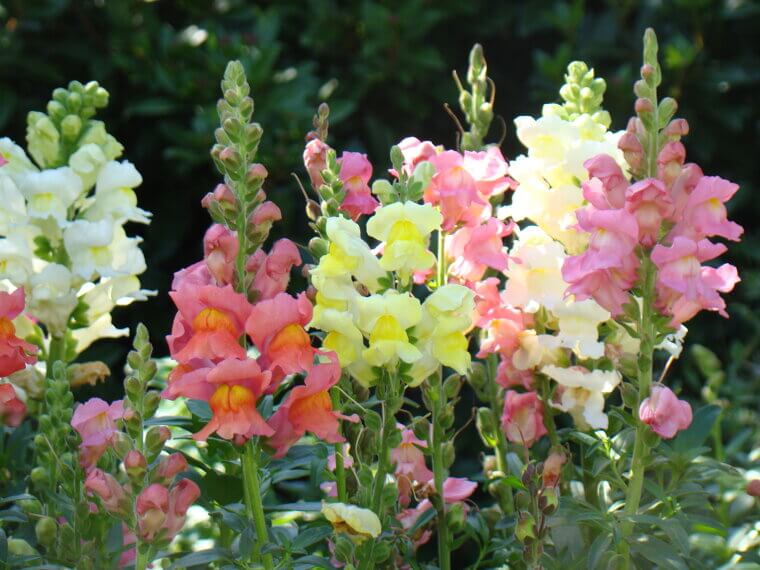
Modern varieties are reportedly bred for even stronger stems, making them a top choice for home-grown floral arrangements that last for over a week in water.
The Mysterious Evening Scent of the Porch: Four O'Clocks
Four O'Clocks earned their name because they famously open their trumpet-shaped flowers in the late afternoon, just as the day begins to cool. Grandmothers loved planting them near porches or windows so the sweet, lemony fragrance would waft inside during the evening. They are trending again as "pollinator magnets" for night-flying moths and hummingbirds. These plants form large, tuberous roots and are incredibly drought-tolerant, making them a "climate-smart" choice for 2026.
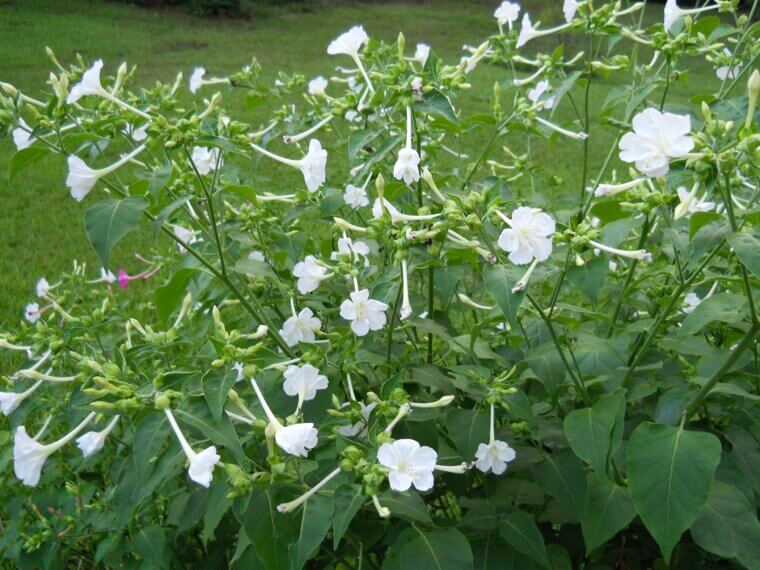
Allegedly, they were one of Thomas Jefferson's favorite flowers, and their ability to produce multiple colors on a single plant continues to fascinate modern hobbyists.
The Edible Heirloom With a Peppery Kick: Nasturtiums
Nasturtiums were the original "multi-taskers" of the vegetable garden. Grandmothers used them to repel pests from their tomatoes while also tossing the peppery petals into summer salads. They are trending today because of the "grow what you eat" movement that has taken over backyard gardening. These annuals thrive on neglect—in fact, if the soil is too rich, you get more leaves than flowers! Their vibrant oranges, yellows, and reds provide a bold pop of color.
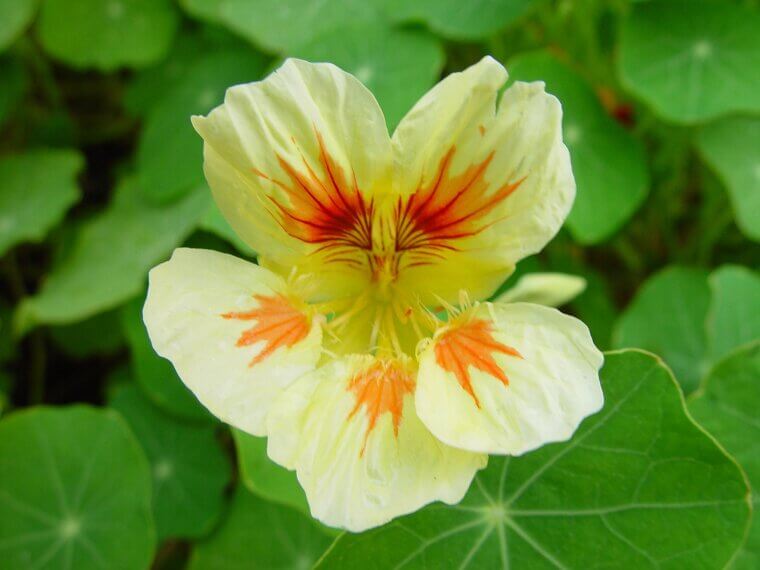
Reportedly, the "Alaska" variegated variety is particularly popular right now for its beautiful marbled foliage that looks stunning even when not in bloom.
The Show-Stoppers of the Late Summer Border: Dahlias
In the 1930s and 40s, Dahlias were the undisputed kings of the garden, with dinner-plate-sized blooms that defied belief. They are trending again in 2026 because social media has turned them into "floral celebrities." Gardeners love the challenge of lifting the tubers in the winter and replanting them in the spring for a reward of complex, geometric petals. From the tiny "pom-poms" to the massive "cactus" types, there is a variety for every style.
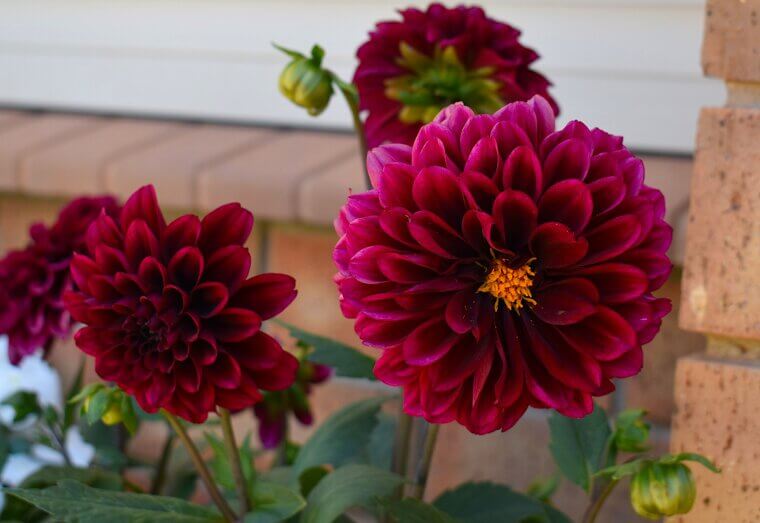
Allegedly, some vintage varieties have been rediscovered in old homesteads, fueling a massive market for rare heirloom tubers among collectors and hobbyists alike.
The Changing Colors of the Family Yard: Hydrangeas
No heritage garden was complete without a "mophead" Hydrangea tucked under a shade tree. Grandmothers loved the way these shrubs could turn from pink to blue depending on the acidity of the soil. They are trending again because modern breeding has created "re-blooming" varieties that flower all summer long, rather than just once. They are the backbone of the "maximalist" garden, providing massive amounts of foliage and flower power with very little effort.
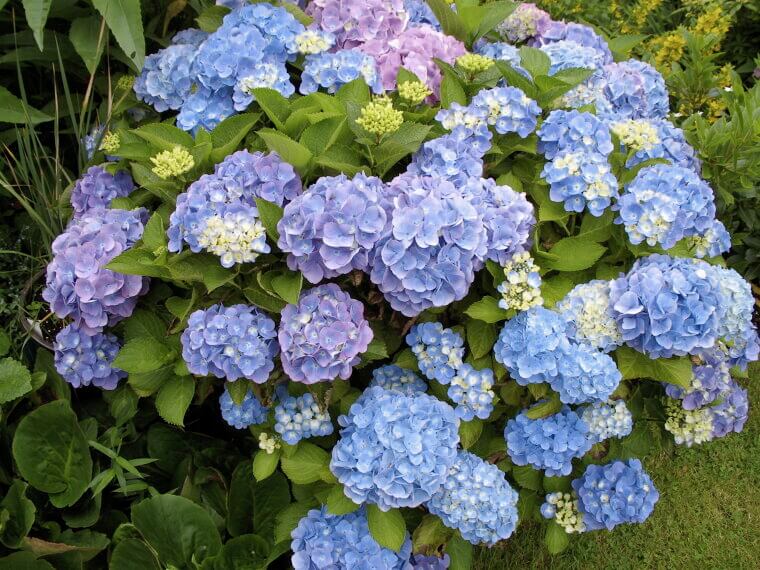
Reportedly, the dried flower heads were often used in Grandma’s winter decor, a practice that is seeing a major revival in sustainable home styling.
The "Face" of the Early Spring Garden: Pansies
Grandma often called Pansies "heartsease," and she loved them for their "faces" that seemed to smile up from the dirt. These are some of the toughest little flowers in existence, often surviving a light dusting of snow. They are trending again because they are the perfect "entry-level" flower for container gardening. In 2026, the demand for black and deep purple "jewel-toned" pansies has skyrocketed. They are also edible, making them a favorite for decorating cakes and appetizers.
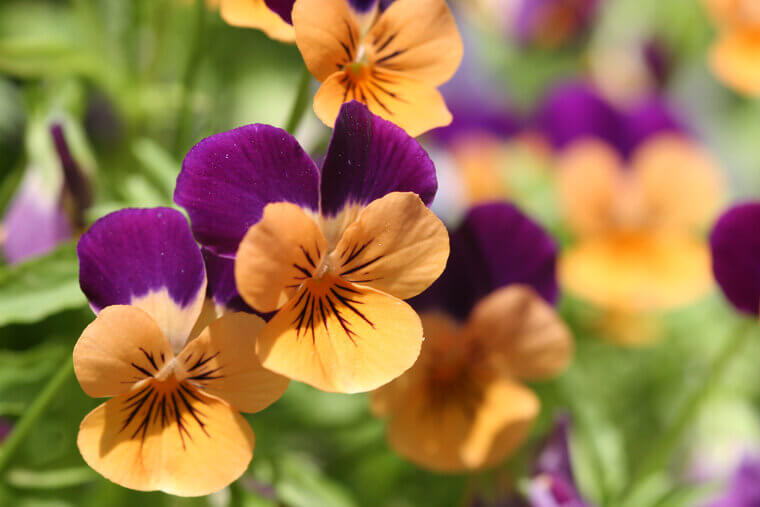
Allegedly, the wild versions of these flowers have been used in traditional folk remedies for centuries, adding to their mystical heritage.
The Low-Maintenance Color Bombs: Zinnias
Zinnias were the workhorses of the mid-century cutting garden because they could handle the blistering heat of August without wilting. They are trending again as part of the "climate-smart" gardening movement, as they require very little water once they are established. They come in an incredible array of shapes, including "beehive" and "dahlia-flowered" forms. Grandmothers knew that the more you cut them, the more they grew, and that holds true today.
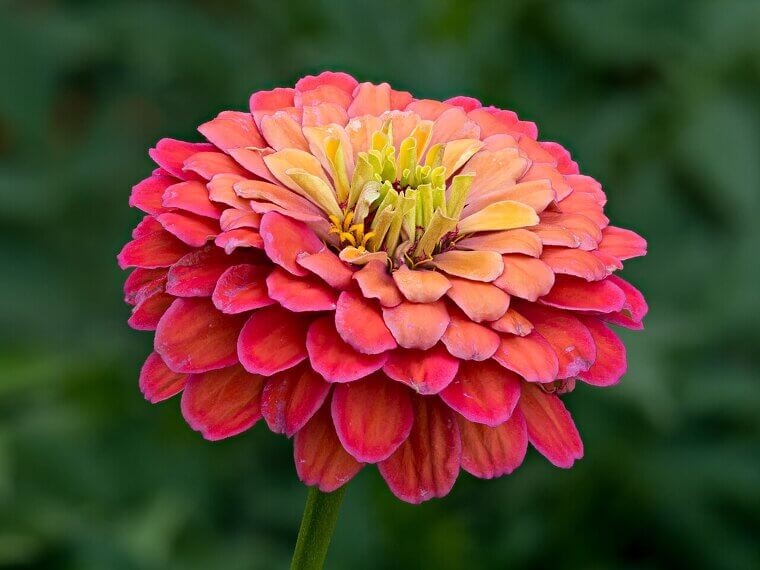
Reportedly, butterflies prefer the flat-faced varieties, making them an essential addition to any modern conservation-focused yard looking to support local insect populations.
The Elegant Blue Spires of the Estate: Delphiniums
Delphiniums were the "stars" of the formal perennial border, offering a true blue color that is rare in the plant world. Grandmothers prized them for their height and the way they added a sense of drama to the back of the garden. They are trending again in 2026 as gardeners move away from "flat" landscapes and toward layered, vertical designs. They can be a bit finicky—preferring cool summers and rich soil.
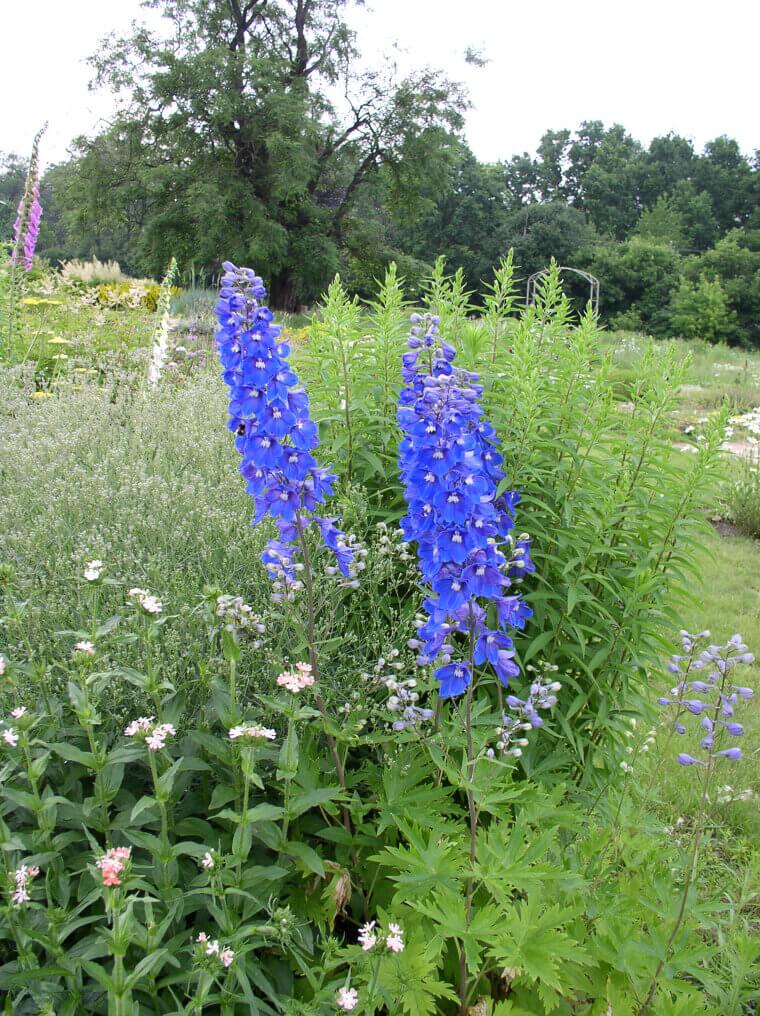
But the reward of a five-foot spike of azure blooms is worth the effort. Allegedly, they were a favorite of the British royal family, cementing their reputation as a "regal" heritage bloom.
The Golden Protectors of the Harvest: Marigolds
Marigolds were the humble heroes of Grandma's garden, often planted in a ring around the vegetables to keep the "bad bugs" away. They are trending again because of the push toward organic, chemical-free gardening practices. Their pungent scent is reportedly a natural deterrent for many common pests. In 2026, gardeners are seeking out "French" and "African" heirloom varieties that offer intricate, multi-colored petals in shades of copper and gold.
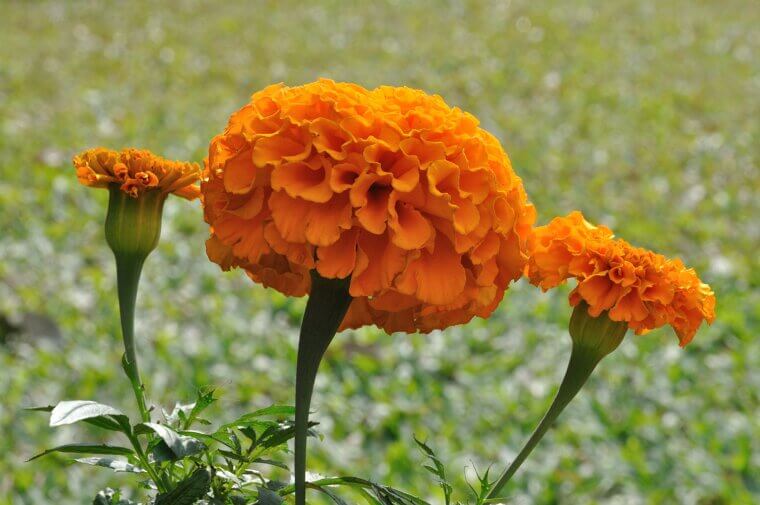
They are incredibly easy to grow from seed, making them a favorite for sharing with neighbors and passing down the tradition of seed-saving to the next generation.
The Whimsical Bells of the Shade Garden: Foxgloves
Foxgloves, with their tall spikes of freckled, bell-shaped flowers, brought a touch of "fairytale" magic to the cottage gardens of the 1920s. They are trending again as part of the "rewilding" trend, where gardeners allow plants to naturalize in semi-shaded areas. These biennials are excellent at self-seeding, creating a beautiful, wandering look over time. While they must be handled with care as they are toxic if eaten, their beauty is undeniable.
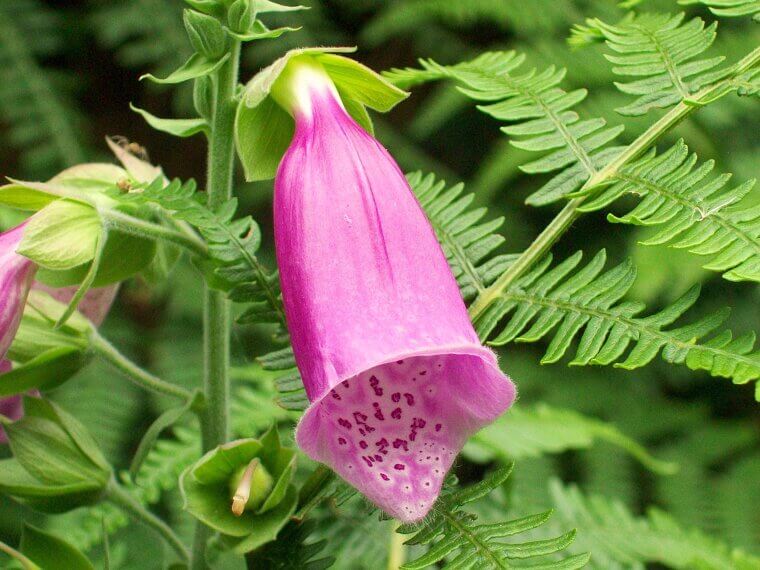
Allegedly, the "spots" inside the bells were once thought to be the fingerprints of fairies, a charming bit of folklore that endures in modern gardening circles.
The Fragrant Carpet of the Summer Border: Sweet William
Sweet William was a beloved member of the Dianthus family, known for its fringed petals and spicy, clove-like scent. Grandmothers loved these flowers because they stayed low to the ground and filled the air with perfume. They are trending again because they make exceptional cut flowers, lasting up to two weeks in a vase. In 2026, gardeners are rediscovering the "auricula-eyed" varieties that feature contrasting rings of color.
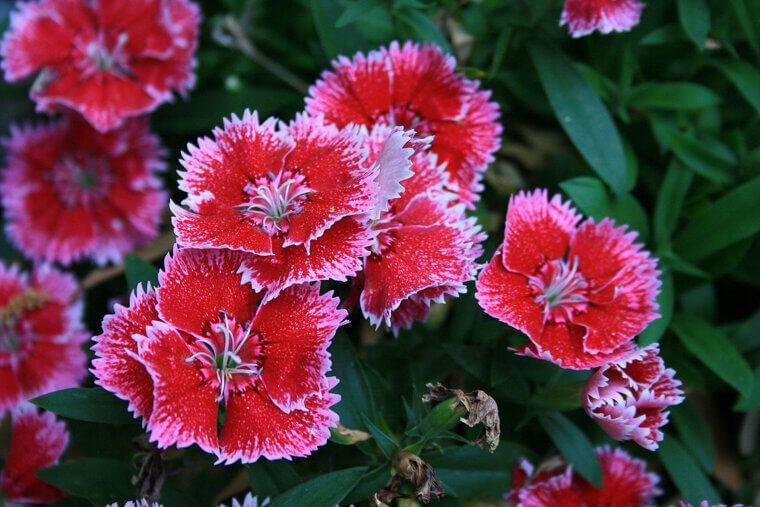
Reportedly, they were named after the Duke of Cumberland, though some folk legends claim they were named after a much humbler "Sweet William" from a popular ballad of the 18th century.
The Airy Wildflower of the Open Field: Larkspur
Larkspur was the "cool-weather cousin" of the Delphinium, often sown directly into the garden by Grandma in late autumn. These tall, feathery plants produce spikes of blue, pink, and white that sway beautifully in the breeze. They are trending again because they fit perfectly into the "meadow garden" aesthetic that is popular for 2026. They are much easier to grow than Delphiniums and provide the same stunning height.
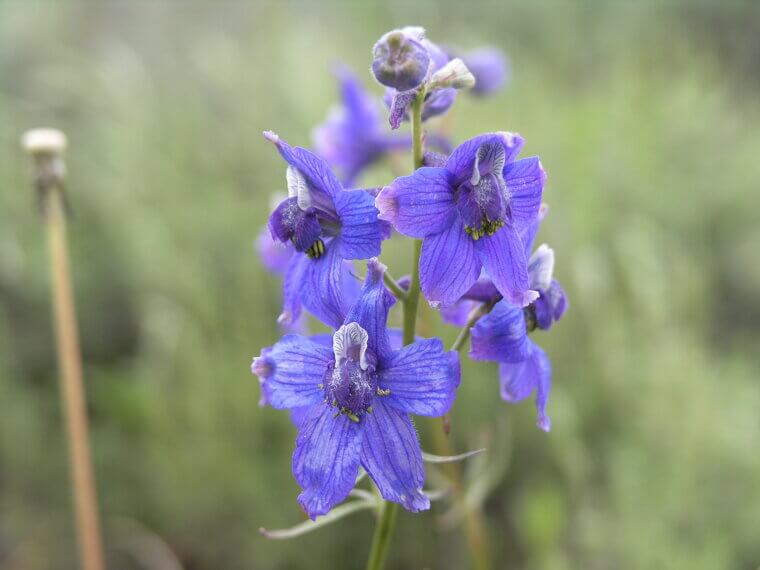
Allegedly, they were used in the past to create natural dyes, and today they are a favorite for drying and using in everlasting wreaths and pressed flower art projects.
The "Sword Lily" of Mid-Century Bouquets: Gladiolus
Gladiolus spikes were a common sight in Grandma’s dining room, often standing tall in heavy glass vases. These "corms" were prized for their ability to produce a succession of blooms up the stem. They are trending again because of the resurgence of "maximalist" floral design, which favors tall, structural elements. In 2026, the "butterfly" varieties—which feature ruffles and bi-color throats—are particularly popular. Reportedly, they were a favorite for church altars and community events in the 1950s.
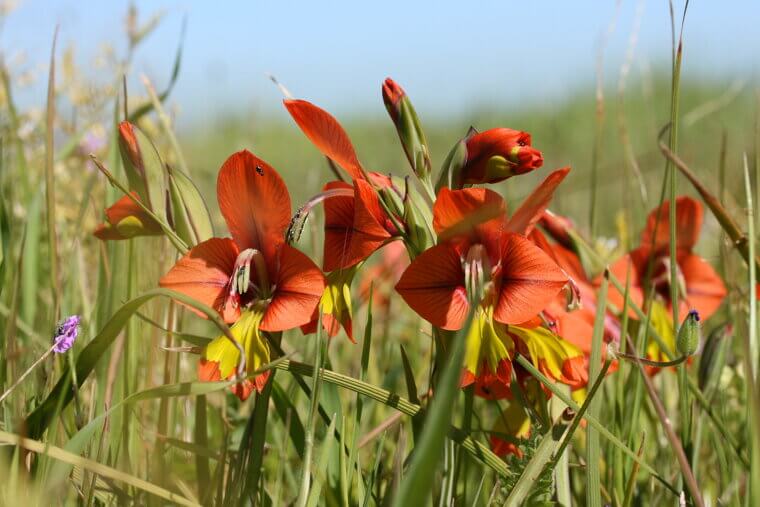
They are surprisingly easy to grow, provided they have full sun and are staked to prevent them from tipping over.
The Scent of a New England Spring: Lilacs
Lilacs are the quintessential heritage shrub, often marking the site of an old homestead long after the house itself has crumbled. Grandmothers loved them for their fleeting but intoxicating perfume that signaled the true arrival of spring. They are trending again because modern breeders have developed "compact" varieties that fit into smaller yards and even large containers. Allegedly, a well-tended Lilac can live for over 150 years, making it a true legacy plant.
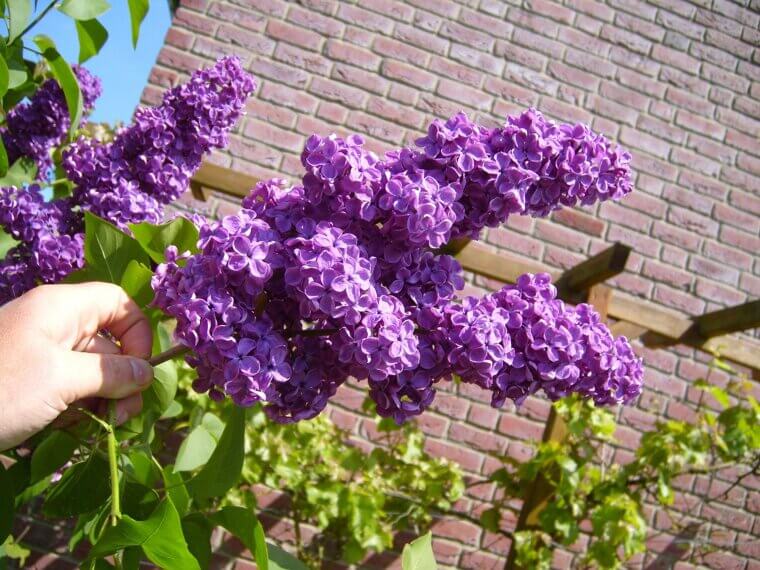
Modern gardeners love them for their reliability and the way they bring a sense of history and permanence to a newer landscape.
The Electric Blue Annual of the 1940s: Bachelor’s Buttons
Also known as Cornflowers, Bachelor’s Buttons were a staple of the "Victory Gardens" of the 1940s. Their intense, cornflower-blue color is nearly unmatched in the garden. They are trending again because they are incredibly easy to grow and are highly attractive to bees and beneficial insects. They are a "sow and forget" kind of plant, which appeals to busy modern gardeners. Reportedly, they were once worn in the buttonholes of young men to signal their romantic availability, hence the name.
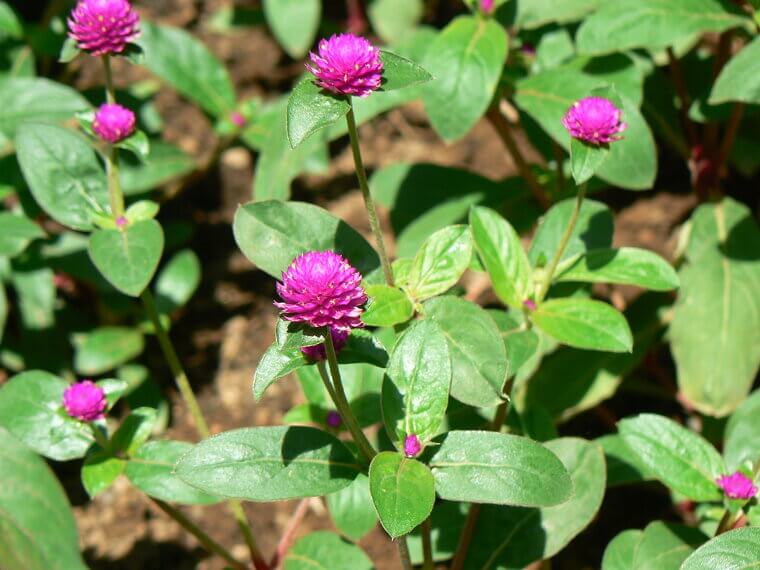
Today, they are prized for their ability to dry well and hold their brilliant color for months.
The Intricate "Dove" of the Woodland Edge: Columbine
Columbine flowers, with their unique "spurs" and delicate foliage, were a favorite for the shadier parts of Grandma's garden. They are trending again because they are a fantastic choice for "shade-tolerant" pollinators like hummingbirds. These perennials are known for their ability to cross-pollinate, leading to surprising new color combinations in the garden each year. Allegedly, the name comes from the Latin word for "dove," because the inverted flower looks like five birds clustered together.
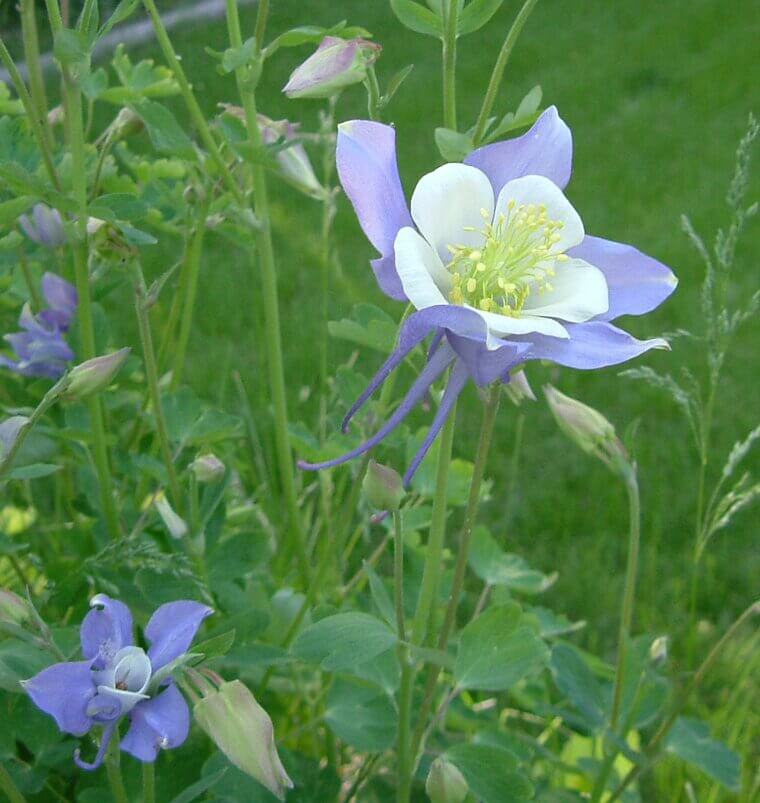
They are the perfect "bridge" plant, looking equally at home in a formal border or a wild, naturalized woodland setting.
The Stately Chimes of June: Canterbury Bells
Canterbury Bells were a classic biennial that required a bit of patience, but Grandma knew the reward was worth the wait. In their second year, they produce massive, bell-shaped flowers that look like something out of a storybook. They are trending again because they offer a "vintage-cool" vibe that is perfect for the 2026 cottage garden revival. They come in soft whites, pinks, and purples, and their sturdy stems make them excellent for cutting.
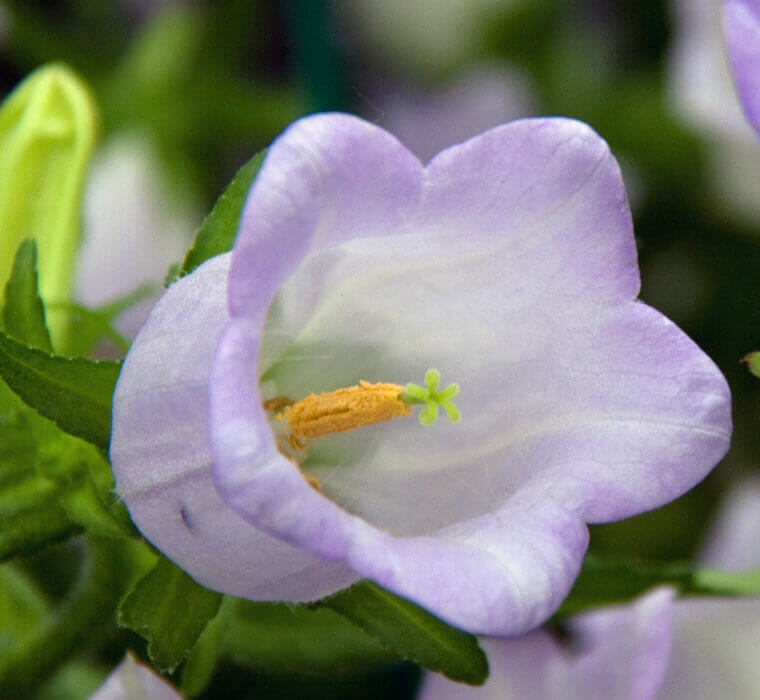
Reportedly, they were a favorite of medieval gardeners and have been grown in English cottage gardens for centuries, embodying a sense of timelessness.
The "Daisy" That Floats on a Cloud: Cosmos
Cosmos were a staple of the mid-century garden because they could be grown by anyone, anywhere. With their lacy, fern-like foliage and simple, daisy-like blooms, they seem to float in the garden. They are trending again because they are the ultimate "low-effort, high-reward" plant for 2026. They bloom from mid-summer until the first hard frost, providing a constant source of food for butterflies. Allegedly, they were brought to Spain from Mexico in the 1700s.
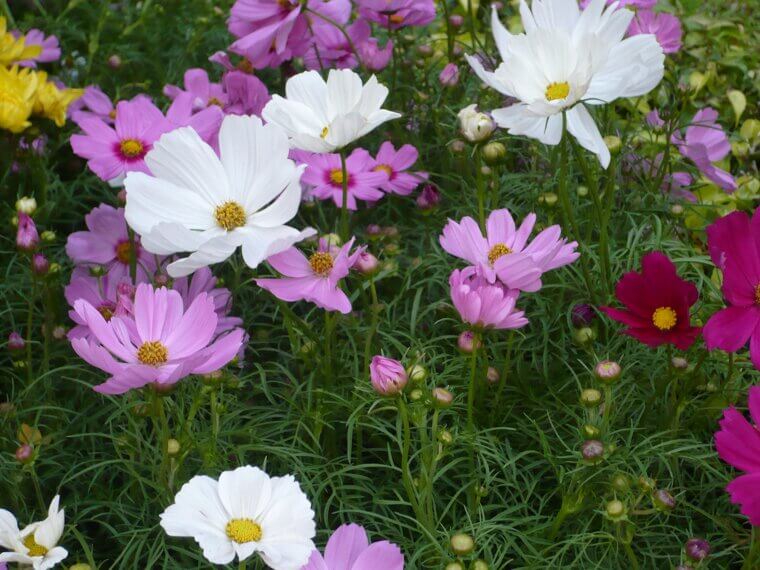
And their name comes from the Greek word for "harmony," a fitting description for their balanced and graceful appearance in the landscape.
The "Star" of the Autumn Garden: Asters
When the rest of the garden began to fade, Grandma’s Asters would burst into a sea of purple, blue, and white. They are trending again because they are crucial for "late-season" pollinators who need a boost before winter. In 2026, the "heritage" varieties are more popular than the modern hybrids because they tend to be hardier and more disease-resistant. Reportedly, they were once thought to drive away evil spirits when burned.
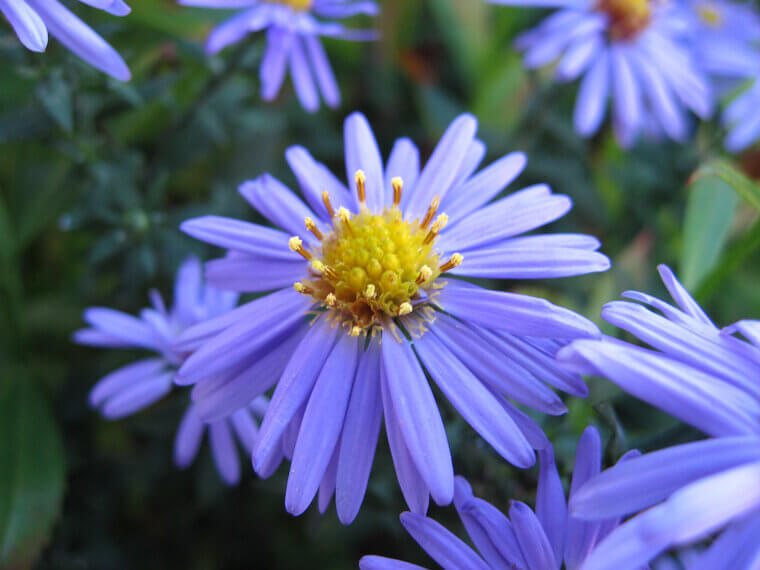
But today we just appreciate them for their star-shaped blooms. They are a "must" for anyone looking to extend their garden's beauty into the crisp days of October.
The "Cherry Pie" Plant of the 1880s: Heliotrope
Heliotrope was a massive favorite in the late Victorian era because of its incredible scent, which many say smells exactly like warm cherry pie or vanilla. It fell out of fashion for decades but is trending again in 2026 as gardeners prioritize "fragrance-first" planting. Its deep purple clusters of tiny flowers are a magnet for bees. Allegedly, it was so popular in the 19th century that it was a standard component of every decorative "carpet bedding" scheme.
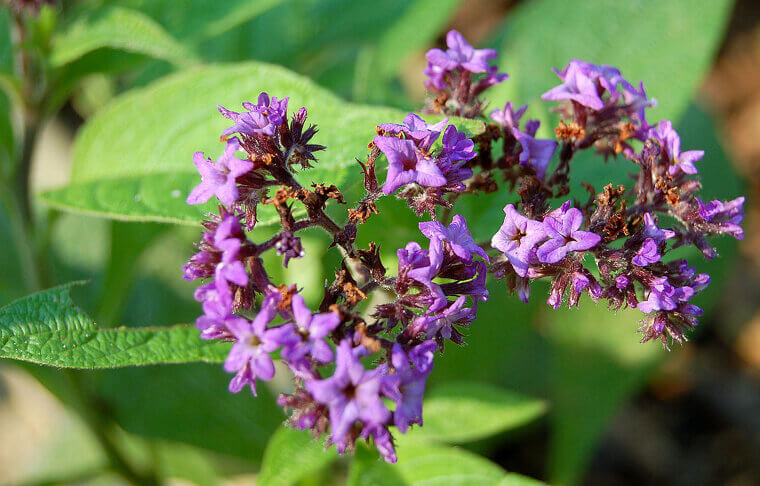
It thrives in pots, making it a great choice for modern patios where its scent can be enjoyed up close.
The Rugged Survivor of the Roadside: Bouncing Bet
Bouncing Bet, or Soapwort, was a flower Grandma likely had near the laundry area or the edge of the property. It earned its name because the sap from the leaves can actually be used to make a mild, soapy lather. It is trending again as part of the "useful garden" movement, where plants are chosen for more than just their looks. It produces clusters of pale pink flowers that are incredibly hardy and can grow in the poorest of soils.
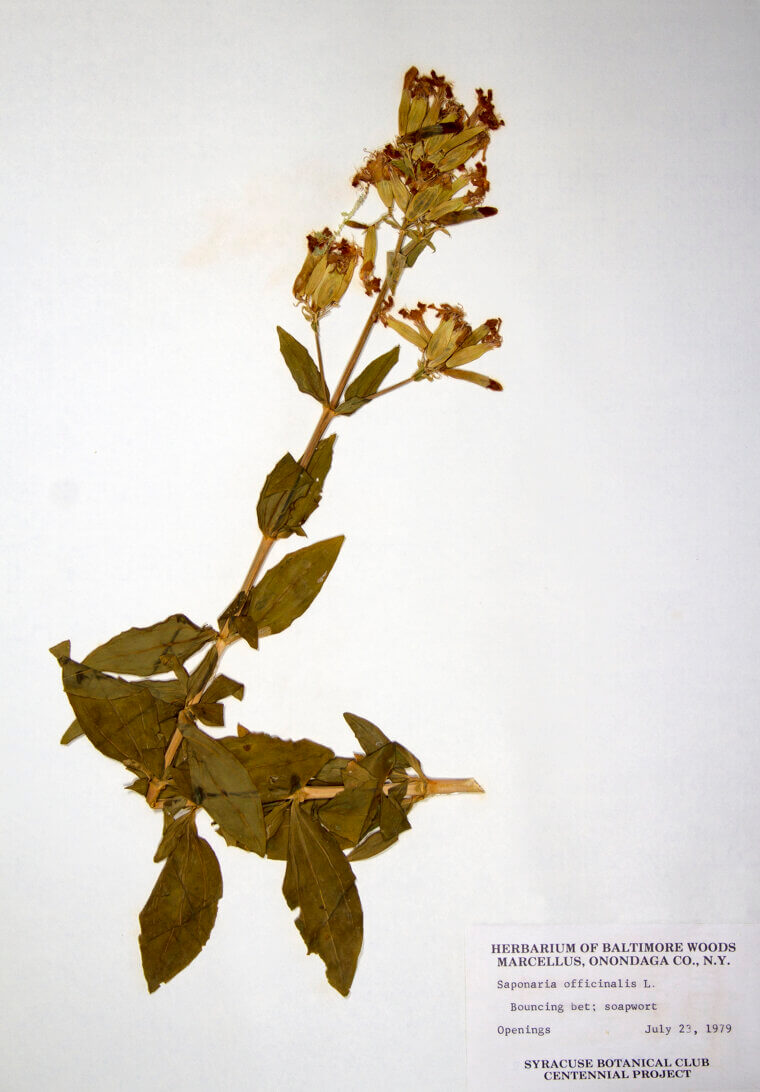
Reportedly, it was brought over by early settlers who used it to wash delicate fabrics, making it a true living piece of history.
The Sunrise Greeting of the Garden: Morning Glories
Morning Glories were Grandma’s favorite way to hide an ugly fence or shade a sunny porch. These fast-growing vines produce vibrant, trumpet-shaped flowers that open with the sun and close by noon. They are trending again for their ability to provide "instant" vertical color in a single season. In 2026, the "Heavenly Blue" and "Grandpa Ott's" heritage varieties are the top sellers. Allegedly, they were first cultivated in Japan for their beauty.
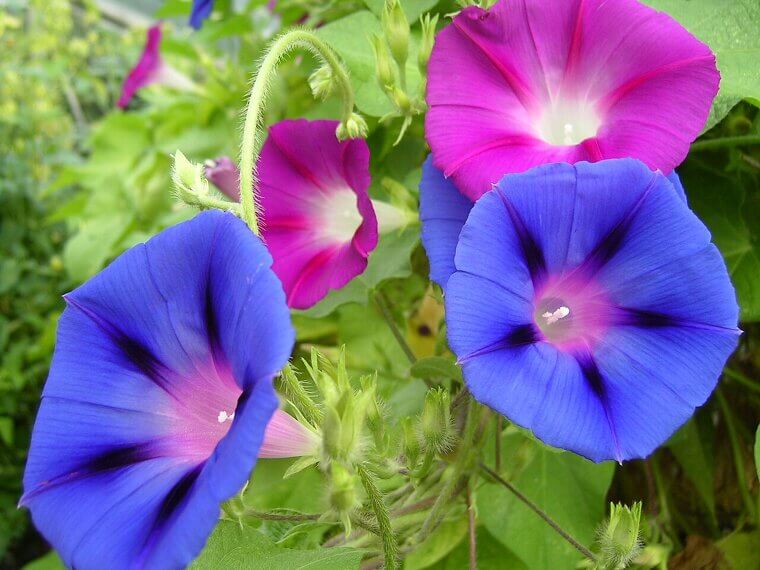
They have been a symbol of the "fleeting nature of life" for centuries, adding a layer of philosophical depth to their simple, stunning beauty.
The "Everlasting" Bloom of the 1970s: Strawflowers
While popular in Grandma’s youth, Strawflowers had a massive peak in the 70s and are now trending again in 2026 for the "dried flower" and "cottagecore" aesthetic. These unique flowers have petals that feel like paper even while they are still growing on the plant. They come in brilliant, fiery colors like orange, gold, and deep red. Reportedly, they can last for years in a dried arrangement without losing their color.
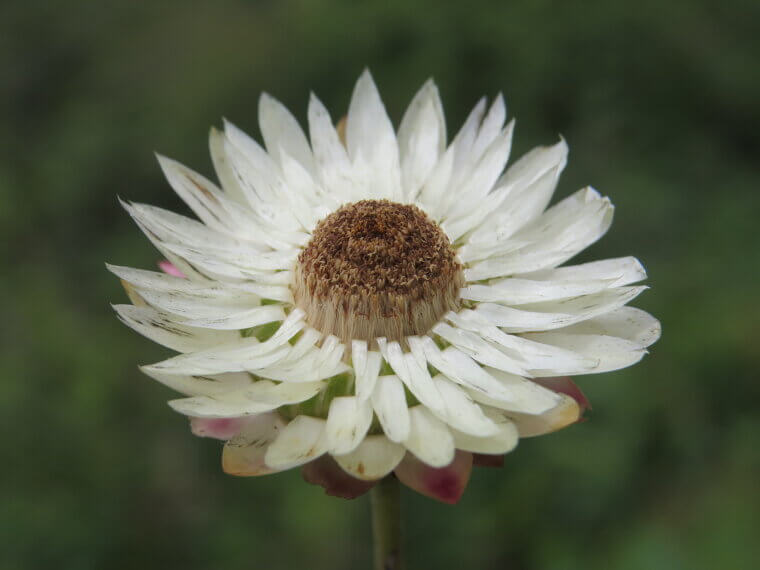
Modern gardeners love them because they are drought-tolerant and provide a unique texture that stands out among the softer, rufflier flowers in the garden bed.
The Intense Blue of the Window Box: Lobelia
Grandma loved Lobelia for its ability to trail over the edges of pots and window boxes like a waterfall of deep, sapphire blue. It is trending again because it is one of the few flowers that offers a "true blue" hue that doesn't lean toward purple. It’s perfect for the "jewel-tone" trend of 2026. While it prefers the cooler temperatures of spring and autumn, it can be kept blooming through summer if given enough water and a bit of shade.
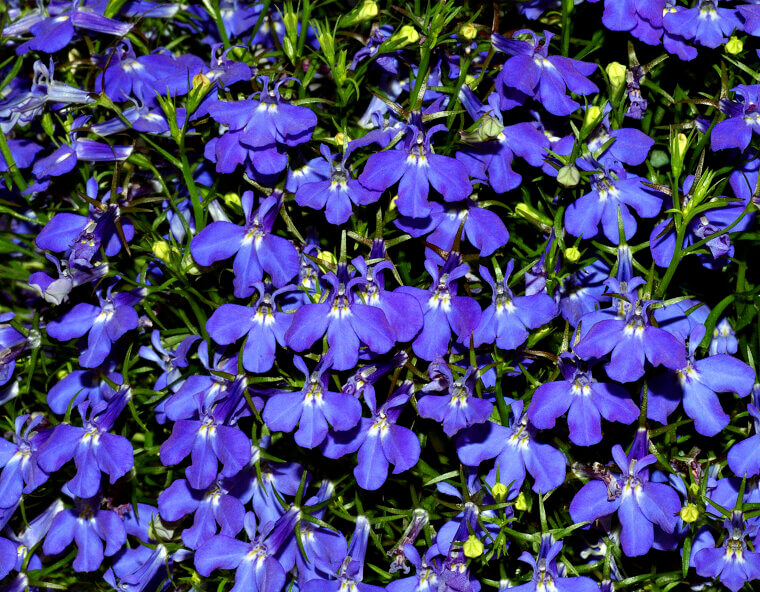
Allegedly, it was used in traditional medicine, but today it is prized solely for its incredible, eye-popping color and graceful trailing habit.
The Fragrant Ghost of the Night Garden: Sweet Rocket
Sweet Rocket, also known as Dame’s Violet, was a staple of the "Moon Garden" because its pale purple and white flowers practically glow in the dark and release a spicy scent only after the sun goes down. It is trending again as more people look to enjoy their gardens in the evening after work. It is a hardy biennial that self-seeds freely, often popping up in unexpected but welcome places.
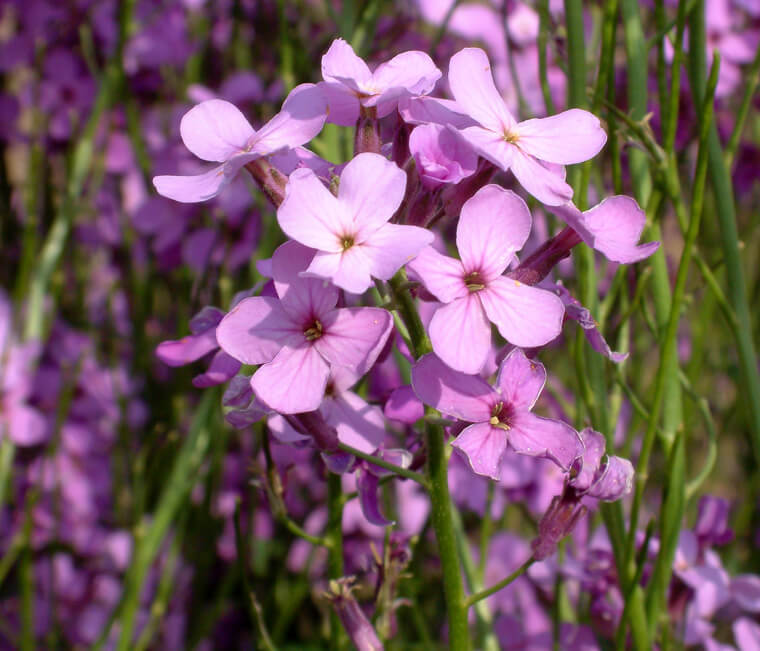
Reportedly, it was a favorite of Marie Antoinette, and its ability to thrive in dappled shade makes it a versatile choice for modern yards with mature trees.
The "Little Darling" of the Fragrance Garden: Mignonette
Mignonette might not be the showiest flower in the garden, with its spikes of brownish-green and orange, but its scent is legendary. Grandmothers grew it specifically for its perfume, which is a mix of violets and raspberries. It is trending again in 2026 as "sensory gardening" becomes a major hobby for seniors. It is an annual flower that is easy to grow from seed.
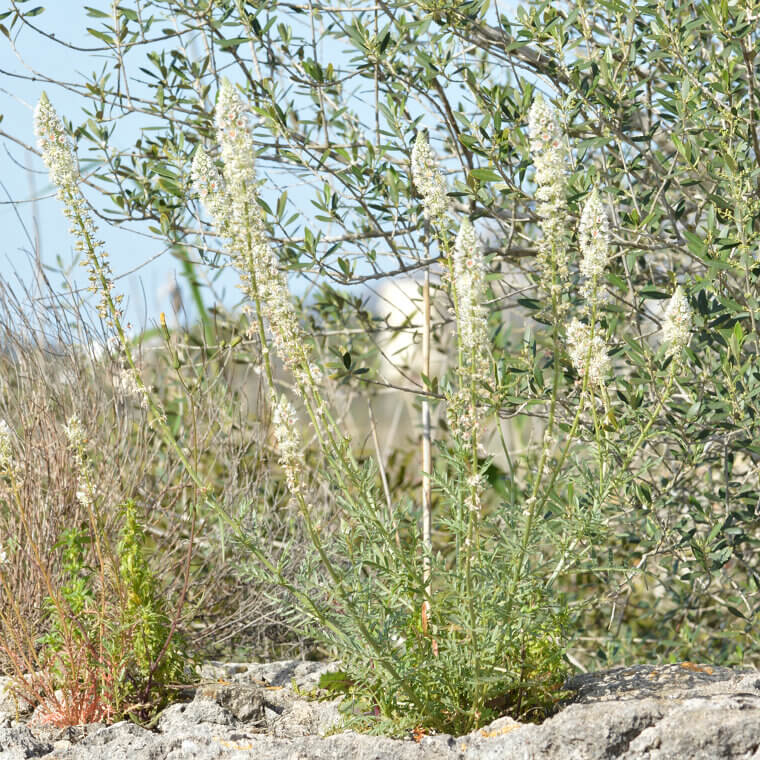
And was reportedly so beloved in the 19th century that Napoleon Bonaparte sent seeds home to Josephine. It’s a wonderful "filler" plant that adds an invisible layer of luxury to any floral arrangement.
The Tiny Blue Symbol of Remembrance: Forget-Me-Nots
These delicate, sky-blue flowers were a symbol of "true love and memory" in Grandma’s day. They are trending again because they are perfect for "low-maintenance" groundcovers in shady areas. They self-seed effortlessly, creating a beautiful blue carpet every spring. Allegedly, the name comes from a German legend of a knight who fell into a river while picking the flowers for his lady, shouting "forget me not!" as he was swept away.
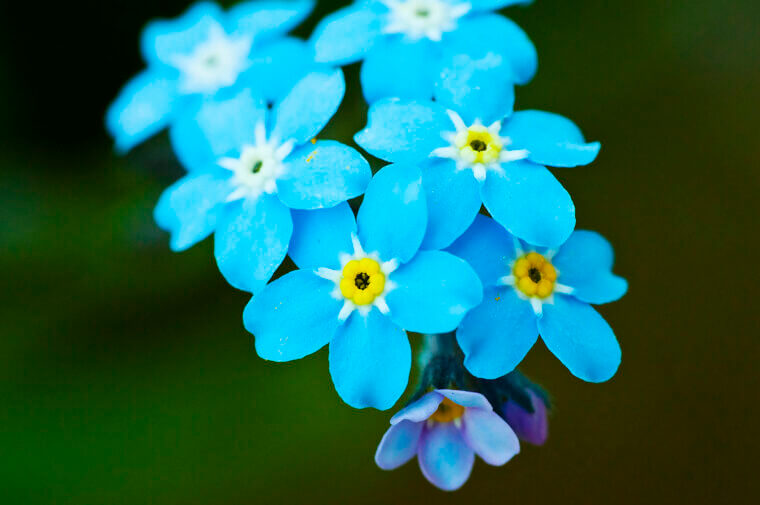
Today, they are a favorite for "wildlife-friendly" gardens, providing early-season nectar for bees and other pollinators just as they are emerging from winter.
The Velvety "Brain" of the Autumn Bed: Cockscomb
Cockscomb, a variety of Celosia, was a favorite for its bizarre, brain-like shape and incredibly soft, velvety texture. Grandmothers loved the bold, saturated reds and yellows it brought to the late summer garden. It is trending again in 2026 because of the "maximalist" and "weird plant" trends that have taken over social media. They are excellent for drying and keep their vibrant color for a long time.
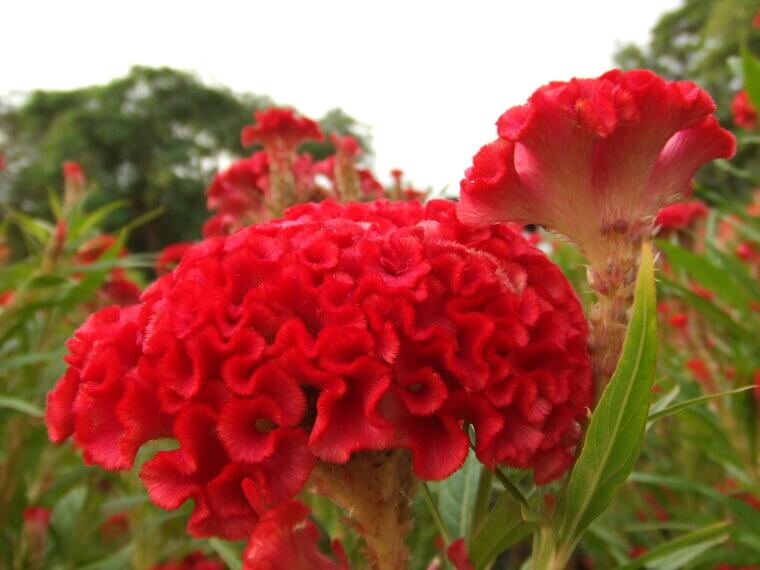
Reportedly, they are a staple in many traditional African and Asian gardens, where they are prized for both their beauty and their hardiness in hot, humid weather conditions.
The Ethereal Blue of the Cottage Garden: Love-In-A-Mist
Nigella, or Love-In-A-Mist, was a favorite of Grandma’s because of its feathery, misty foliage that surrounds a delicate, star-shaped blue flower. It is trending again because the seed pods—which look like tiny, striped balloons—are just as beautiful as the flowers themselves. This makes it a "two-for-one" plant for home decorators. Allegedly, it was a common inhabitant of English country gardens for over 400 years.
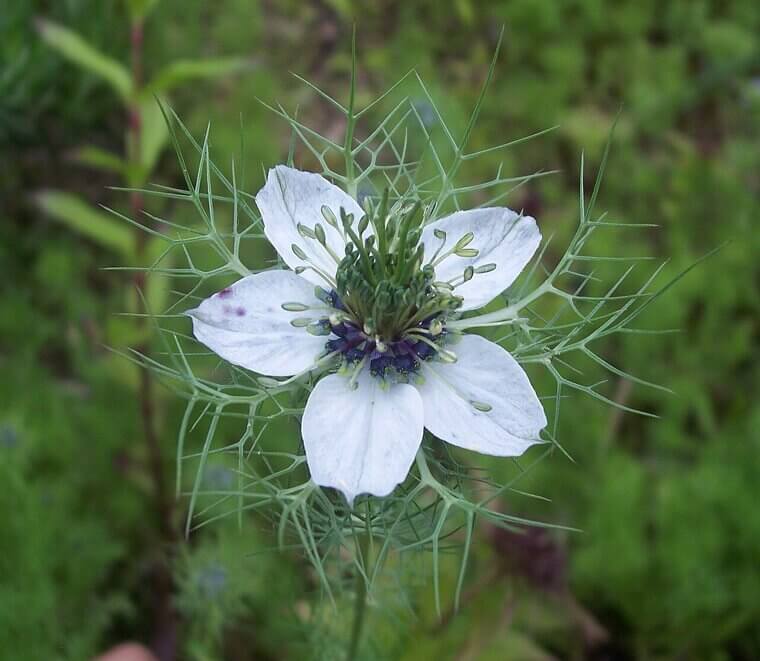
It is incredibly easy to grow and will often self-seed, ensuring that you have a "mist" of blue in your garden year after year with very little effort.
The "Silver Dollar" Plant of the Winter Vase: Honesty
Also known as the Money Plant, Honesty was grown by Grandma for its unique, translucent seed pods that look like shimmering silver coins. It is trending again in 2026 because of the interest in "everlasting" floral arrangements and "sustainable" home decor. The purple flowers in spring are lovely, but the plant is really grown for its winter interest. Reportedly, the name "Honesty" comes from the transparency of the pods, which reveals the seeds inside.
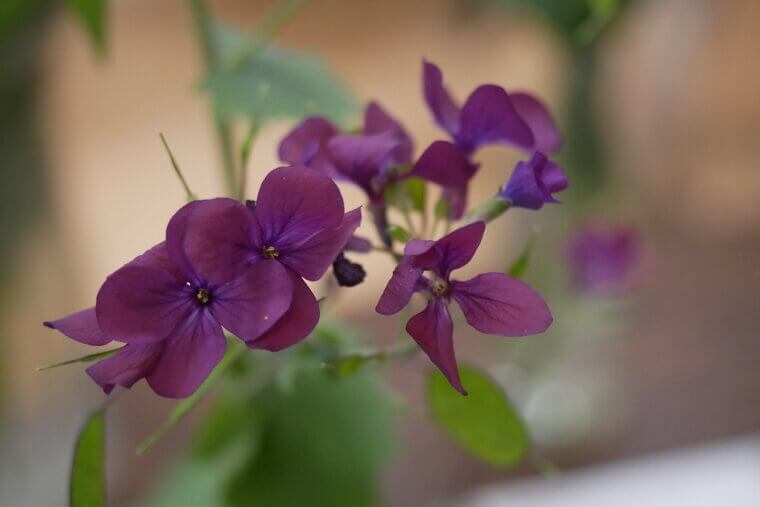
It’s a hardy biennial that is perfect for those "difficult" spots in the garden where nothing else seems to want to grow.
The Tough Little "Jewel" of the Hot Walkway: Moss Rose
Portulaca, or Moss Rose, was the flower Grandma planted in the cracks of the sidewalk or along the hottest, driest edges of the garden. Its succulent-like leaves and brilliant, neon-colored blooms are incredibly drought-tolerant. It is trending again as a "water-wise" alternative to traditional bedding plants. The flowers open only in bright sunlight, making the garden feel alive and responsive to the day.
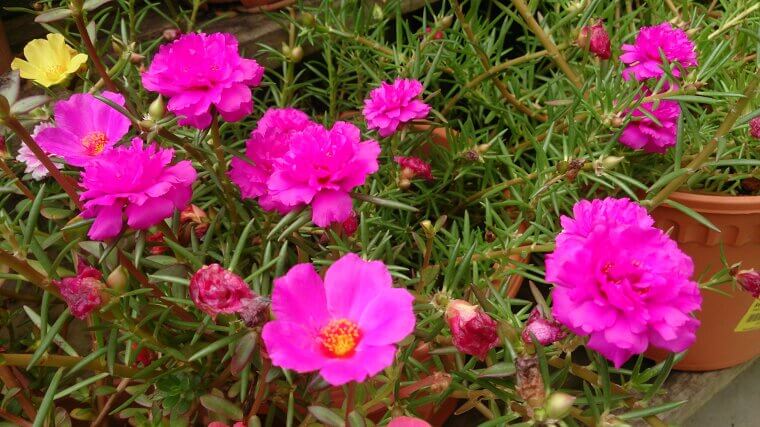
Allegedly, it was first brought to Europe from South America in the early 1800s, and its ability to thrive in conditions that would kill most other flowers makes it a true survivor.