
Sunken Living Rooms
The conversation pit is reportedly making a major comeback in 2025. Originally a staple of the 1960s and 70s, these recessed seating areas create an intimate, cozy atmosphere that encourages face-to-face interaction away from digital distractions. Modern versions often feature plush, velvet-wrapped sofas and soft lighting to enhance the "cocoon" effect. Designers suggest that this architectural choice helps define an open-concept space without the need for bulky walls.
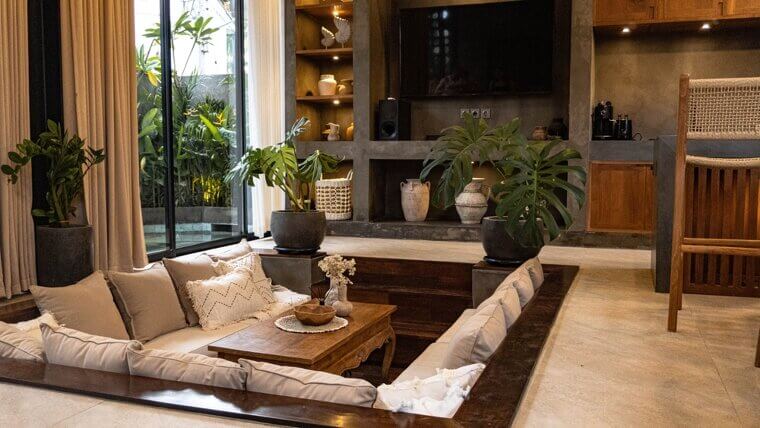
It provides a unique sense of depth and character that many homeowners feel has been missing from the flat, minimalist layouts of the last decade.
Glass Block Walls
Once dismissed as a dated relic of the 1980s, glass blocks are allegedly being rediscovered for their ability to diffuse light while maintaining total privacy. These sturdy, translucent bricks are appearing in entryways, bathrooms, and even as kitchen islands. They offer a sophisticated, industrial-chic look that pairs beautifully with modern metals and natural wood. Homeowners appreciate how they allow sunlight to travel through the home without exposing the interior to neighbors.
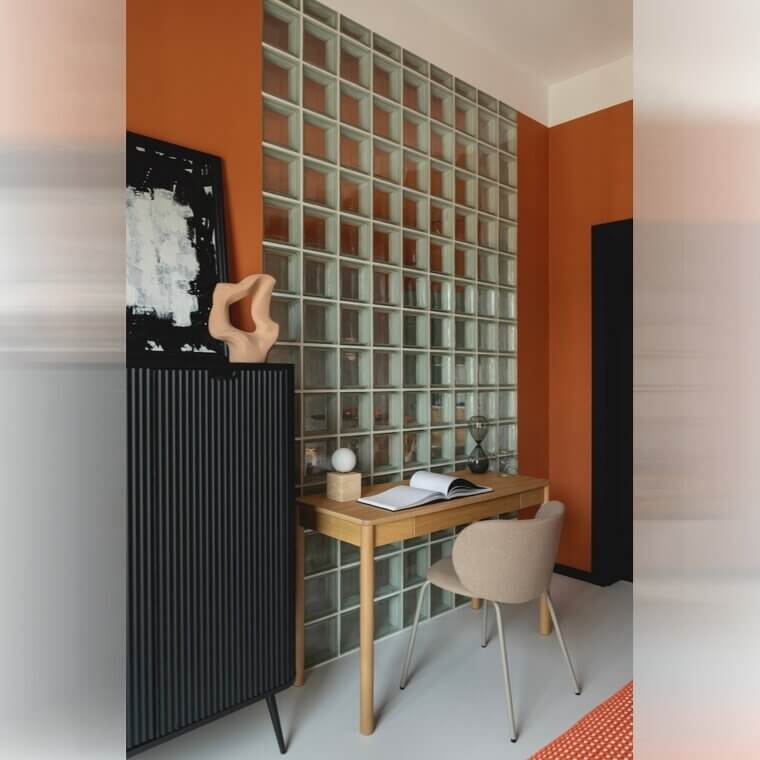
Contemporary installations often use thinner grout lines and varied textures to ensure the look feels fresh and intentional rather than stuck in the past.
Terracotta Flooring
The warm, earthy tones of terracotta are reportedly returning to replace the cold gray tiles that have dominated for years. These clay-based tiles provide an organic, Mediterranean feel that adds instant warmth to kitchens and sunrooms. Because terracotta is a natural material, it develops a beautiful patina over time, which many find more charming than synthetic alternatives. Modern designers are pairing these rustic floors with sleek, contemporary cabinetry to create a balanced "modern rustic" aesthetic.
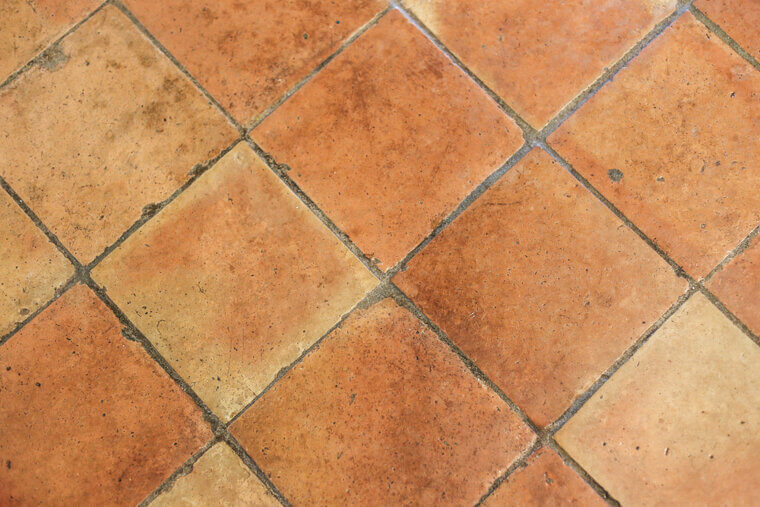
It is a durable, timeless choice that feels grounded and connected to the natural world, reflecting a shift toward wellness-focused design.
Wallpapered Ceilings
Often referred to as the "fifth wall," the ceiling is allegedly becoming a primary focal point in home design once again. This trend, which saw popularity in grand Victorian homes, involves applying intricate patterns or textures overhead to add drama and height to a room. Using wallpaper on the ceiling can make a large space feel more intimate or turn a small powder room into a jewel box.
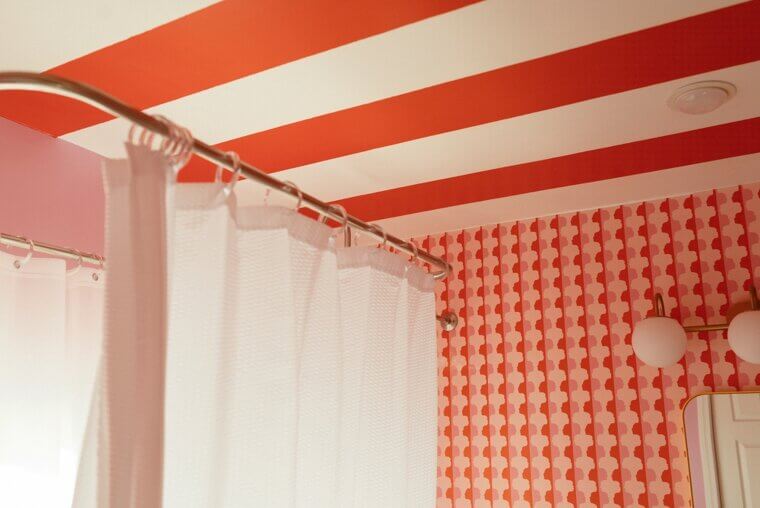
It is a playful way to introduce color and personality without overwhelming the eye at eye level. Many enthusiasts find that a patterned ceiling adds a surprising layer of sophistication.
Dark Wood Cabinetry
After years of all-white kitchens, rich wood tones like walnut, mahogany, and cherry are reportedly reclaiming their status. These darker stains offer a sense of luxury and permanence that painted surfaces often lack. Homeowners are increasingly drawn to the visible grain and natural imperfections of real wood, which add "soul" to a home. When paired with light stone countertops and modern brass hardware, dark cabinetry looks incredibly sophisticated.
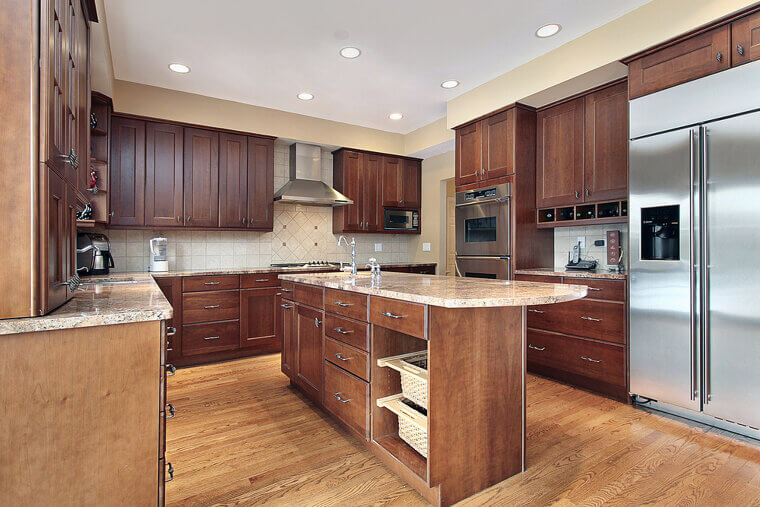
This shift represents a return to traditional craftsmanship and a desire for interiors that feel cozy, substantial, and classic rather than clinical or trendy.
Scalloped Edges
The whimsical, wavy lines of scalloped edges are allegedly appearing on everything from furniture to bathroom tiles. This trend harkens back to mid-century "grandmillennial" styles, offering a softer alternative to the sharp, rigid lines of modernism. You might see scallops on the hem of a sofa skirt, the edge of a marble backsplash, or even on decorative picture frames. It adds a touch of playfulness and femininity to a space without being overly fussy.
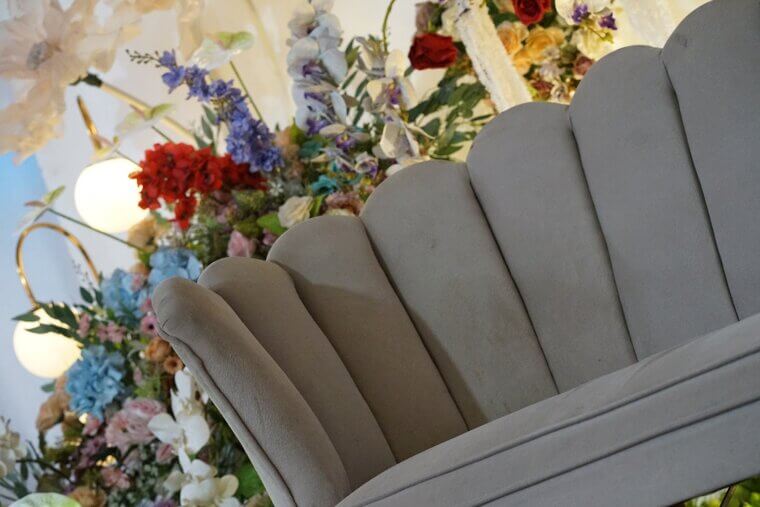
Designers claim this look brings a sense of handcrafted charm and approachable elegance to rooms that might otherwise feel too sterile.
Art Deco Geometry
The bold, glamorous spirit of the 1920s is reportedly resurfacing through Art Deco-inspired shapes and materials. Think arched doorways, fluted textures, and shimmering metallic accents in chrome or brass. These geometric elements provide a sense of structure and symmetry that feels both organized and opulent. Many people are incorporating Art Deco through statement lighting or "sunburst" mirrors to add a bit of theatrical flair to their living areas.
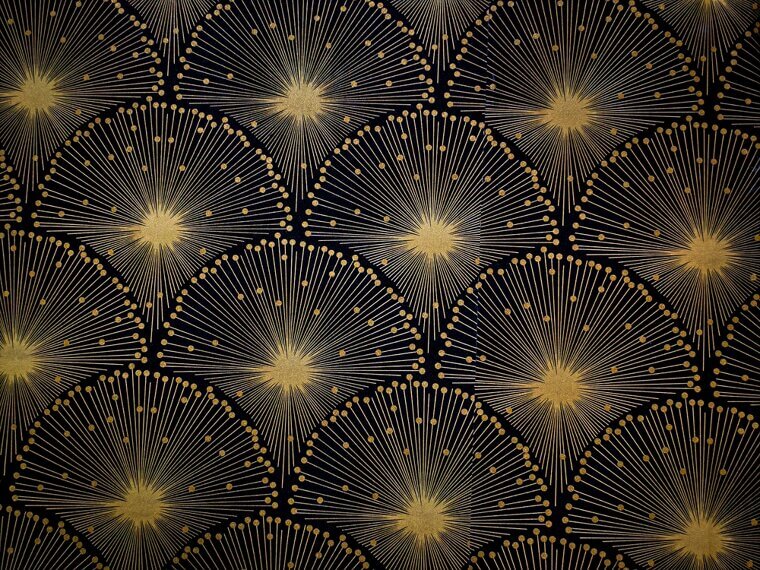
This revival is less about recreate a museum and more about blending those iconic, high-contrast shapes into a functional, comfortable contemporary home.
Pitted Stone and Travertine
Travertine, a classic limestone often found in ancient Roman architecture, is allegedly back in the spotlight for furniture and flooring. Its porous, pitted surface provides a tactile, organic quality that fits perfectly with the current preference for natural materials. Whether it is a heavy coffee table or a bathroom vanity, travertine brings a sense of "quiet luxury" and permanence. Unlike polished marble, its matte finish is more forgiving and hides dust or small scratches well.
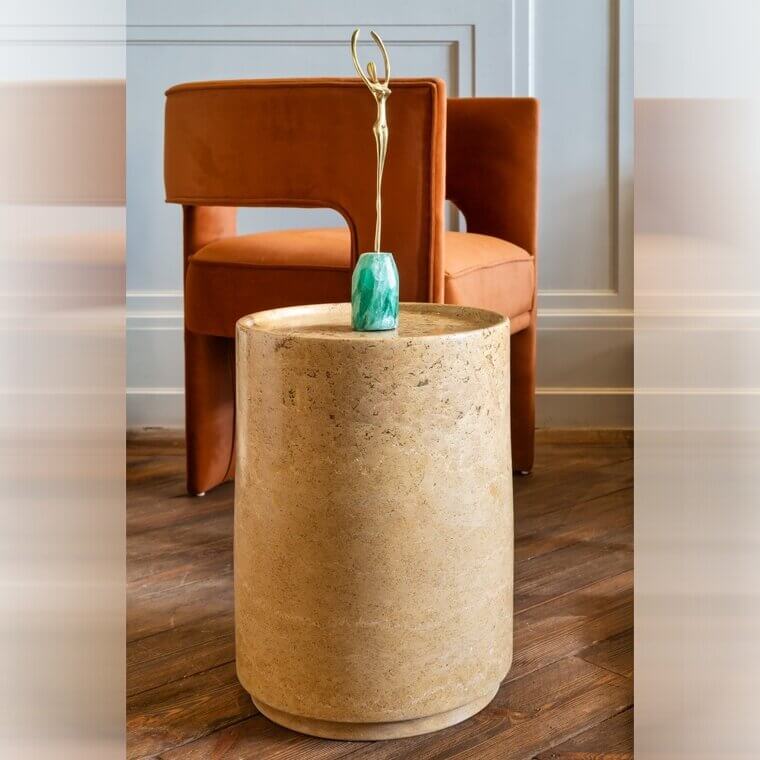
It serves as a beautiful, neutral foundation that complements both warm earth tones and cooler, modern color palettes.
Floral Chintz Fabrics
Traditional floral patterns are reportedly moving out of "grandma’s guest room" and into the main living areas. This classic English country style, characterized by large-scale botanical prints on high-quality cotton, adds instant history and comfort. Today’s version of the trend involves using these busy prints on just one statement piece, like a wingback chair or a set of drapes, to avoid overwhelming the room.
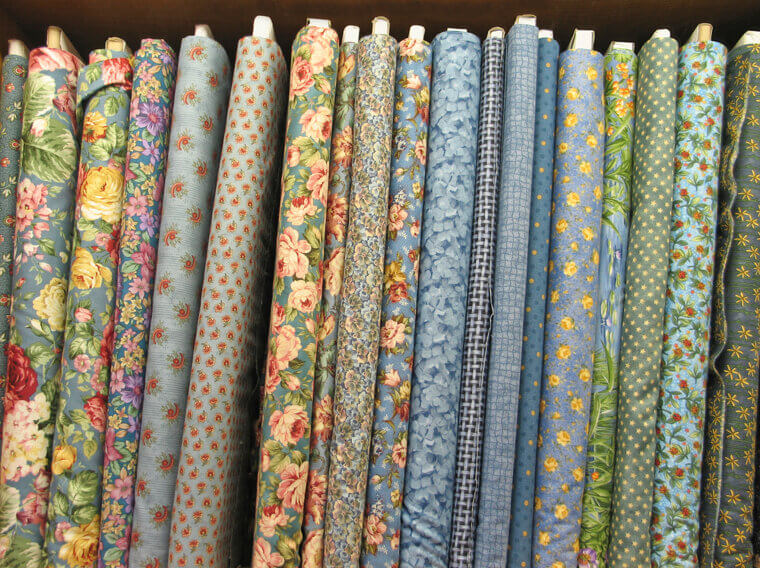
It brings a sense of nature and nostalgia indoors, creating a space that feels lived-in and loved. Many find that these florals provide a much-needed splash of color and cheer.
Wood Paneling
Forget the flimsy, faux-wood sheets of the 1970s; high-quality wood paneling and wainscoting are reportedly making a sophisticated return. Today's version often uses vertical slats or classic "picture frame" molding to add architectural interest to flat walls. Whether left in its natural grain or painted a deep, moody color, paneling provides texture and depth that paint alone cannot achieve.
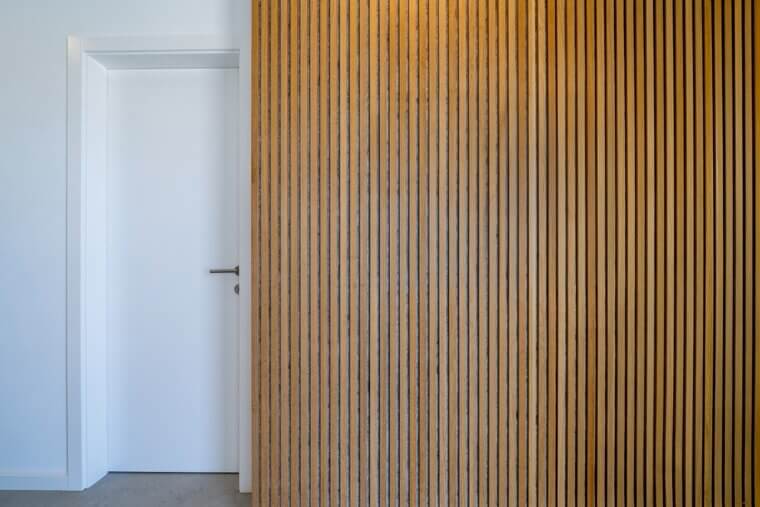
It is a fantastic way to make a generic room feel like it has been part of a historic estate. Homeowners love how it instantly elevates the perceived value and coziness of bedrooms and libraries.
Kidney-Shaped Furniture
The soft, organic curves of kidney-shaped sofas and desks are allegedly replacing the blocky, rectangular furniture of the past decade. This mid-century modern staple is loved for its ability to break up the harsh angles of a room and improve "flow." These pieces feel more approachable and inviting, encouraging a relaxed posture and easier conversation. Because they lack sharp corners, they are also a practical choice for smaller spaces where navigating around furniture can be tricky.
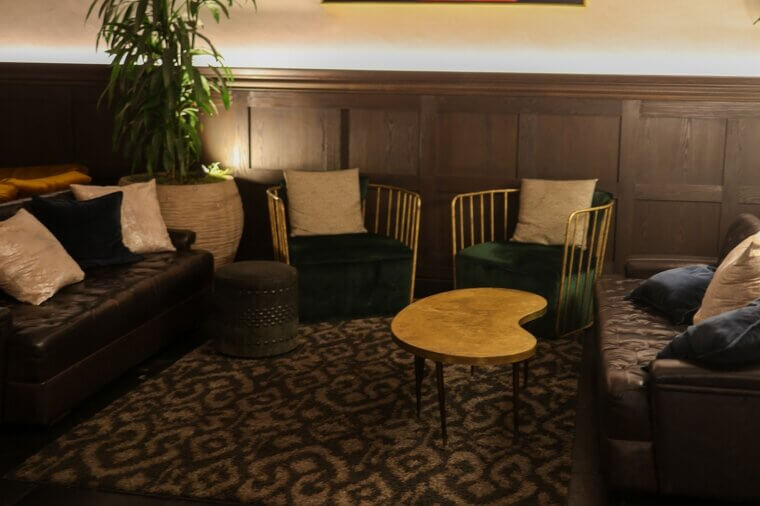
This trend emphasizes the idea that a home should feel fluid and comfortable rather than stiff and formal.
Checkerboard Floors
Classic checkerboard patterns, particularly in marble or terracotta, are reportedly seeing a huge resurgence in entryways and kitchens. While the traditional black-and-white version is still popular, many are opting for softer pairings like sage green and cream or mocha and beige. This pattern provides a strong sense of rhythm and classic "old-world" charm. It is a design choice that has appeared in homes for centuries.
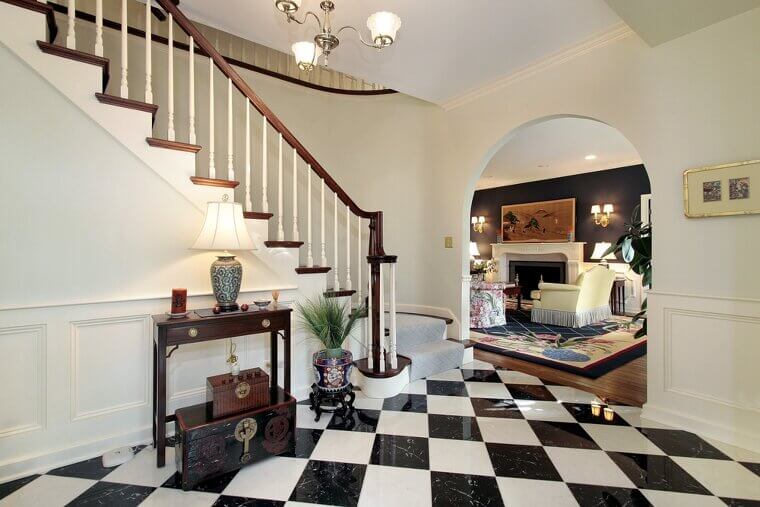
That makes it one of the most reliable ways to ensure a space never feels dated. Homeowners appreciate how it adds a graphic element that still feels incredibly grounded.
Deep Jewel Tones
While neutral "greige" has reigned supreme for a long time, saturated jewel tones like emerald green, sapphire blue, and ruby red are reportedly back. These colors create a "moody" and sophisticated atmosphere, especially in rooms meant for evening relaxation like dining areas or dens. When used on walls or in velvet upholstery, these shades absorb light and create a sense of intimacy and depth.
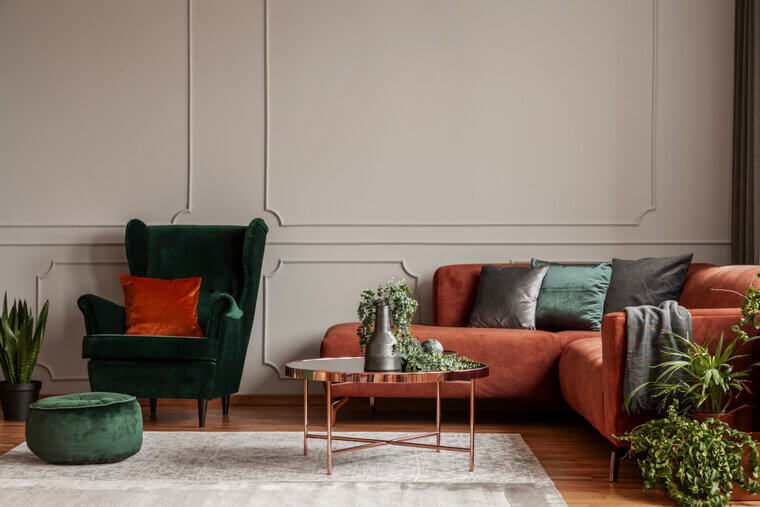
Designers are increasingly using these rich colors for "color drenching," where the walls, trim, and even the ceiling are all painted the same hue for a seamless, high-end look.
Skirted Furniture
The charming look of skirted sofas and chairs is allegedly returning as a way to hide furniture legs and add soft texture to a room. Once considered a hallmark of traditional "shabby chic" or country styles, contemporary skirts are often tailored with clean pleats or simple straight hems to look more modern. They bring a sense of softness to a room filled with hard surfaces like wood floors and stone tables.
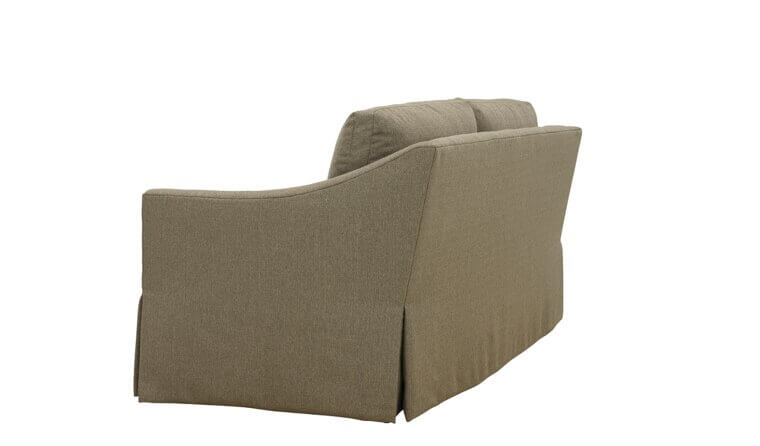
Additionally, skirted pieces offer a hidden benefit: they can provide a small amount of secret storage space underneath for items like baskets or extra blankets.
Brass Hardware and Fixtures
The cold, clinical look of brushed nickel is reportedly giving way to the warmth of aged brass. Unlike the shiny, yellow-gold brass of the 80s, today’s preferred finish is often "unlacquered," allowing it to develop a dark, natural patina over time. This material adds a touch of "lived-in" history to kitchens and bathrooms, making new renovations feel more authentic. Brass pairs beautifully with almost any color, particularly the deep greens and blues that are currently popular.
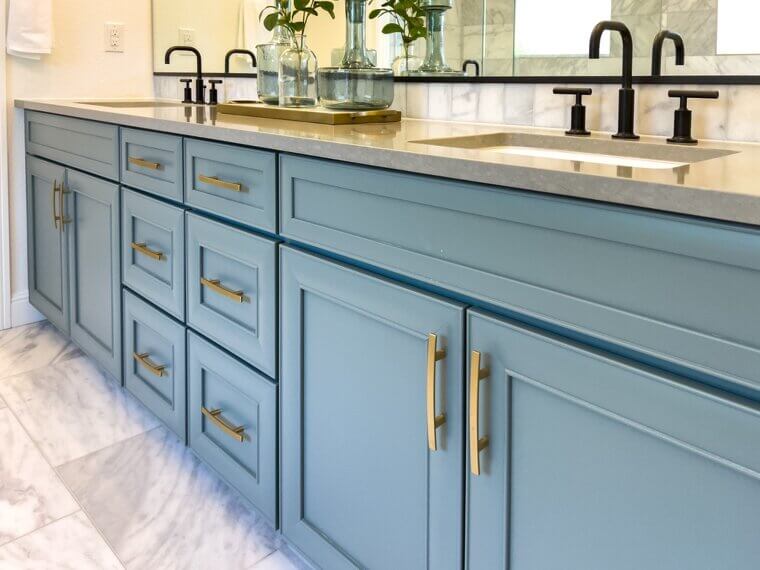
It is a small change that can make a standard room feel significantly more upscale and classic.
Statement Entryway Arches
Arched doorways and niches are reportedly replacing standard rectangular openings in many modern home renovations. This architectural feature, popular in both Mediterranean and Art Deco styles, helps to soften the transition between rooms. Arches draw the eye upward, making ceilings appear taller and giving the home a more custom, artisanal feel. Some homeowners are even adding "faux" arches using paint or drywall to create a more interesting silhouette.
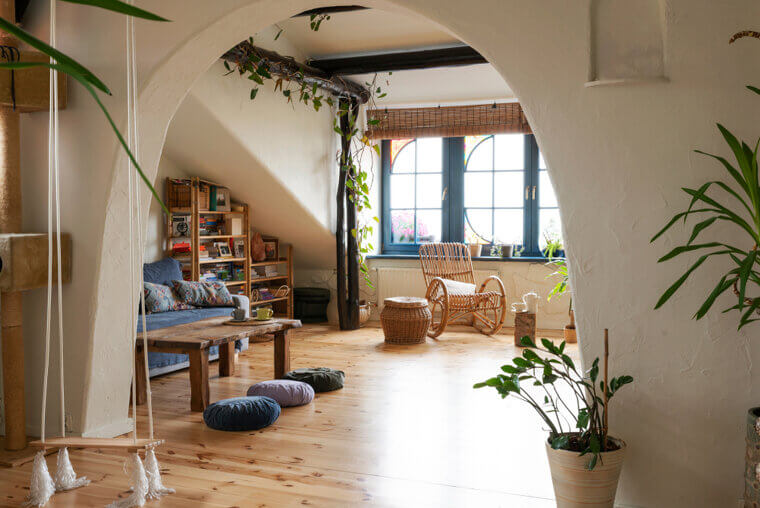
It is a simple yet effective way to add a sense of grace and flow to the structural layout of a house.
Indoor Ferns and Palms
Large-scale indoor plants like the Boston fern and Kentia palm are allegedly returning as essential decor elements. During the 1970s, "bringing the outdoors in" was a major trend, and today’s biophilic design movement is reviving that philosophy. These plants add life, movement, and a vibrant splash of green to any corner. Beyond their aesthetic appeal, they are also valued for their ability to improve indoor air quality and reduce stress.
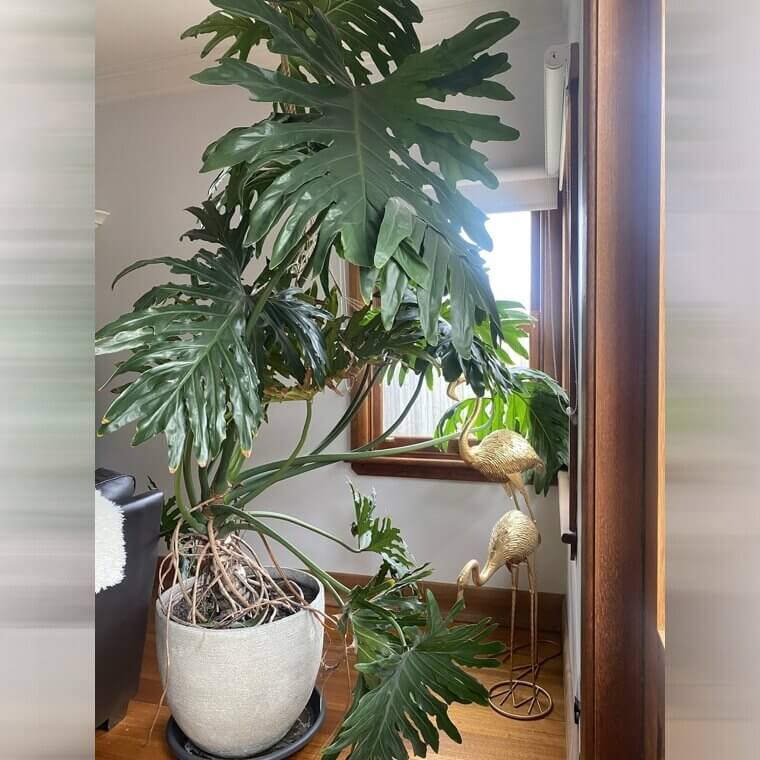
Many find that a large, well-placed plant can act as a piece of living sculpture, filling an empty space more effectively than furniture.
Decorative Wall Borders
Wallpaper borders are reportedly making a surprising comeback, but with a modern, artistic twist. Instead of the floral strips of the 90s, today’s borders often feature hand-painted styles, geometric patterns, or architectural motifs. They are being used to "frame" a room, running along the top of the wall or just above a chair rail. This trend allows homeowners to experiment with pattern and color without the commitment of papering an entire wall.
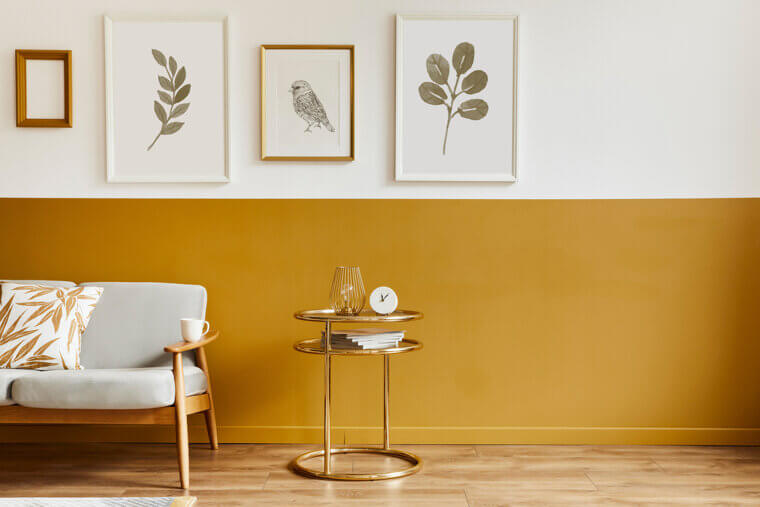
It is an easy, budget-friendly way to add a layer of whimsy and detail that makes a room feel truly finished.
High-Gloss Lacquer
Super-shiny, reflective surfaces are reportedly back in fashion for cabinetry and furniture. This "liquid" look, popular in high-end 1940s and 80s interiors, helps to bounce light around a room and makes colors appear more vibrant. Lacquered walls in a dark color can create a stunning, mirror-like effect that feels incredibly glamorous and sophisticated. While it requires a bit more maintenance to keep fingerprint-free, the visual impact is undeniably luxurious.
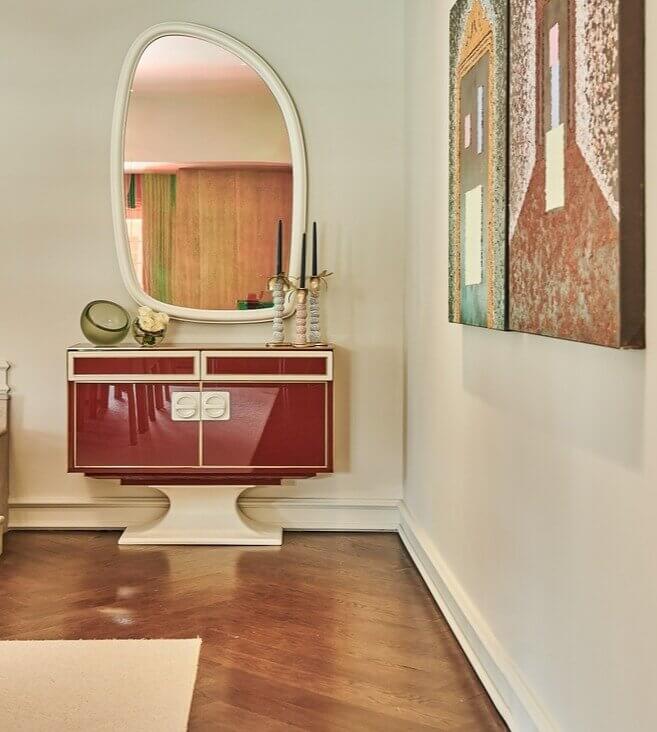
It is often used in small spaces, like libraries or powder rooms, to create a dramatic and memorable "jewel box" atmosphere for guests.
Rattan and Wicker
Natural woven materials like rattan and wicker are reportedly no longer confined to the patio. These textures are moving into the living room and bedroom through chairs, headboards, and lighting fixtures. They provide an organic, laid-back vibe that softens the look of modern furniture. Because they are lightweight and breathable, they are particularly popular in warmer climates or sunrooms. Rattan adds a "bohemian" or "coastal" touch that feels timeless and unpretentious.
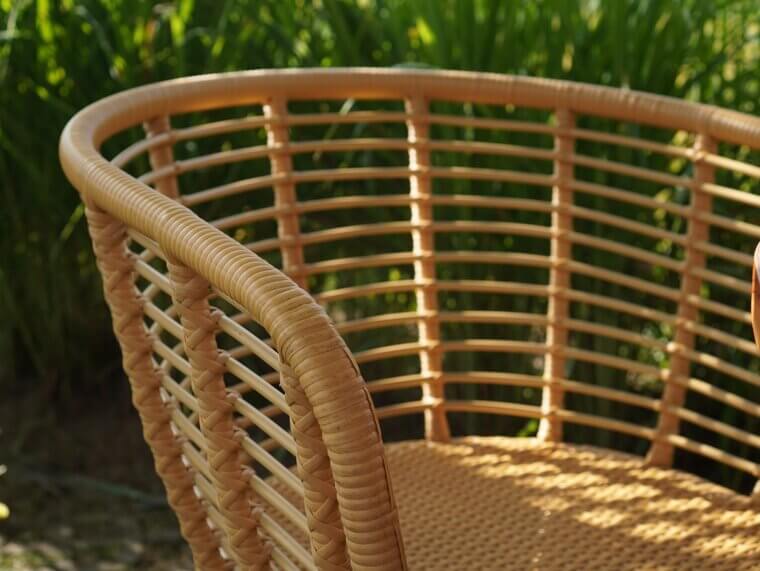
Many homeowners appreciate that these materials are sustainable and bring a sense of hand-crafted warmth to their interior spaces.
Built-In Bookcases
The return of the "home library" is reportedly a major trend for 2025 as people look for ways to display their physical collections. Floor-to-ceiling built-in shelves add a sense of permanence and intellectual charm to a living room or office. Unlike freestanding units, built-ins feel like part of the home's architecture, providing a cohesive and organized look. They offer an opportunity for "bookshelf styling," where owners can mix books with art, family photos, and travel souvenirs.
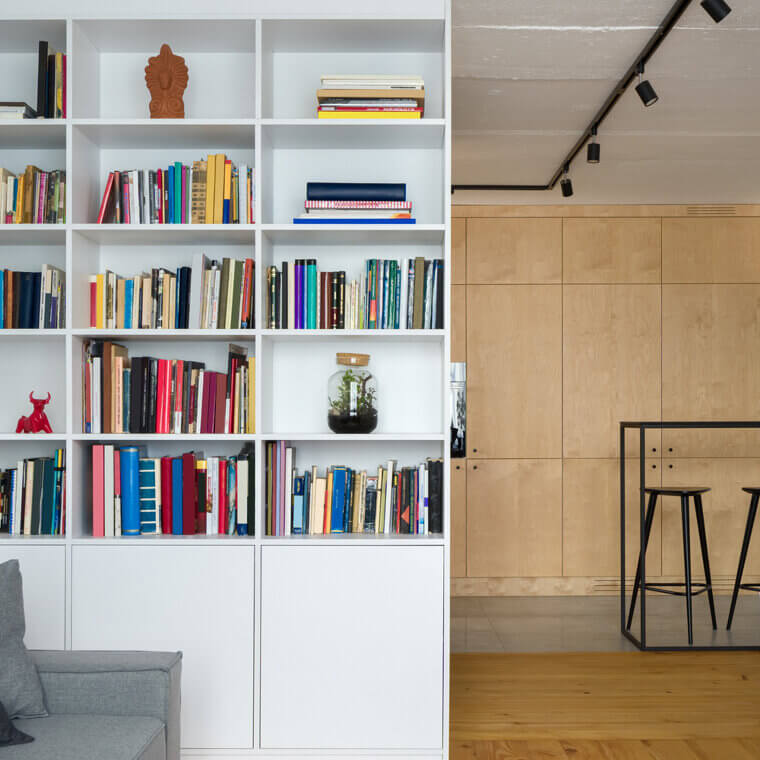
This trend reflects a growing desire for homes that feel personalized and reflect the owner's life and interests.
Stained Glass Windows
Artistic stained glass is allegedly being reintroduced into modern homes as a way to add color and privacy. Whether it is a small transom window over a door or a large statement piece in a bathroom, stained glass filters light in a beautiful, kaleidoscopic way. Modern designs often lean toward simpler, geometric patterns rather than the intricate floral scenes of the past.
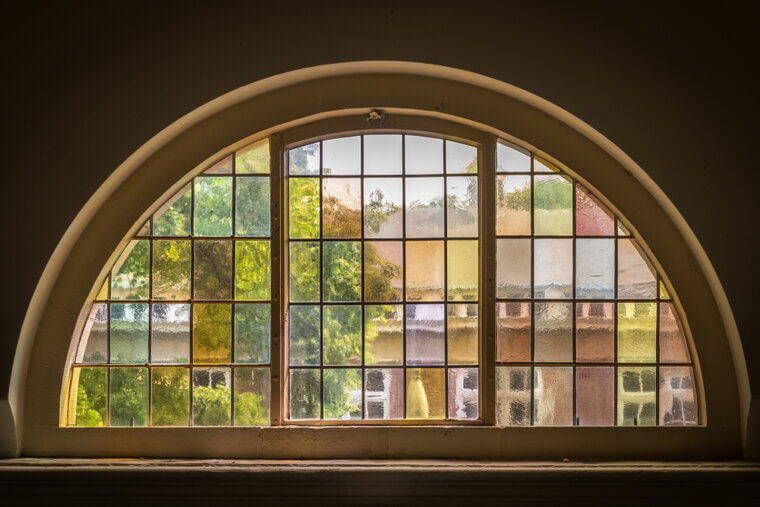
It is a fantastic solution for windows that look out onto a neighbor’s wall or a busy street. This classic feature adds a sense of handcrafted history and unique character to any standard room.
Animal Print Accents
Leopard, cheetah, and zebra prints are reportedly returning as "neutral" accents in sophisticated homes. When used sparingly—on a single ottoman, a set of throw pillows, or a small area rug—animal prints add a layer of texture and a touch of the "wild." They have long been a favorite of high-end interior designers for their ability to add excitement to a quiet room.
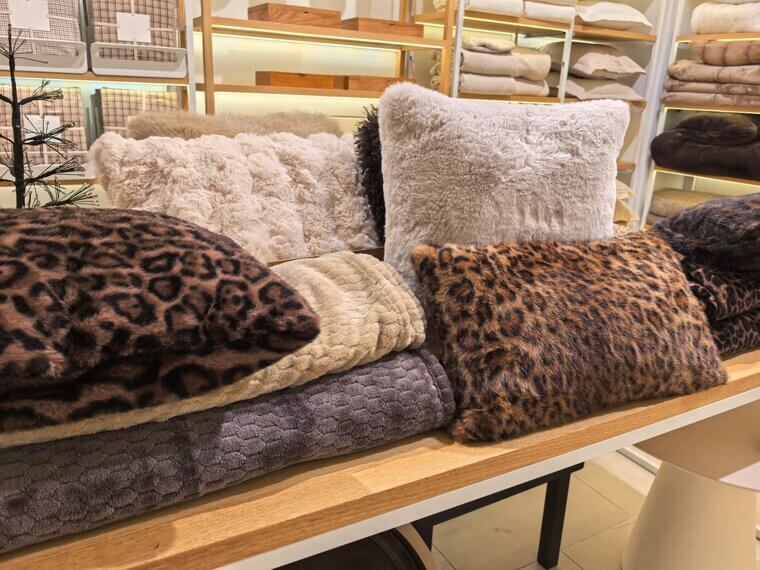
The key to the modern version of this trend is keeping the colors muted and the scale of the print balanced. It is a timeless way to add a bit of personality and chic flair.
Traditional Tapestries
Large-scale woven wall hangings are reportedly replacing minimalist gallery walls in many homes. These textile pieces add much-needed warmth and sound absorption to rooms with hard floors and high ceilings. Today’s tapestries often feature modern landscape scenes or abstract patterns, but even traditional medieval styles are seeing a revival in "eclectic" homes. They provide a soft, tactile focal point that feels more intimate than a framed painting.
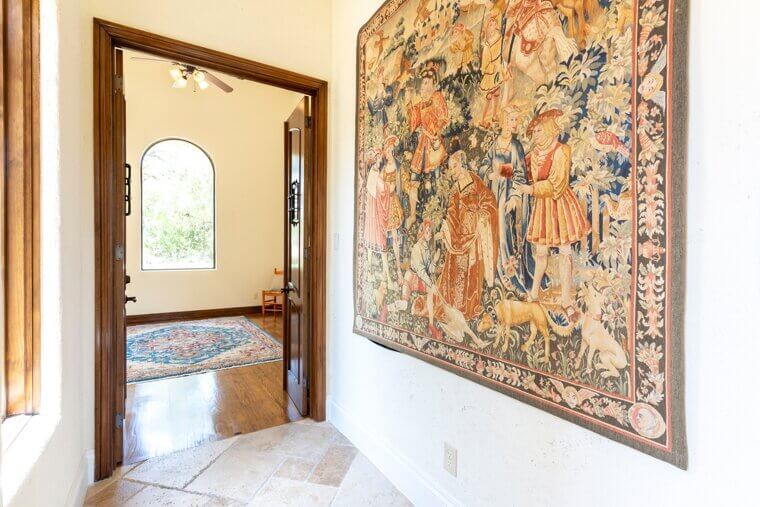
Many homeowners find that a tapestry is an easy way to fill a large, empty wall while making the entire room feel much more cozy.
Formal Dining Rooms
The era of the "open floor plan" where the kitchen and dining areas are one giant space is reportedly evolving. Many people are choosing to reinstate formal dining rooms to create a dedicated space for gathering and celebration. These rooms allow for more dramatic decor choices, like bold wallpaper or large chandeliers, that might feel too intense for an everyday kitchen.
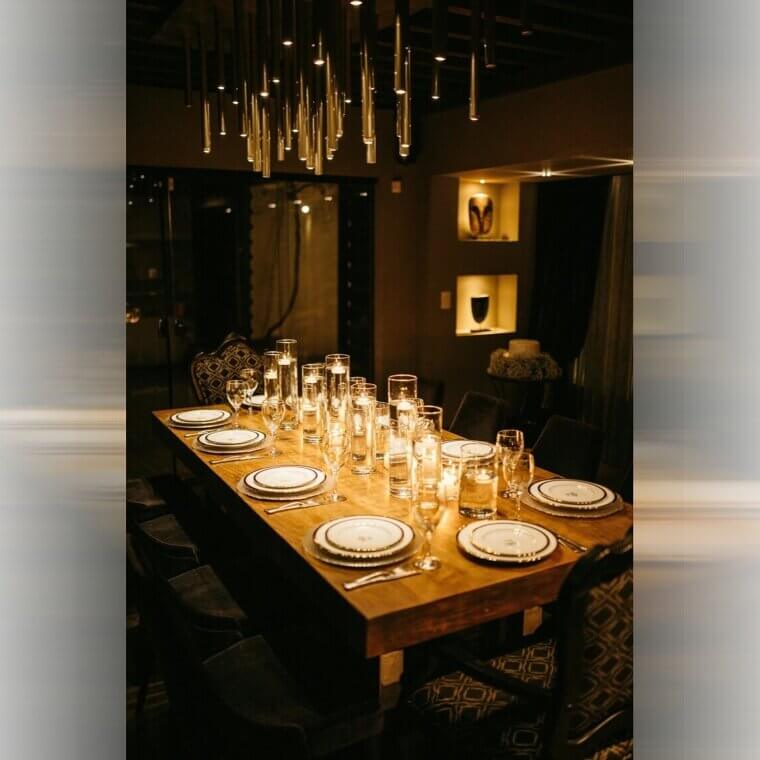
A separate dining room also provides a peaceful environment for long dinners away from the sight of dirty pots and pans. It marks a return to more intentional hosting and traditional family gatherings.
Gilded Mirrors
Ornate, gold-framed mirrors are allegedly appearing in both traditional and modern homes as a way to add instant elegance. These "heirloom-style" pieces act as jewelry for the walls, reflecting light and making rooms feel larger. Even in a very modern room, a vintage-style gilded mirror can serve as a stunning contrast piece that adds depth and history. Many people are placing them over mantels or in entryways to create a grand first impression.
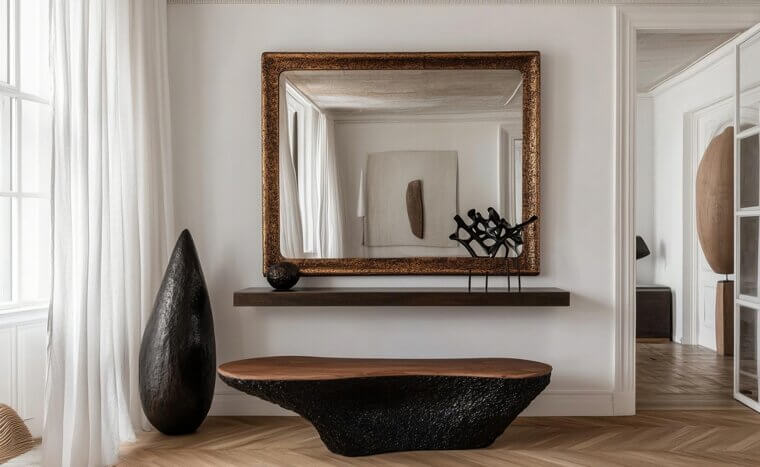
It is a classic design element that never truly goes out of style, but is currently enjoying a major peak in popularity.
Velvet Upholstery
The luxurious feel of velvet is reportedly a top choice for sofas and armchairs once again. This fabric is loved for its depth of color and its soft, inviting texture that looks better as it ages. Modern "performance" velvets are much easier to clean than the versions from decades ago, making them practical for homes with pets or grandchildren. A velvet piece in a deep jewel tone can act as the "anchor" for an entire room’s design.
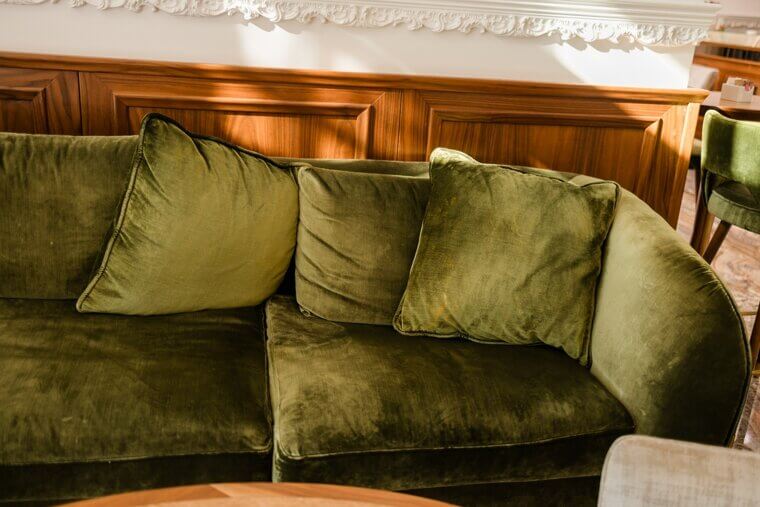
It adds a sense of comfort and high-end glamour that feels particularly appropriate for formal living areas or cozy bedrooms.
Butcher Block Countertops
Warm, wooden butcher block surfaces are reportedly returning to kitchens as a soft alternative to cold stone. These countertops provide a functional, "chef-inspired" look that feels much more approachable and "homely." While they require regular oiling, many people enjoy the process of caring for a natural material that actually looks better with a few signs of use. Wood is also much quieter than stone when setting down dishes, contributing to a more peaceful kitchen environment.
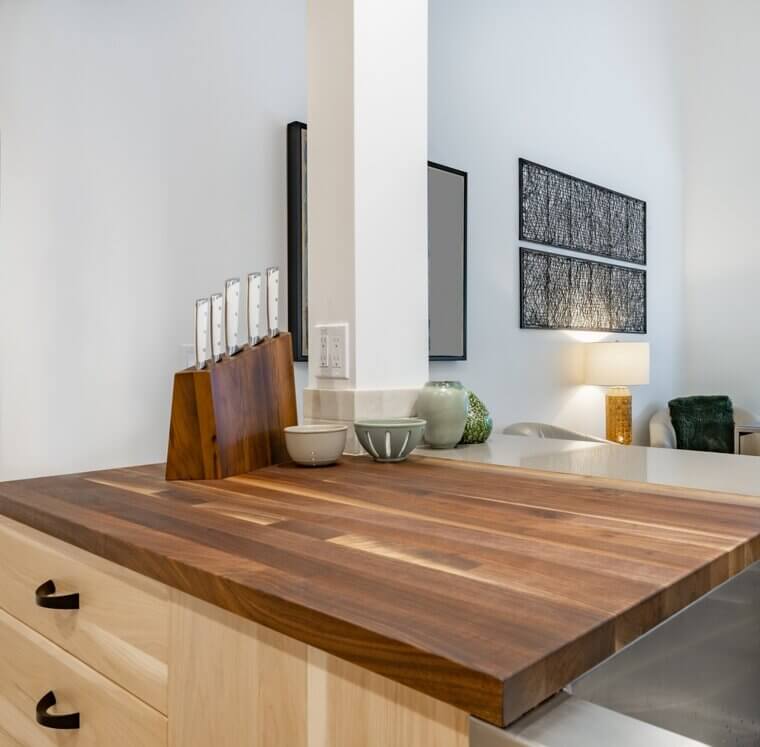
It pairs beautifully with white, green, or navy blue cabinetry, creating a classic, timeless aesthetic that feels warm.
Pedestal Sinks
In smaller bathrooms and powder rooms, the classic pedestal sink is reportedly reclaiming its territory from bulky vanities. These sinks offer a "cleaner," more architectural look that makes small spaces feel much more open and airy. While they offer less storage, they provide an opportunity to show off beautiful floor tiling or decorative plumbing. A pedestal sink in a traditional "porcelain white" finish is a timeless choice that fits perfectly in homes of almost any era.
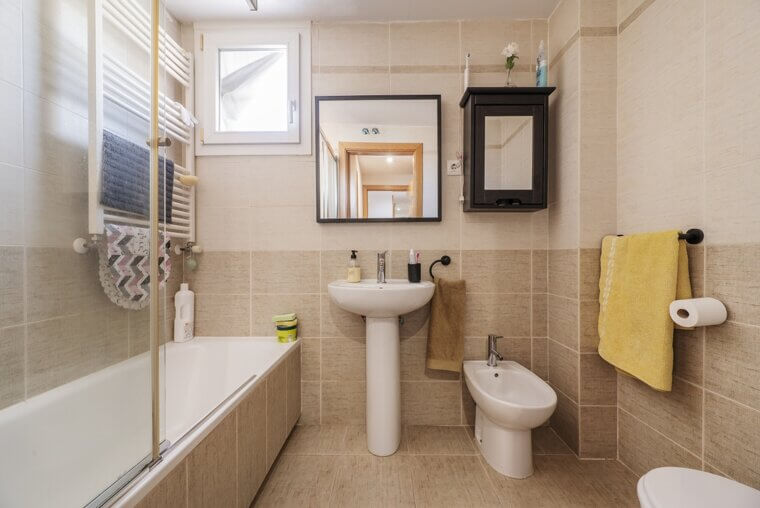
It is a simple, elegant fixture that adds a touch of vintage charm without taking up unnecessary visual space.
Mudroom Benches and Cubbies
The "organized entryway" is reportedly back as a priority for homeowners who want to keep clutter at bay. This trend harkens back to traditional farmhouses where a dedicated space for boots, coats, and bags was essential. Today’s mudrooms are often beautifully designed with custom cabinetry, durable tile floors, and built-in benches. They provide a functional "landing zone" that helps keep the rest of the house clean and calm.
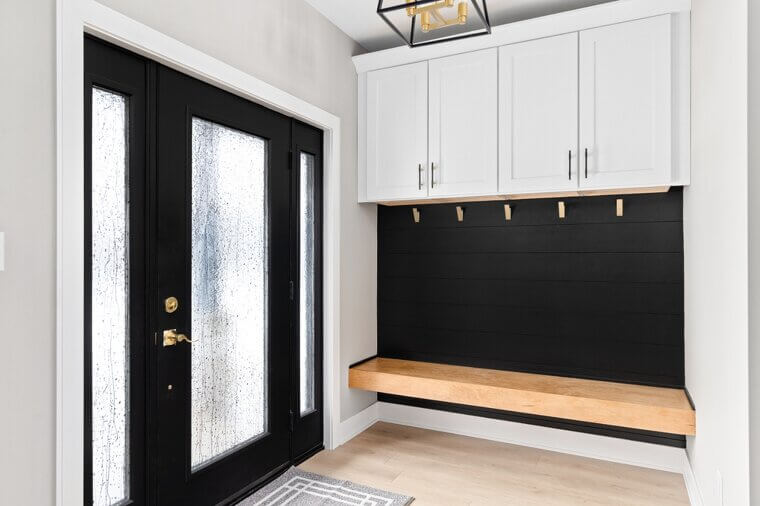
Even in homes without a dedicated room, many are adding "entryway nooks" with classic hooks and cubbies to recreate this organized, welcoming traditional feel.
Plaster Finishes
Smooth, hand-applied plaster walls are reportedly replacing flat drywall in high-end renovations. This ancient technique provides a subtle, "cloud-like" texture and a soft matte finish that feels incredibly high-quality. Plaster has a natural depth that catches the light beautifully, making even a plain white wall look interesting. It is also a very durable and "breathable" material, which can help regulate indoor humidity.
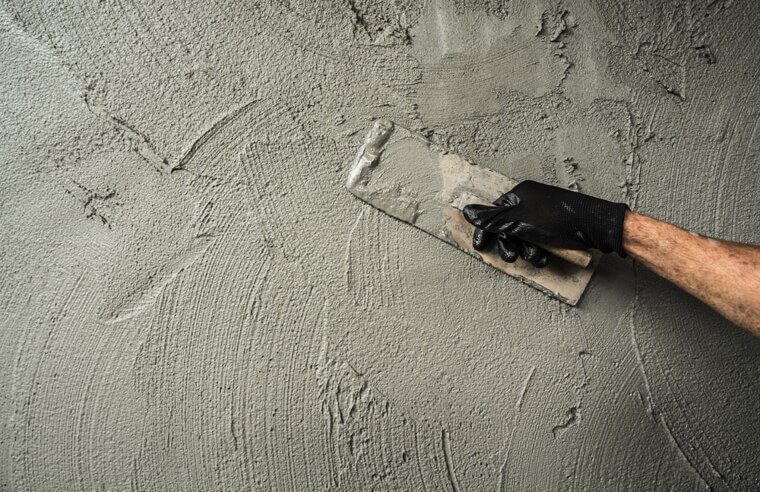
Many homeowners are choosing "Venetian plaster" for their main living areas to achieve a timeless, European-inspired look that feels grounded, organic, and far more substantial than simple paint.
Fluted Textures
Vertical "ribbing" or fluted details are allegedly appearing on everything from kitchen islands to glass cabinet doors. This texture, which traces back to classical Greek architecture, adds a sense of rhythm and sophistication to flat surfaces. It is a subtle way to add visual interest without using bold patterns or colors. In a bathroom, fluted glass provides privacy for showers while still allowing light to flow through.
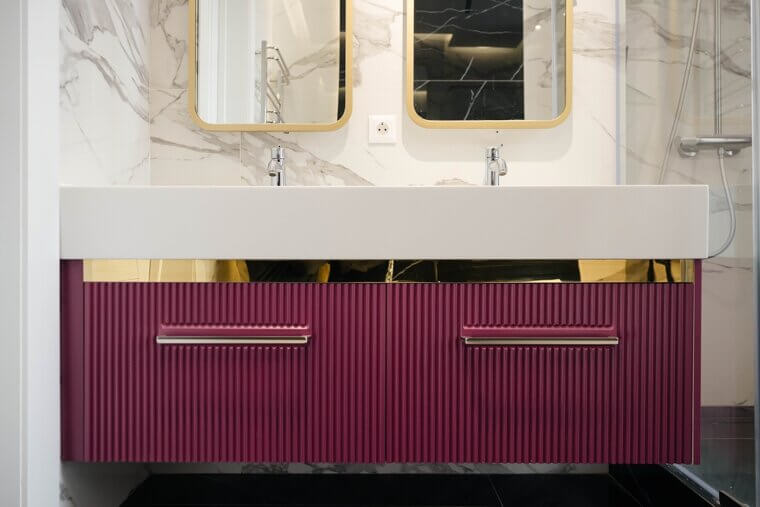
Designers love this trend because it works equally well in "Old World" traditional spaces and "Art Deco" modern homes, making it a versatile and enduring design choice.
Pocket Offices
As more people spend time working from home, the "pocket office" is reportedly replacing the large, dedicated home office. These are small, efficient workspaces tucked into unused corners, like under a staircase or inside a large closet. This trend reflects a shift toward "discreet" technology, where a desk can be hidden away when the workday is over. A pocket office allows for better focus while keeping the main living areas free of computer clutter.
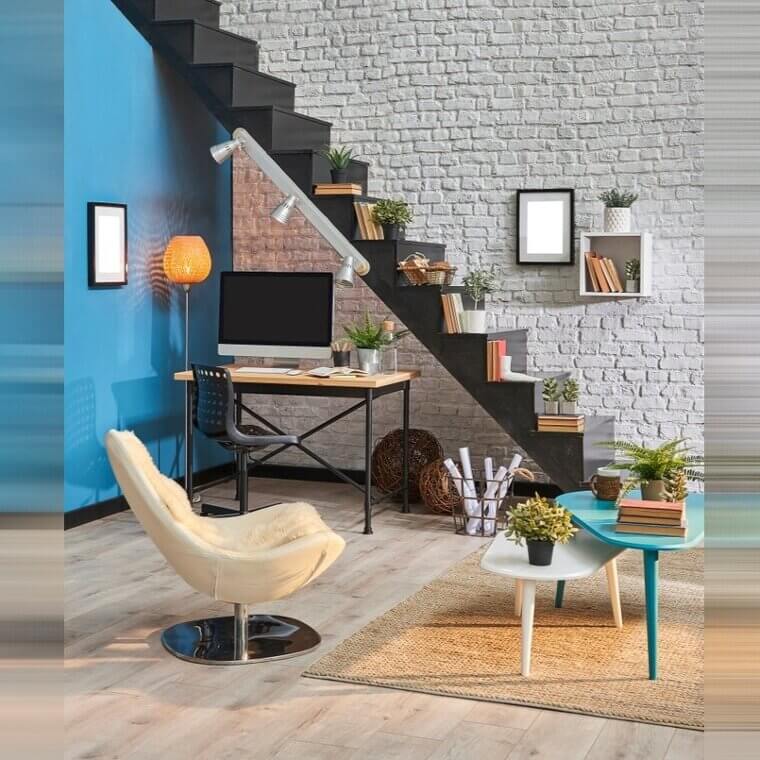
It is a clever use of space that prioritizes both functionality and the beauty of the home’s primary living zones.
Pleated Lampshades
The traditional pleated lampshade is reportedly returning to replace the simple, drum-shaped shades of the last decade. This small detail adds a layer of "finishing" and texture that makes a room feel more curated and expensive. Whether in a crisp white linen or a playful patterned fabric, a pleated shade softens the light and adds a touch of classic charm to a side table.
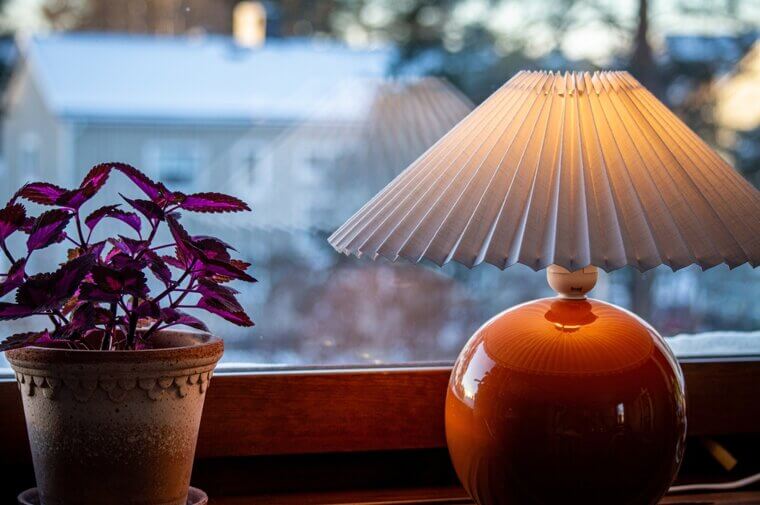
Many designers are using these shades to introduce a subtle "pop" of color or a traditional motif. It is an easy and affordable way to update existing lighting with a timeless look.
Earthy "Mocha" Tones
Brown is reportedly the "new neutral," with shades of chocolate, mocha, and latte replacing the cool grays of the past. These warm, grounding colors make a room feel cozy and secure. Unlike stark white, mocha tones are very forgiving and create a beautiful backdrop for art and natural wood furniture. Many people are using these shades in "tonal" rooms, where different layers of brown, tan, and cream are mixed to create a rich, sophisticated environment.
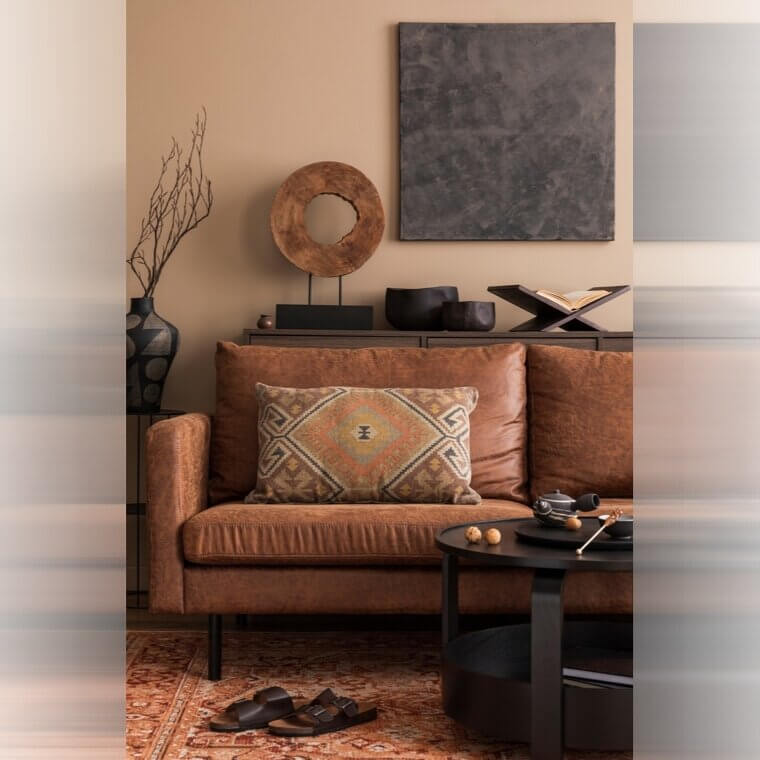
It is a return to the "comforting" palettes of the 1970s, but with a cleaner and more modern execution.