
Eliminating Mortgage Debt
"I realized I was working a job I didn't love just to pay for a house I was never in," says Sarah M., who built her $9,000 cabin. "Now, I own my home outright and my 'rent' is $0." This financial liberation is the primary driver for the movement. By cutting out the middleman—the bank—Sarah reclaimed her labor. Instead of forty years of interest, she invested six months of sweat equity.
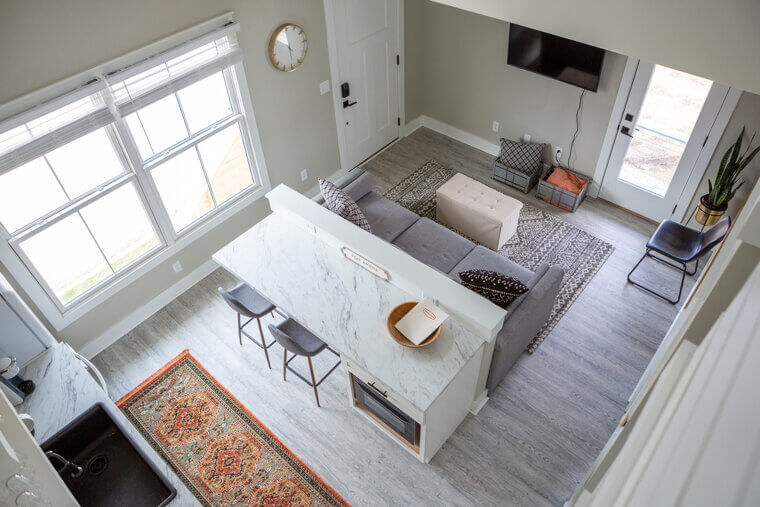
The result is a life where income is optional rather than an emergency. Freedom from a mortgage allows her to pursue passion projects that don't necessarily have to "pay the bills."
Prioritizing Experiences Over Possessions
"Tiny living is about valuing experiences over possessions," explains travel blogger Jen. "When your house costs $7,500, you have a lot more money for plane tickets." Jen’s home is essentially a high-end basecamp. By spending less than $10k on her structure, she diverted her savings toward a "bucket list" lifestyle. She argues that memories of hiking the Andes or seeing the Northern Lights provide more lasting satisfaction than a granite countertop ever could.
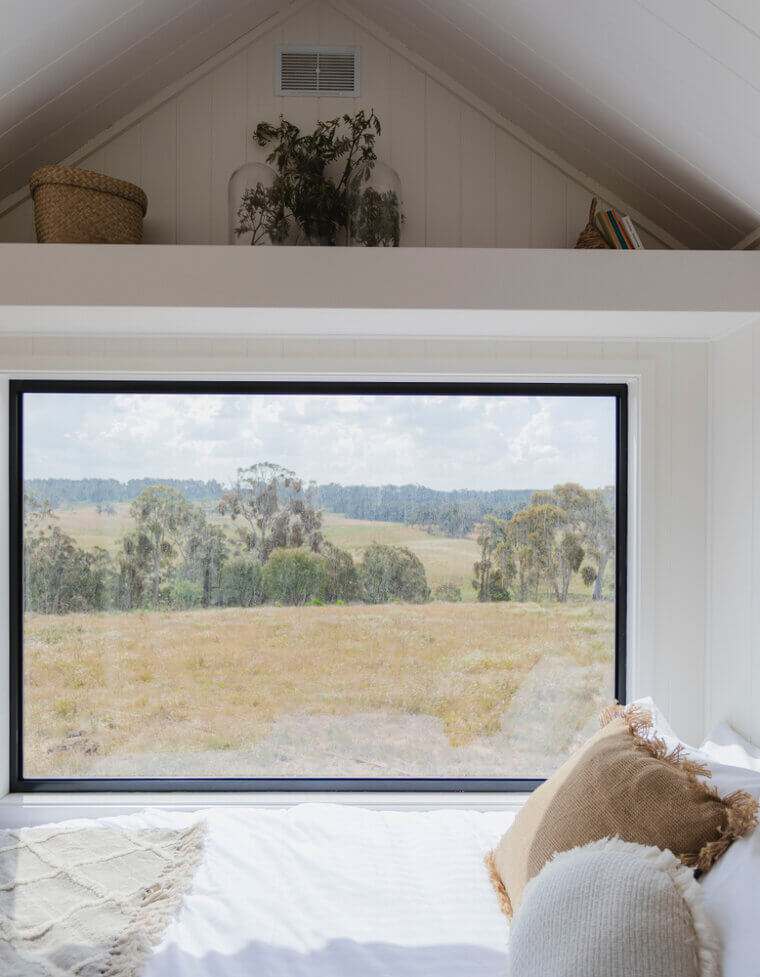
For Jen, the walls of her home are just boundaries for the sleep she needs between adventures, making the small footprint a logical trade-off for global access.
Reclaiming Time (and Money) From Maintenance
"A tiny house means less cleaning and more living," notes Bill Dickinson. Sweeping his entire home takes exactly 120 seconds, leaving his weekends free for hiking. In a conventional 2,500-square-foot home, the "hidden" cost is time. Mowing lawns, vacuuming endless hallways, and fixing leaky guest bathrooms can consume a dozen hours a week. Bill’s $8,500 build was designed to be low-impact and high-efficiency. With only 180 square feet to maintain, he has effectively "bought back" his Saturdays.
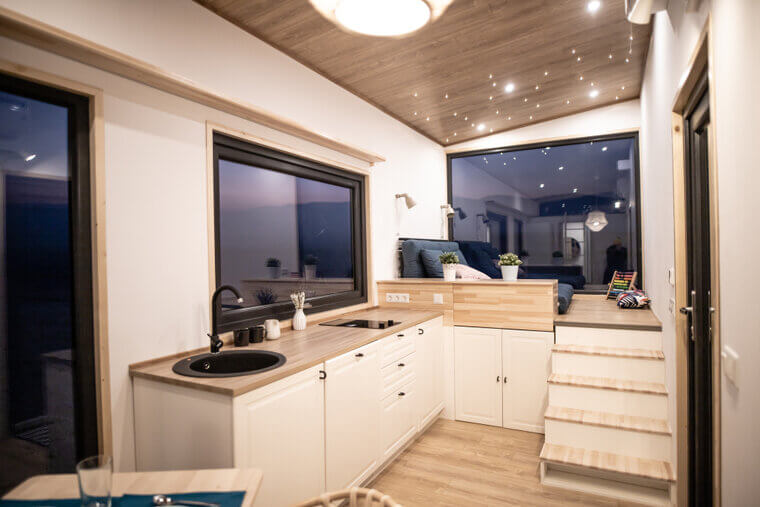
For him, the radical nature of the home isn't just the size, but the intentionality of his schedule.
Geographical Mobility
"I can just hitch it to a truck and drive it to a new location," says Nicolás Boullosa. This "house on wheels" lifestyle is the antidote to being "stuck" in one zip code. Nicolás spent $8,000 on a trailer-based build that allows him to follow the seasons. If a job opportunity arises in another state or a neighborhood loses its charm, he doesn't have to deal with real estate agents or closing costs.
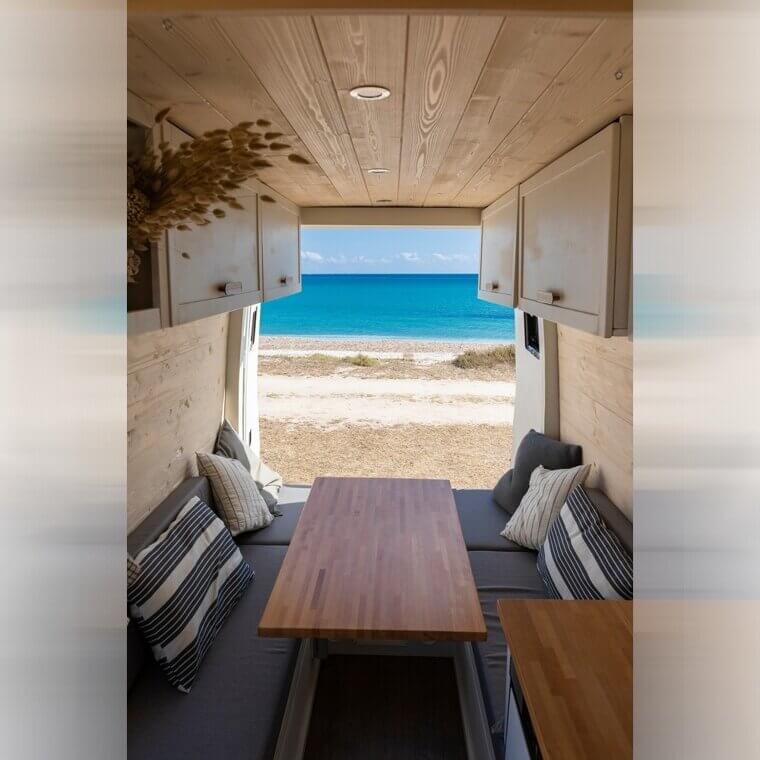
He simply secures his dishes, cranks up the leveling jacks, and moves. This mobility offers a sense of freedom that traditional homeownership, rooted in the ground, can never provide.
Investing in Quality Over Quantity
"Every item must earn its keep," says a resident of a $3,000 micro-cabin. If it isn't beautiful or useful, it doesn't cross the threshold. When your budget is $10,000, you can’t afford a massive house, but you can afford a $500 artisan-crafted front door or a $200 hand-forged handle. This radical shift in spending allows for a higher "quality per square inch" than any McMansion. Tiny dwellers often own fewer things, but the things they do own are of much higher quality.
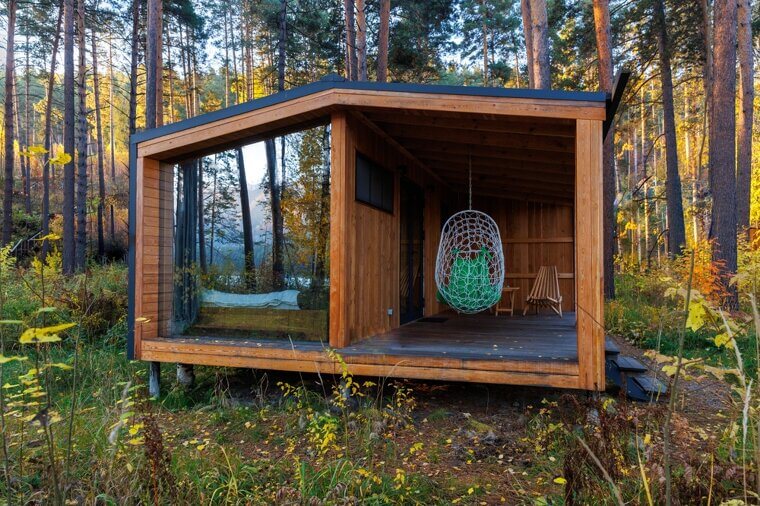
It’s a rejection of the "disposable" culture of IKEA and big-box retailers in favor of objects that last a lifetime.
Forced Outdoor Living
"You have to get out in the world to do your living," says Ryan Mitchell. Tiny homes act as a "bedroom," while the local park becomes the "living room." Ryan’s $9,000 home is purposefully small to encourage him to leave it. This is a radical reimagining of "property." Instead of owning a private acre, tiny dwellers treat the entire city or wilderness as their backyard. This leads to higher levels of Vitamin D, more social interaction, and a greater sense of belonging to a community.
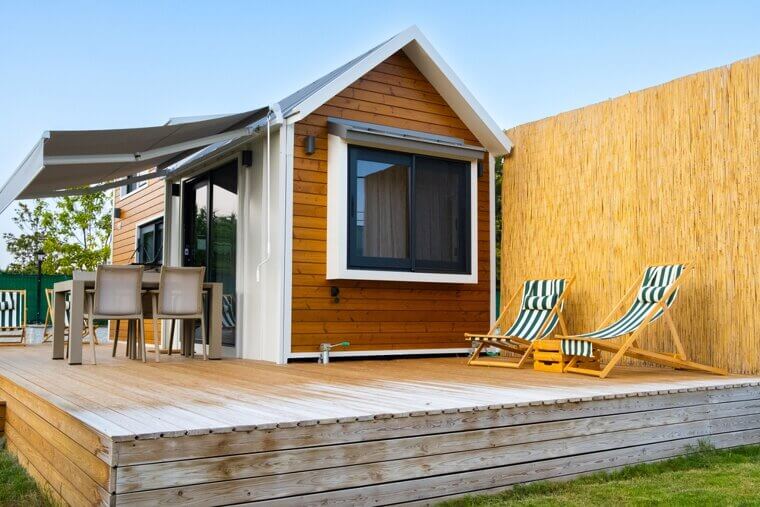
The home isn't a fortress to hide in; it’s a launchpad for a life lived largely outdoors.
Flexibility for Young Buyers
"It’s an attractive choice for first-time buyers priced out of the market," notes a real estate analyst. For $10k, a 22-year-old can be a homeowner. In cities where the average home price is $500,000, the "entry-level" home has vanished. The $10,000 tiny home is a radical grassroots solution to the housing crisis. It allows young people to build equity and stability without debt. Even if they eventually move into a larger home, the original tiny one can serve a purpose.
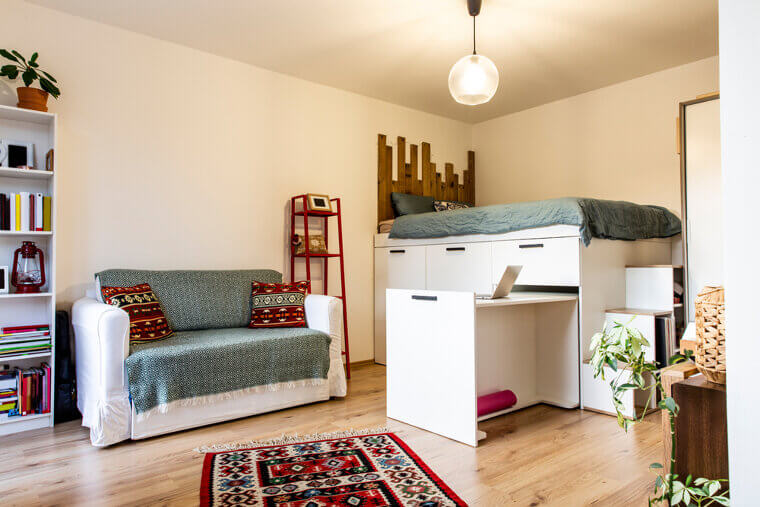
The tiny house can remain as a rental unit or a guest house, providing a lifelong financial asset that started with a small, manageable investment.
Building Affordable Communities With Luxury Amenities
"Tiny homes build a feeling of community," says an inhabitant of a tiny village. Shared fire pits replace individual fences. When you live in 150 square feet, you are naturally drawn toward others for social needs. This has led to the rise of "Tiny House Villages," radical experiments in co-living. By sharing expensive resources like laundry facilities, large kitchens, and tools, residents can keep their individual build costs under $10,000 while still enjoying "luxury" amenities.
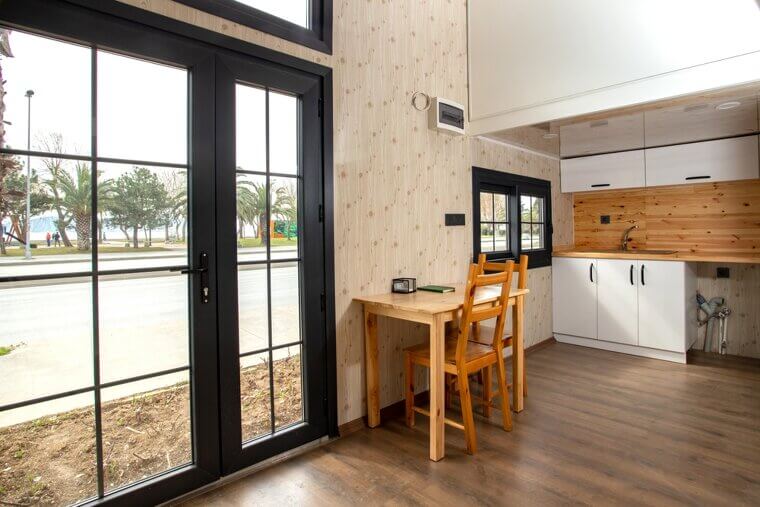
It’s a return to tribal living patterns, where the community is the primary support system, rather than the isolated nuclear family.
Aging in Place
"For older adults, it’s a low-maintenance option that makes aging easier," notes a retiree in a $9,500 cottage. Many seniors are trapped in large family homes they can no longer maintain. A $10,000 "granny pod" in a child's backyard is a radical solution for elder care. it provides the senior with autonomy and their own front door while keeping them close to family support. It’s a return to multi-generational living but with a modern, respectful twist.
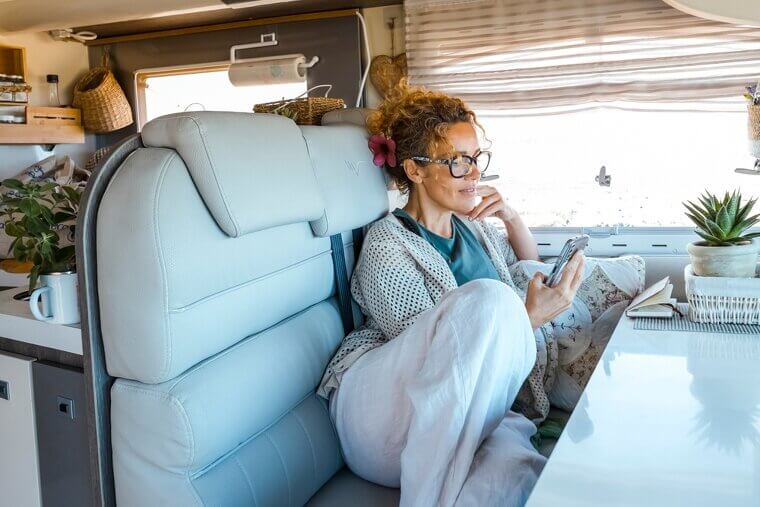
The low cost makes it accessible for those on a fixed social security income, ensuring dignity in their later years.
Avoiding the Debt Cycle
"Does it take an educated person to live within their means?" asks Macy Miller. For many, the $10k home is a high-IQ financial move. The "debt cycle" is a trap where we work to pay for the things that allow us to keep working. A car to get to work, a house to sleep near work, and clothes for work. The radical tiny house breaks this loop.
By capping housing costs at $10k, the resident can work part-time or take a lower-paying, more fulfilling job. It’s a radical math equation that results in the most valuable commodity of all: freedom.
Digital Nomadism
"This aligns perfectly with remote work," says a tech worker. A $10k home is the ultimate office with a view. With a Starlink dish and a solar array, a $9,000 tiny home can be a high-tech workspace in the middle of a national forest. This is a radical shift in the "office" concept. Why work in a cubicle when you can work from a handcrafted wood cabin by a stream?
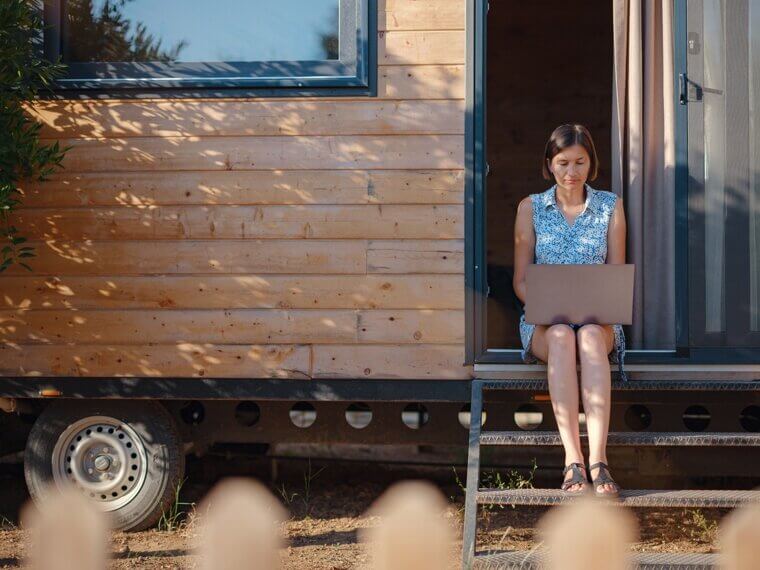
The low cost of the home allows for high investment in tech, making it the perfect vessel for the modern "knowledge worker" who wants to escape the city without leaving the economy.
Minimalist "A-Frame" Designs: Easy to Build With Zero Experience
"The steep roofline isn't just for looks; it's easy to build with zero experience," says a DIYer who spent $5,000 on a triangular cabin. The A-frame is the darling of the budget tiny home world because it eliminates the need for complex truss systems. It’s essentially two walls that lean against each other. This geometry is incredibly strong against snow loads and wind, making it ideal for rural retreats.
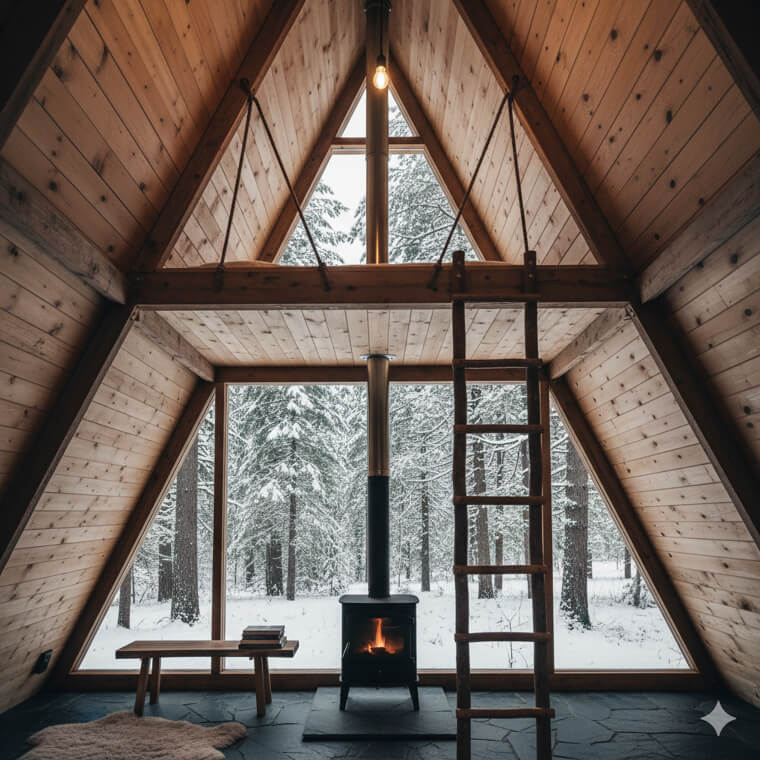
For a $5k budget, the A-frame offers a dramatic, high-ceiling feel that makes the tiny footprint feel much larger. It’s a radical design that prioritizes structural simplicity without sacrificing the "cool" factor.
Utilizing Shipping Containers
"It’s a steel box that’s already weather-tight," notes container-dweller Mike. A single 20-foot unit can be made livable for a $6,000 budget. Mike’s home is a testament to industrial upcycling. While cutting through Cor-Ten steel requires specific tools, the inherent strength of the container allows for radical modifications, like massive fold-out decks or glass walls. For under $10k, he secured a home that is virtually fireproof and pest-proof.
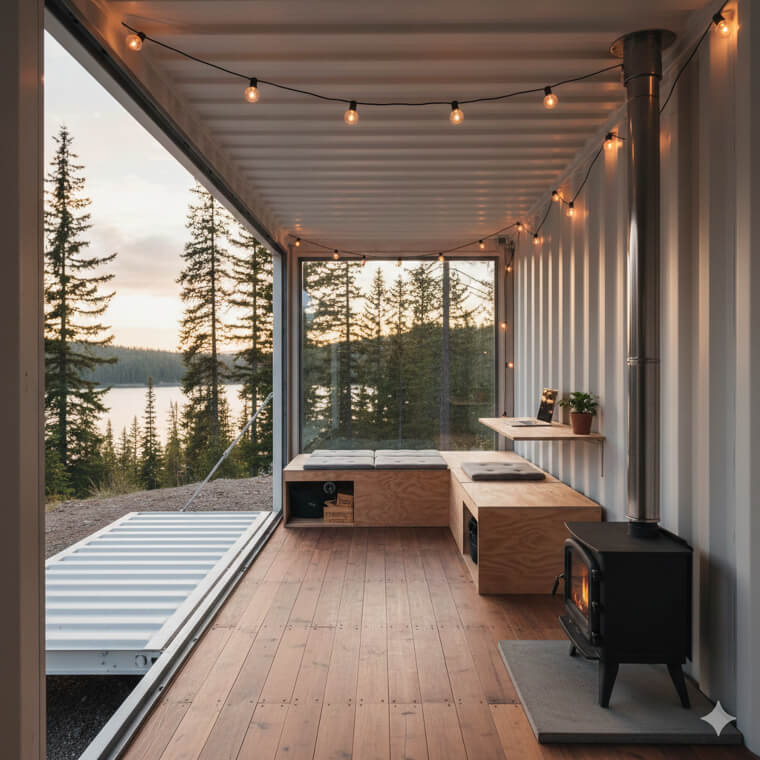
The container movement is a radical reimagining of global trade waste, turning the very vessels that carry our consumer goods into the permanent housing that helps us escape consumerism.
Passive Solar Heating
"By facing my large windows south, the sun does all the work," says solar enthusiast Chris. High-efficiency design saves money during the build and for years after. Chris built his "solar wedge" for $9,200, focusing his budget on high-quality triple-pane windows. By utilizing thermal mass—like a dark stone floor—to soak up the sun’s rays, he keeps his home at 70°F even when it’s freezing outside. This radical reliance on nature means his monthly heating bill is literally $0.
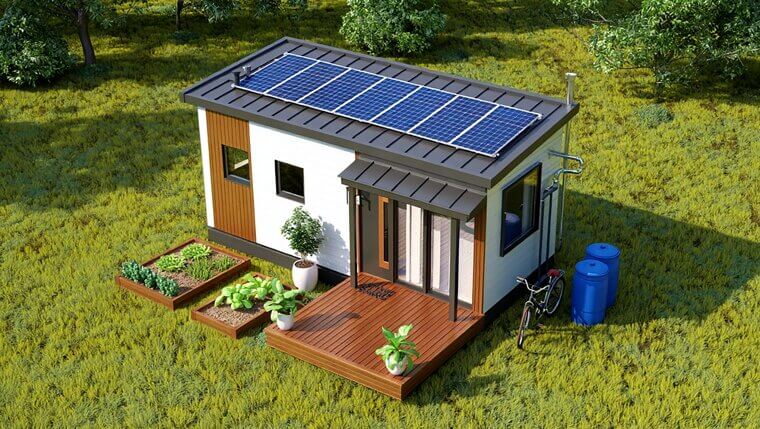
It’s a design philosophy where the house isn't just a shell, but a living machine that interacts with the environment.
The Downside: Navigating Zoning Laws
"The biggest challenge is finding a place to put it," admits Jenny Comperda. Legal gray areas often force tiny homes into rural patches of land. Jenny’s $7,000 home is perfect, but the bureaucracy is messy. Most cities have "minimum square footage" requirements that make 150-square-foot homes illegal. This has led to a radical underground movement of "stealth" tiny living. Residents often park in backyards or on agricultural land, navigating a complex web of "don't ask, don't tell."
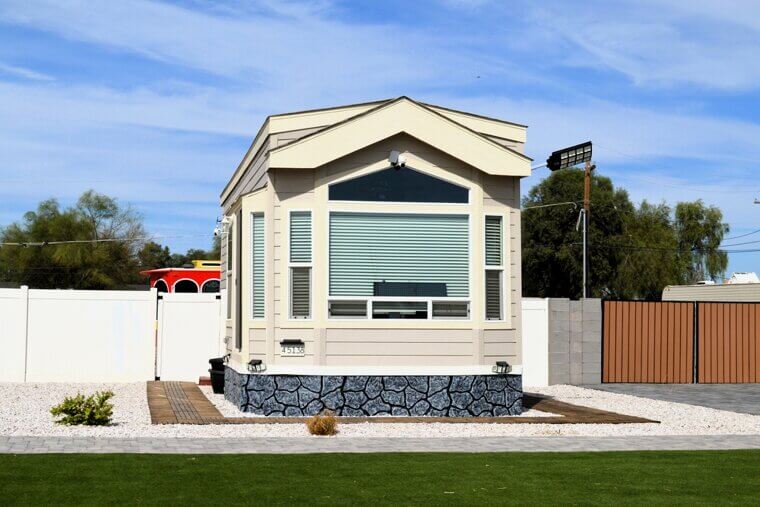
For Jenny, the struggle isn't the small space—it’s the fight for the legal right to live simply in a regulated world.
The Downside: The Lack of Privacy (inside the Home)
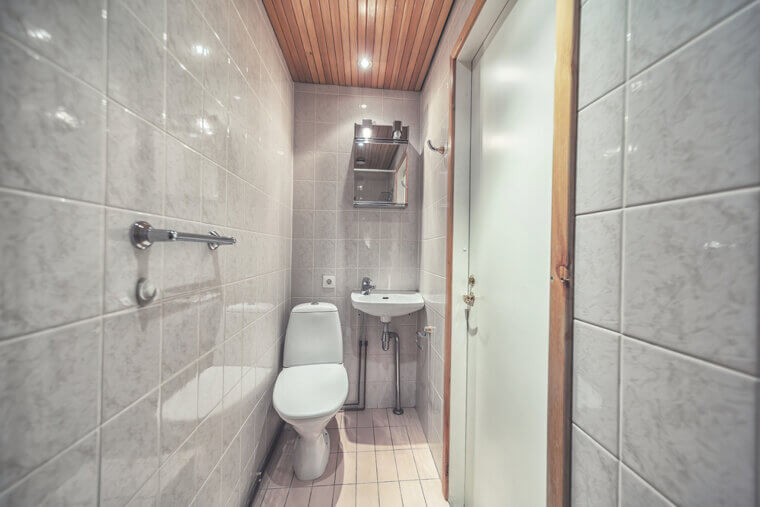
"We poop in front of each other," admits one blunt resident living with a partner. In 200 square feet, "alone time" is a luxury of the past. This is the unvarnished reality of the $10,000 tiny home. Sound travels instantly, and "walls" are often just curtains or thin plywood. Couples who choose this lifestyle have to develop radical levels of communication and emotional maturity. There is no "going to the other room" after an argument.
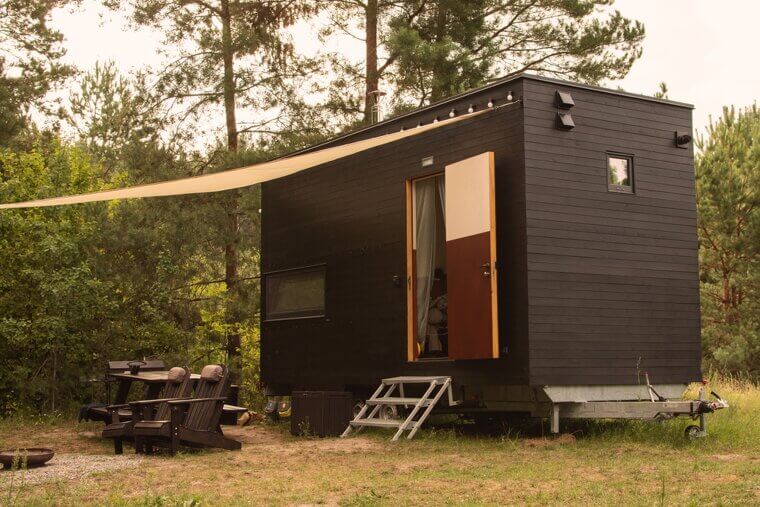
While difficult, many find that this forced proximity actually strengthens their relationship, stripping away the ability to hide or avoid conflict, and fostering a deep, unavoidable intimacy.
The Downside: The Complexity of Utilities
"I have to push the shower water into the drain because it's slightly off-kilter," explains one resident. Plumbing in a tiny space requires constant "MacGyvering." When your home costs less than $10k, you likely did the plumbing yourself. Small houses on wheels often shift, meaning drains don't always slope perfectly. Managing "greywater" (sink water) and "blackwater" (waste) becomes a daily chore rather than a hidden utility. This radical involvement in one’s own waste management isn't glamorous.
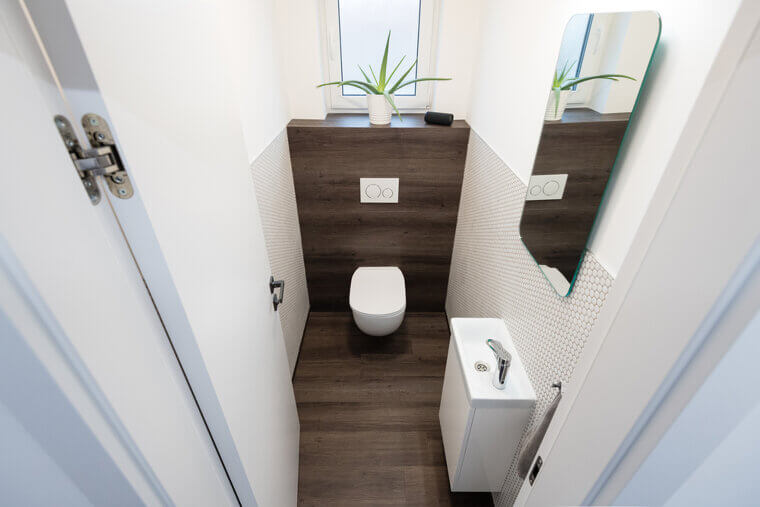
But it creates a profound understanding of resource consumption. You quickly learn how much water a "quick" shower actually uses when you have to carry it.
The Downside: Dealing With the Elements
"The whole thing shakes when the air conditioner is on," says Junod. Without the thermal mass of a large house, you feel every gust of wind. Junod’s $8,500 home on wheels is susceptible to the environment in ways a 50-ton house isn't. High winds can be terrifying, and heavy rain sounds like a drum solo on a metal roof. However, this radical connection to the weather is also what residents love.
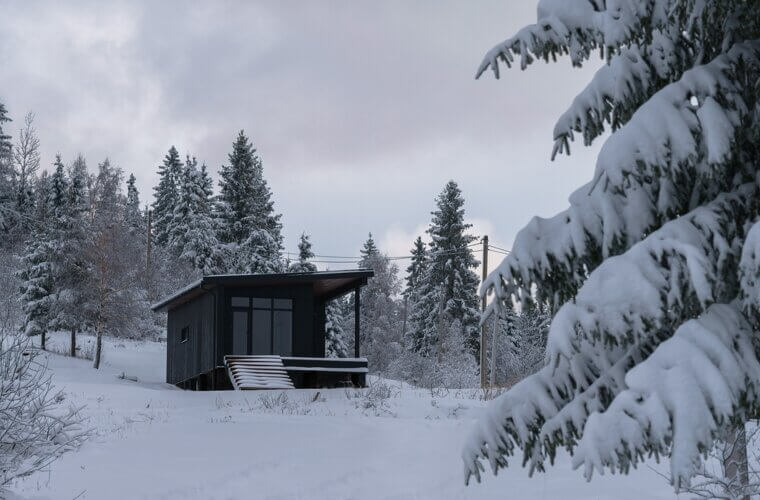
You aren't "sealed off" from the world; you are part of it. When it thunders, you feel the power of the storm, making the home feel like a cozy, vibrating sanctuary.
Multi-Functional Furniture
"Our table becomes a bed, which becomes a desk," says a $10k builder. Every square inch is a puzzle. This radical engineering is necessary when space is at a premium. These homes often feature "transformer" furniture that would make a Swiss Army knife jealous. A staircase isn't just a way to get to the loft; it’s a series of dresser drawers. A mirror is also a fold-down dining table.
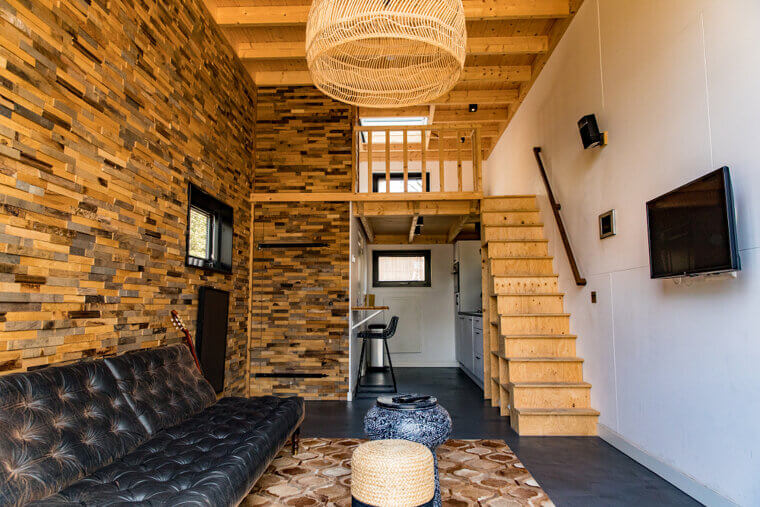
This design challenge makes living in a tiny home feel like a game, where the reward for cleverness is more usable space. It’s a radical reimagining of how objects function.
Escaping the "More Is Better" Trap
"It’s an un-making project," says tiny house pioneer Dee Williams. "I wanted to see what it would be like to live with less, even if it meant a little discomfort." Dee’s philosophy challenges the core of the American consumerist psyche. For many, the $10,000 home is an exercise in "voluntary simplicity." It forces the resident to confront their attachment to "stuff." When you only have room for three pairs of shoes and ten books, those items become sacred.
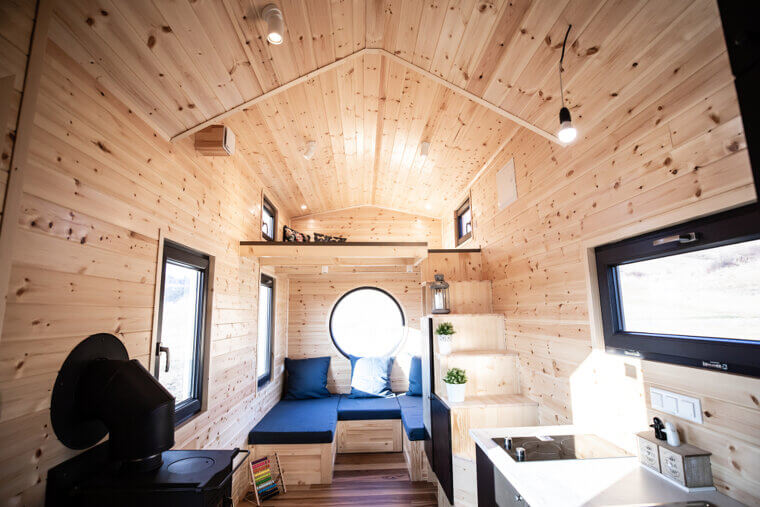
This radical downsizing often leads to a profound shift in identity, moving away from "what I own" toward "who I am."
Redefining Success
"The tiny house movement is about redesigning your life," concludes a long-term resident. Success is measured in free time, not square footage. This is the most radical aspect of the movement. It challenges the "American Dream" of "more, bigger, faster." By choosing a $10,000 home, these residents are stating that a successful life is one that is lived on one's own terms, free from the crushing weight of debt and the clutter of excess.
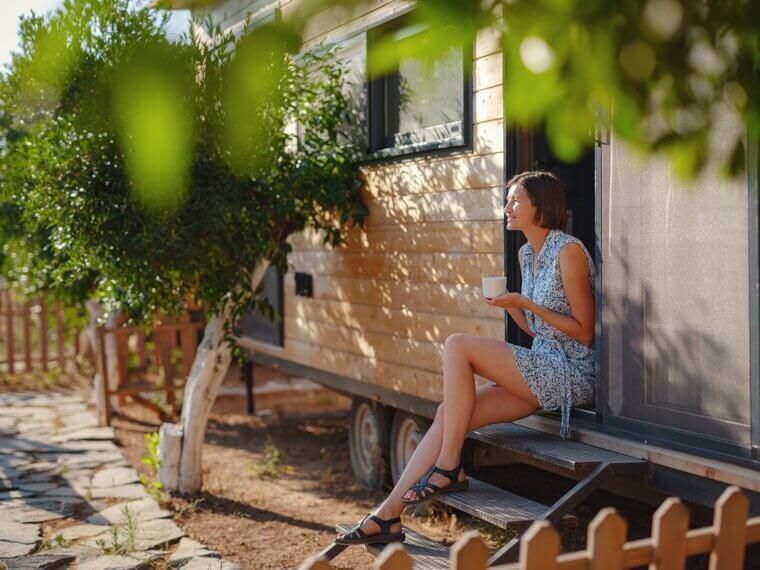
It’s a tiny revolution, one 150-square-foot house at a time, proving that the best things in life aren't "things" at all.
Focus on Mental Clarity
"Many residents emphasize the mental clarity that comes with decluttering," says Elizabeth of the 'Little Nook' home. Less visual noise leads to a quieter mind. Elizabeth’s $6,000 DIY project was designed with "white space" in mind. In a world of digital and physical clutter, her tiny home acts as a sensory deprivation tank for stress. By removing the "background hum" of chores and organizing, she found that her creative output tripled.
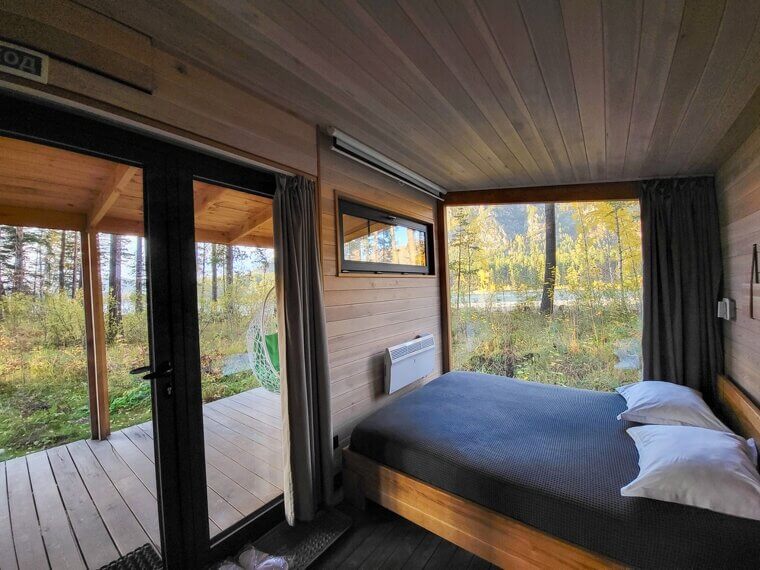
The radical simplicity of the architecture serves as a framework for a more focused, meditative life, proving that space is often the enemy of thought.
Environmental Stewardship
"A typical home emits 28,000 lbs of CO2; mine emits about 2,000," says eco-builder Ryan. For many, going tiny is the ultimate vote for the planet. Ryan built his home using mostly reclaimed timber and sheep's wool insulation, keeping his build cost under $9,000. The environmental impact of a home isn't just in its operation, but its "embodied energy"—the carbon cost of manufacturing its materials.
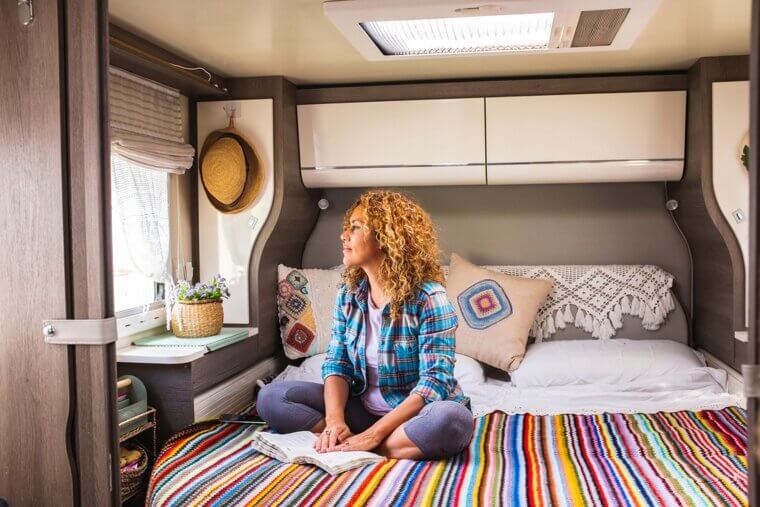
By using a fraction of the steel and concrete required for a standard house, Ryan’s home is a functional protest against climate change. Living small is the most effective way to reduce one's carbon footprint.
Radical Self-Sufficiency
"There is a power in knowing exactly where your water comes from and where your waste goes," says off-gridder LaMar Alexander, who built a 14x14 solar cabin for under $2,000. LaMar’s approach is a masterclass in radical frugality and engineering. By bypassing city infrastructure, he eliminated monthly utility bills entirely. His lifestyle is a throwback to homesteading but with modern solar technology. This level of autonomy provides a psychological safety net.
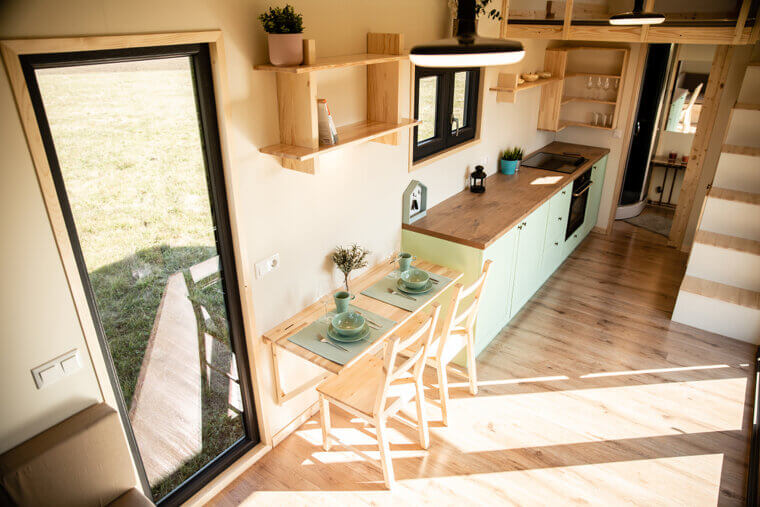
Even in a total economic downturn, LaMar has heat, light, and shelter. His $2k investment didn't just buy a building; it bought a lifelong insurance policy against the grid.
Upcycling Reclaimed Materials
"I kept costs down by using reclaimed materials and doing the work myself," says a father who built a family tiny home for under $8,000. This build utilized "trash" to create a treasure. From discarded shipping pallets for flooring to windows salvaged from a demolished schoolhouse, every piece has a history. This approach requires more time and "scavenger" skills than a traditional build, but it keeps the budget firmly under $10k.
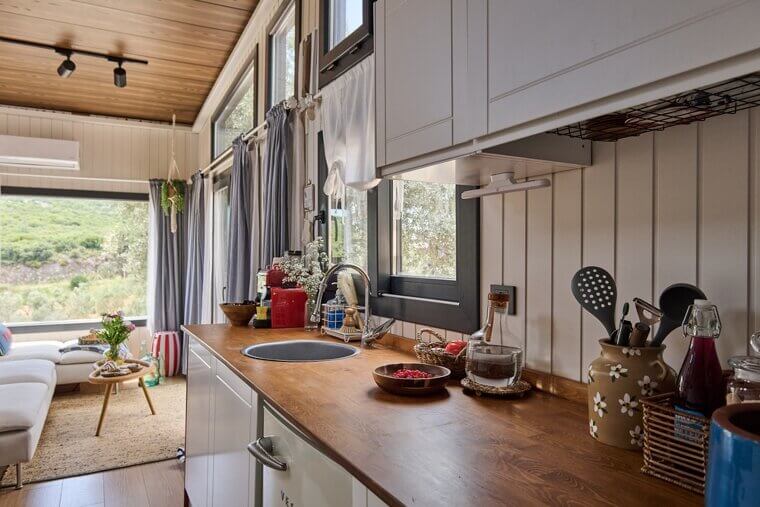
It also results in a home with more character and soul than a cookie-cutter suburban house, where every scratch in the reclaimed wood tells a story of its previous life.
The Prefab Shed Conversion
"We had to get creative," says Kellie Dyer. By converting a standard garden shed into a livable home, she saved tens of thousands in labor and framing. Kellie purchased a shell for $4,000 and spent another $4,000 on insulation, solar, and a loft. This "hack" is one of the most popular ways to enter the tiny home market on a shoestring budget. Because the structural work is already done, the builder can focus on the "fun" part: interior design and livability.
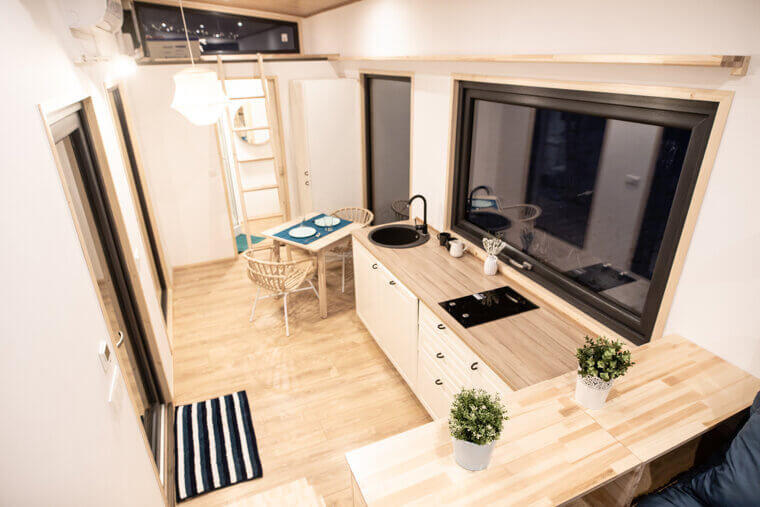
It’s a radical shortcut that bypasses the need for advanced carpentry skills while still providing a solid, weather-tight roof.
Creating a Custom Studio
"As creative artists, we use the space as a workspace and photo studio," says Dave. Tiny homes allow for highly specific, specialized layouts. Dave spent $9,500 on a build that would be useless to a family of four but is perfect for a photographer. Because the cost is so low, you can design the entire structure around a single purpose. He doesn't have a "living room"—he has a darkroom. He doesn't have a "dining table"—he has a light table.
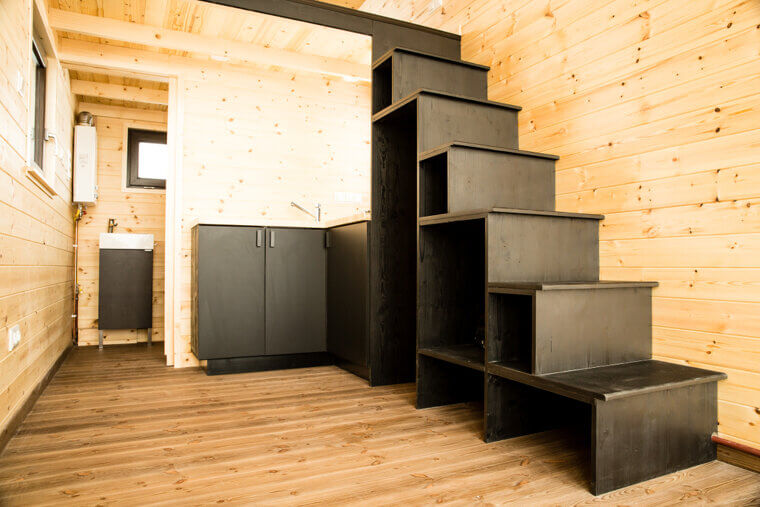
This radical customization means the home supports his vocation perfectly, proving that a house should be a tool for your life's work.
Designing to Enjoy the "Now"
"Tiny houses open up the freedom to do things not just later on, but now," says an early retiree. Why wait for 65 to live simply? Most people spend 30 years paying for a house, only to downsize once they retire. The radical tiny house builder skips the middle 30 years. By spending $10,000 in their 20s or 30s, they achieve the "retirement" lifestyle of freedom and low overhead decades early.
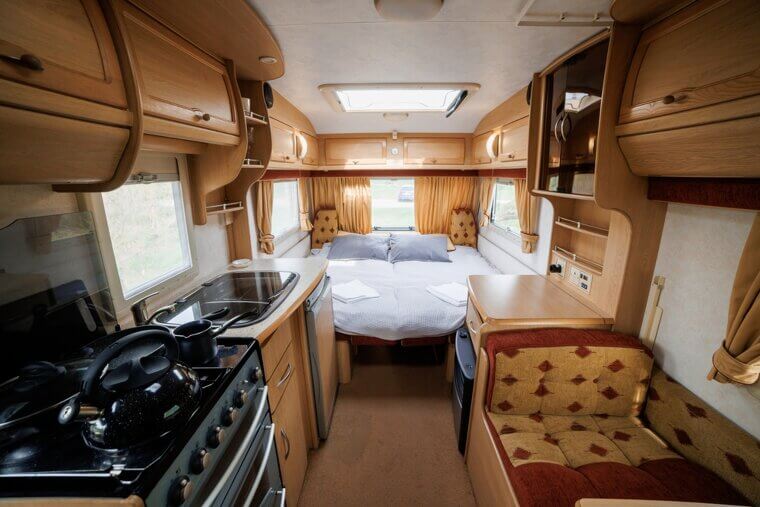
This shift in the timeline of life allows for more risk-taking, career changes, and travel while the resident is still young enough to fully enjoy it.
Healthier Living Materials
"A home free from toxic substances reduces allergies," says a builder who used zero-VOC paints and natural wood for a $7,500 build. In a massive house, using all-natural materials is prohibitively expensive. In a tiny house, the volume of material is so small that you can afford the best. This radical focus on "biophilic" design—using materials that are healthy for humans—results in better air quality and sleep.
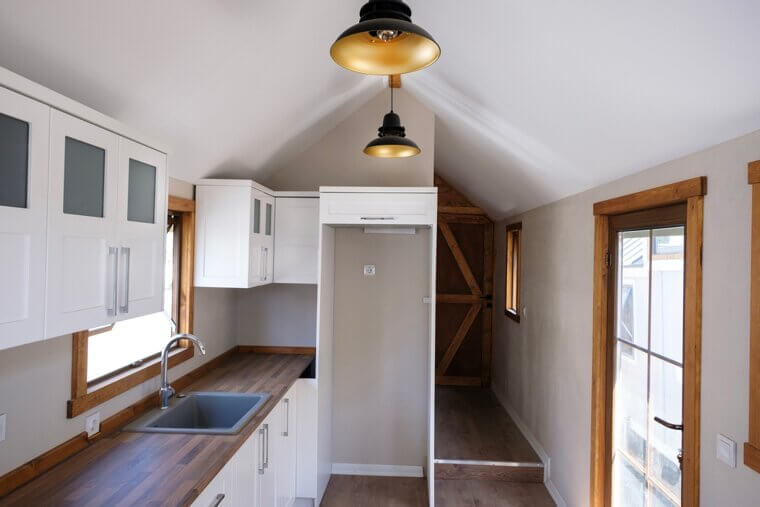
Dwellers often report that their chronic headaches or respiratory issues vanish after moving out of "off-gassing" suburban drywall boxes and into their small, hand-crafted timber sanctuaries.
The "Human-Sized" Dwelling
"Creating human-sized dwellings is the only way we can house people sustainably," argues a modern architect. The radical idea here is that we have "over-housed" ourselves. Just as we don't need a semi-truck to go to the grocery store, we don't need 3,000 square feet to sleep and eat. A $10,000 home is "human-scaled"—everything is within arm's reach. This creates a sense of coziness and security that large, echoing rooms cannot replicate.
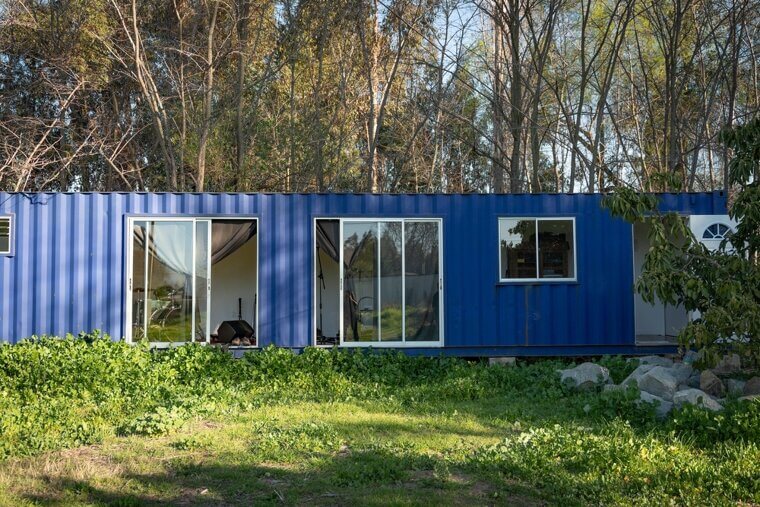
It’s an architectural "hug," a radical return to the scale of our ancestors' cottages, where the space fits the occupant perfectly.
Artistic Expression
"A tiny house is a canvas for personal expression," says an owner who painted their $4,000 cabin bright magenta. When your house isn't an "investment" that needs to appeal to a future buyer, you can do whatever you want. This radical creative freedom leads to homes shaped like boots, painted in wild colors, or filled with stained glass. For under $10k, these owners are building "folk art" that they also happen to live in.

It’s a rejection of "resale value" as a guiding life principle, replaced by the joy of living in a space that truly reflects your soul.
Simplicity as Sophistication
"Small rooms discipline the mind," a quote often cited by those choosing the 10x10 lifestyle. This radical philosophy suggests that physical boundaries create mental focus. When you have no room for distraction, you are forced to engage with your thoughts or your work. The $10,000 tiny home is the ultimate "monk's cell" for the modern age. It’s a sophisticated choice to limit one's options in order to deepen one's experiences.
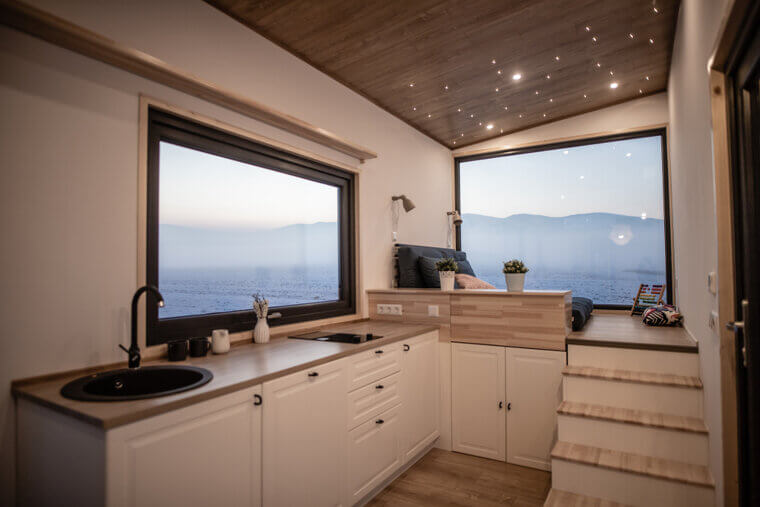
Many writers and artists find that the "discipline" of the tiny space leads to their most profound breakthroughs, proving that limitation is the mother of creativity.
Learning New Skills
"I had no prior building experience... I simply had the desire and the patience," says a DIYer who built his forest cabin for $500. This is the radical "democratization" of construction. For less than $10,000, anyone with a YouTube account and a drill can become a builder. The process of constructing your own home creates a level of confidence that is life-altering. You learn how electricity works, how to join wood, and how to solve problems on the fly.
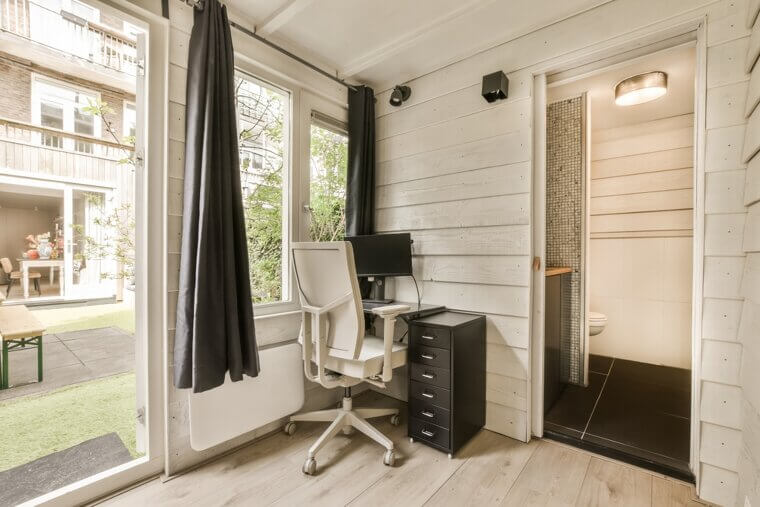
This radical self-reliance stays with the resident long after the house is finished, transforming them from a "consumer" into a "creator."
Scaling Down Wants
"Not wanting something is as good as possessing it," notes a minimalist who traded a mansion for a $9k micro-home. This radical psychological shift is the "secret sauce" of the movement. When you stop wanting the newest gadget or the bigger TV because you literally have nowhere to put it, your stress levels plummet. The $10,000 home is a physical barrier against the marketing machine that tells us we are "never enough."
It’s a radical "no" to the world, which allows for a much more powerful "yes" to one's own internal peace.
Social Stigma
"Many assume you are lower income or unemployed," says Macy Miller. Breaking the stereotype of "poverty" vs. "intentional minimalism" is a constant battle. Macy, an architect, built her stunning home for $11,000 (just over our limit, but her $2,000 porch was an "extra"). She often encounters people who think she lives in a tiny house because she has to, not because she wants to.
This radical choice to live small is often seen as a failure of the American Dream rather than an evolution of it. Fighting the "it’s just a trailer" stigma is a part of every tiny dweller’s social life.