
Carpeted Bathrooms: The Ultimate Hygiene Nightmare
Back in the 1980s, many homeowners thought wall-to-wall carpeting in the master bath was the height of luxury and comfort. It felt soft underfoot on chilly mornings, but the practical reality was a total disaster. Carpet in a high-moisture environment is a breeding ground for mildew and unpleasant odors that no vacuum can truly reach. Reportedly, this is now considered one of the top must-removes for home buyers today.
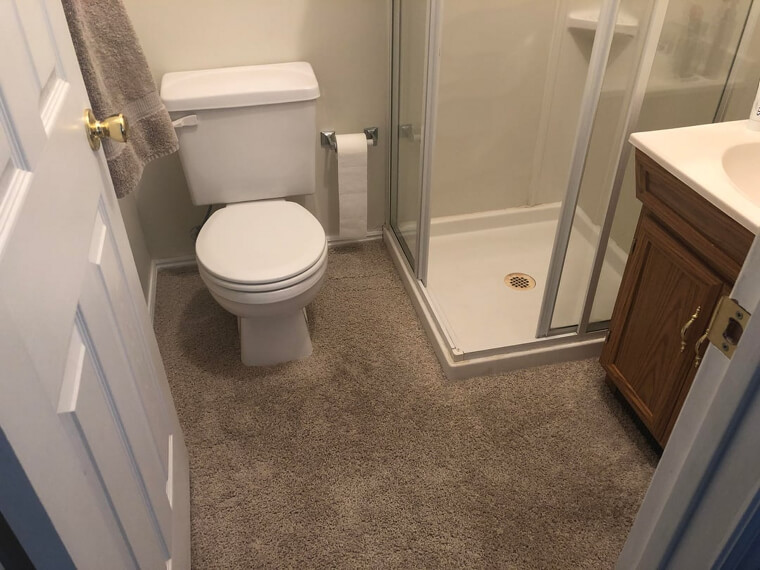
Most people are finally ripping out these soggy fibers in favor of clean, waterproof porcelain tiles or modern luxury vinyl planks that handle humidity much better than fuzzy beige nylon.
Popcorn Ceilings: The Acoustic Texture That Traps Dust
The bumpy popcorn or cottage cheese ceiling was ubiquitous from the late 1970s through the 90s because it was a cheap way to hide imperfections in the drywall. Unfortunately, these textured surfaces are notorious for catching every speck of dust and cobweb in the room, making them a nightmare to keep clean. They also make a room feel smaller and more dated by casting tiny shadows across the ceiling.
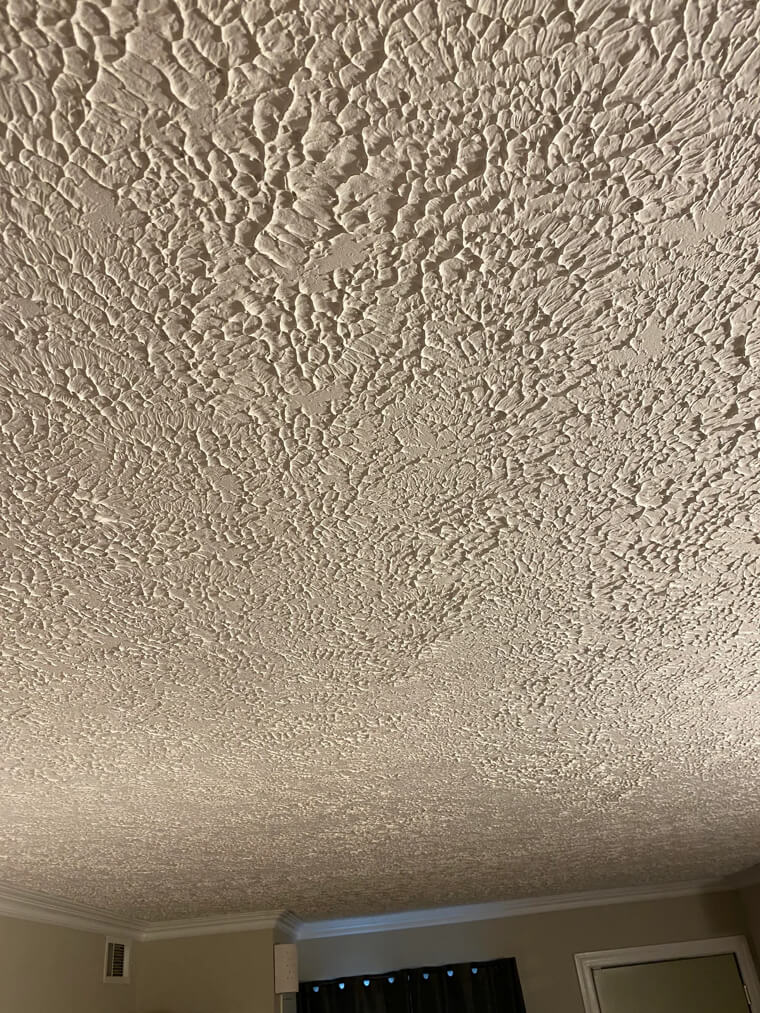
Homeowners are now meticulously scraping these away to achieve a smooth, bright, and modernized look that reflects light rather than absorbing it into dusty crevices throughout the entire room.
Tuscan Kitchens: Too Much Heavy Stone and Faux Plaster
In the early 2000s, everyone wanted their kitchen to look like a rustic villa in Italy, complete with dark cabinetry, ornate wrought iron, and heavy travertine backsplashes. This Tuscan look often featured deep golds, burnt oranges, and faux-painted aged walls that were meant to feel warm. While it felt cozy at the time, many now find the aesthetic too heavy, dark, and cluttered for modern tastes.
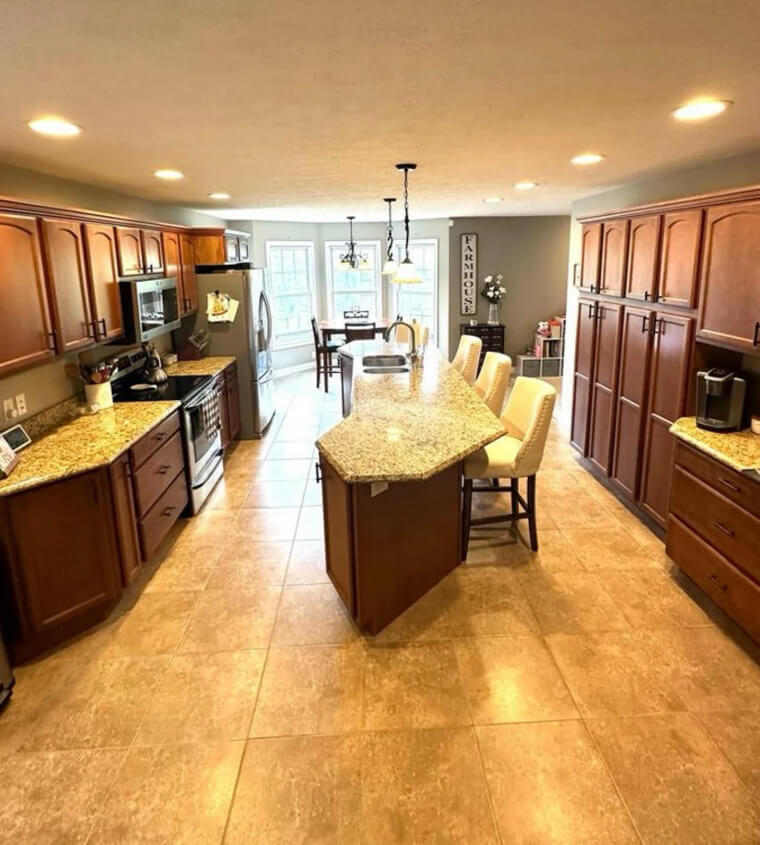
Homeowners are allegedly trading in the chunky corbels and grape-themed accents for lighter colors, minimalist hardware, and airy white marble to make their kitchens feel much larger and functional today.
Shabby Chic Over-Distressing: When Furniture Looked Too Worn
The shabby chic movement brought us a sea of chalk-painted furniture that was intentionally sanded down to look antique. While a little patina is charming, many people took the trend too far, making every single piece of wood in the house look like it had survived a century in a damp barn. This distressed look is finally being phased out as people crave cleaner lines and wood finishes.
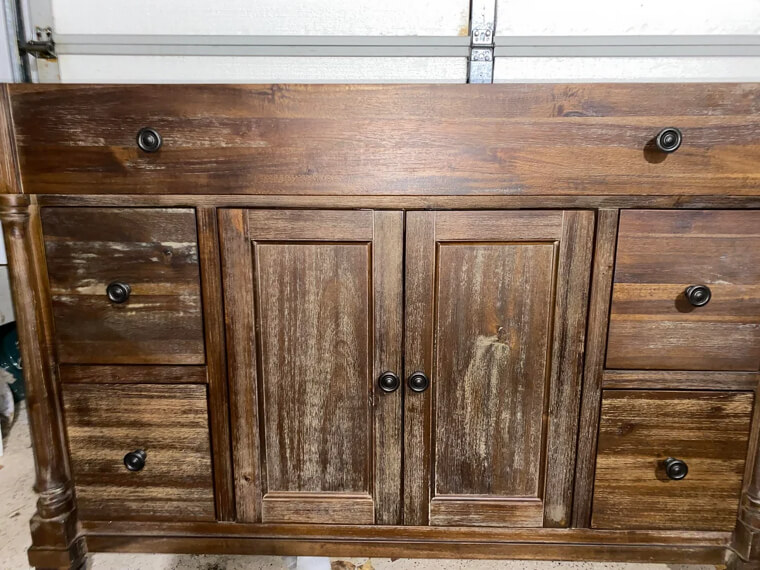
Today’s homeowners are reportedly repainting those chippy white dressers with solid, sophisticated hues to bring a sense of order and intentionality back to their bedrooms and living spaces within the home.
Glass Block Walls: The 80s Office Look in the Shower
Nothing screams 1985 quite like a curved wall of thick, heavy glass blocks. Originally used to let in light while maintaining privacy, they often ended up looking more like a commercial office building or a Miami nightclub than a relaxing home sanctuary. These walls are notoriously difficult to clean because of the extensive grout lines between the blocks that tend to discolor over time and look messy.
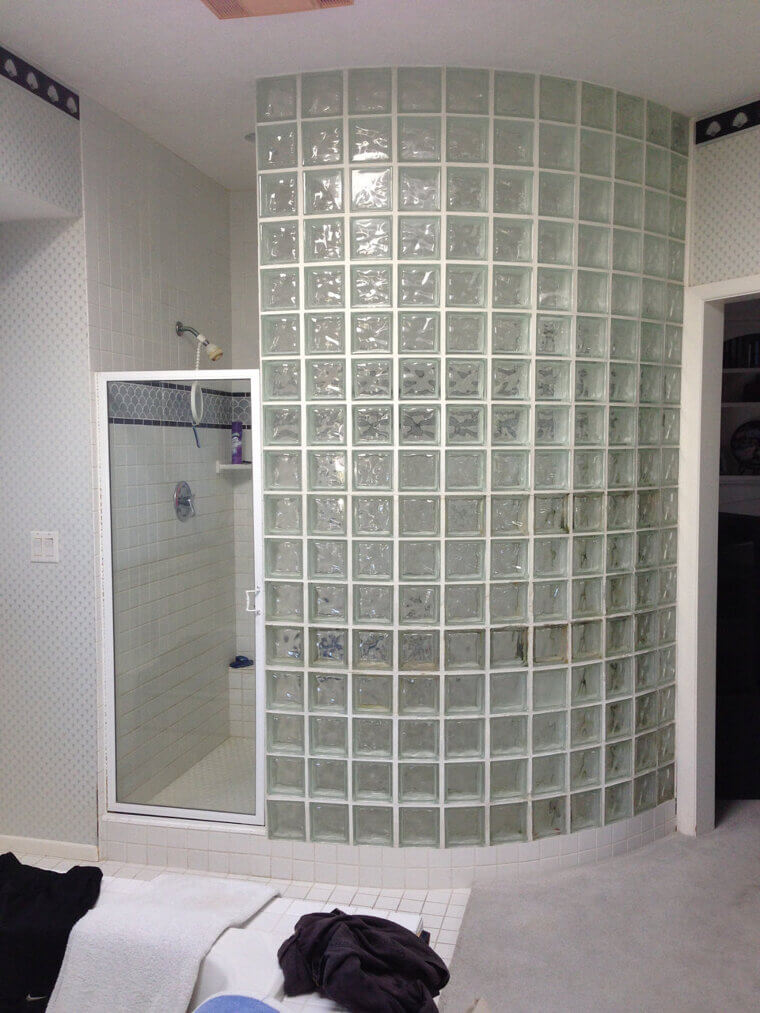
Most modern renovations involve tearing these structures out and replacing them with seamless glass panels that create a much more open and high-end spa feel for any master bathroom remodel project.
Border Wallpaper: The Visual Clutter at Eye Level
For a long time, no room was complete without a decorative wallpaper border running along the top of the wall or at chair-rail height. Whether it was geese with ribbons, ivy vines, or nautical ropes, these borders chopped up the visual height of a room in a very distracting way. Removing them is a rite of passage for many DIYers today, as they realize how much cleaner a room looks.
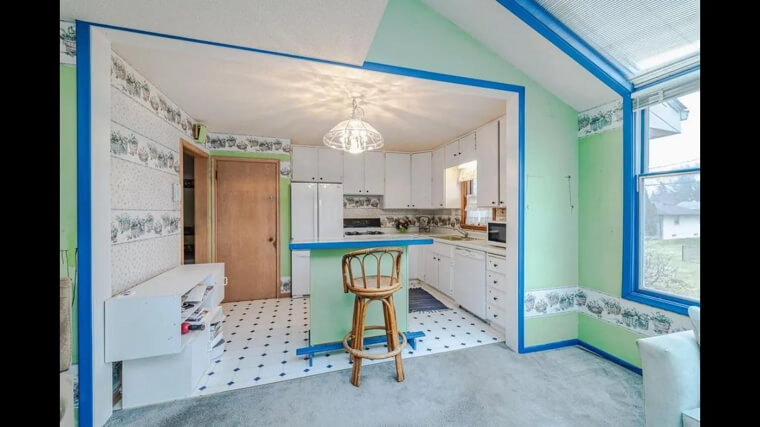
Allegedly, the adhesive was particularly stubborn, making this a labor of love to finally erase the visual noise that these repetitive patterns created everywhere in the family home.
Honey Oak Cabinetry: The Orange Hue of the 90s
If you lived through the 1990s, you likely had honey oak cabinets in your kitchen or bathroom. While the wood itself is durable, the specific orange-toned stain has become the hallmark of a dated home. The heavy grain pattern often clashes with modern countertops and flooring. Many homeowners are finally choosing to sand down these sturdy cabinets and apply a fresh coat of high-quality paint to the wood.
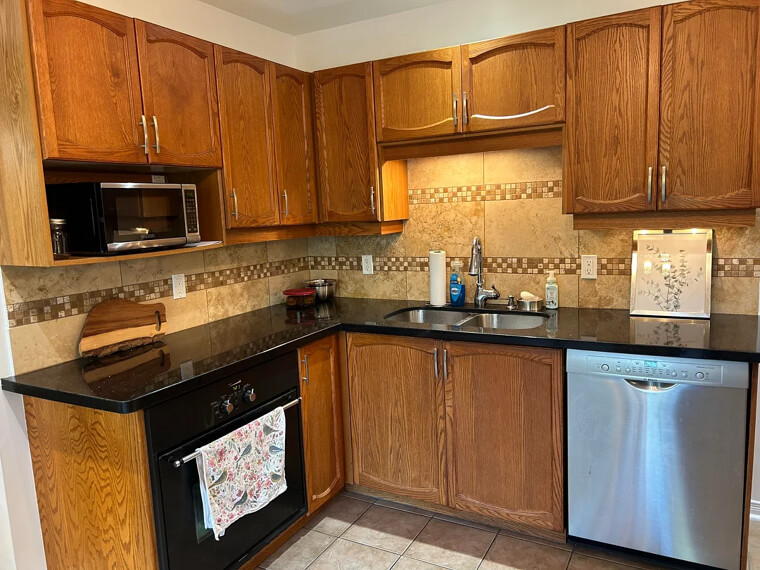
It is a cost-effective way to banish the orange glow without a full kitchen gut, making the space feel much more sophisticated and current for 2026 without the high price of replacement.
Sunken Living Rooms: The Conversation Pit Trip Hazard
The sunken living room, or conversation pit, was designed to create an intimate gathering space, but it essentially created a giant hole in the middle of the house. While they look cool in retro photos, they are notorious trip hazards and make furniture arrangement a total puzzle for owners. They also make a home less accessible for people as they age or have mobility issues in the future.
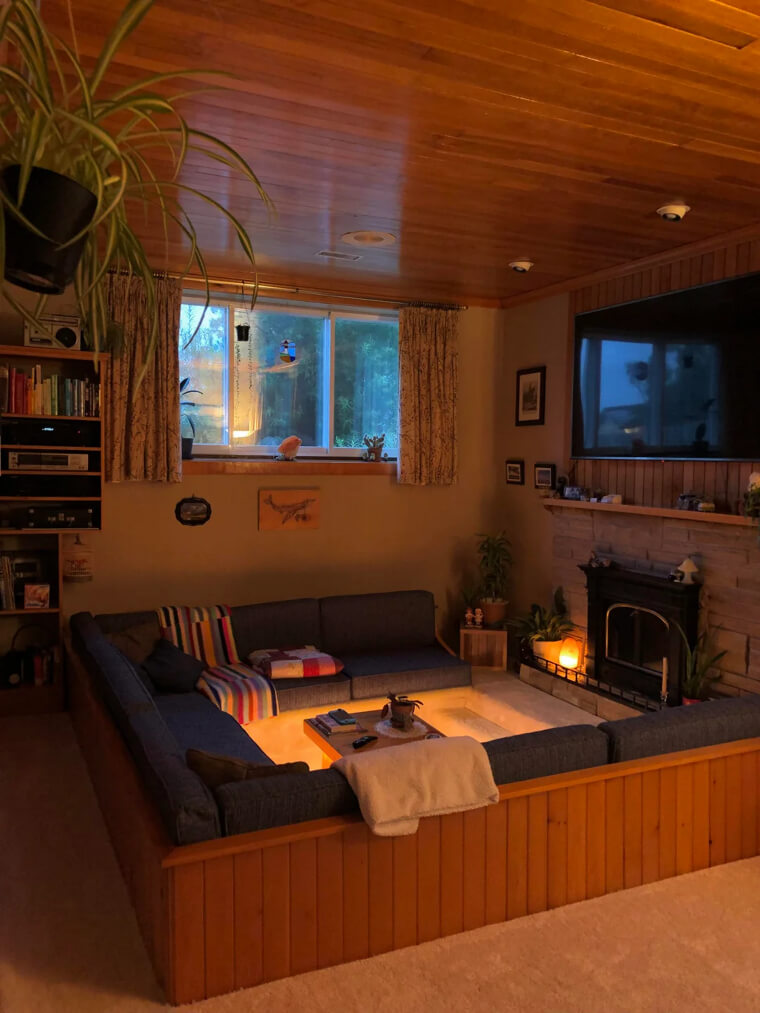
Many homeowners are now hiring contractors to fill in these pits, leveling the floor across the entire story to create a safer, more versatile open-concept living area that flows naturally for guests.
Brass Everything: The Polished Metal That Didn't Age Well
High-shine, polished brass hardware was the gold standard for doorknobs, faucets, and light fixtures for decades. Unfortunately, this specific type of brass often looks cheap over time, especially when it starts to pit or tarnish in humid environments like the bathroom. It can make a brand-new renovation look decades older than it actually is. The trend has shifted heavily toward brushed gold, matte black, or polished nickel now.
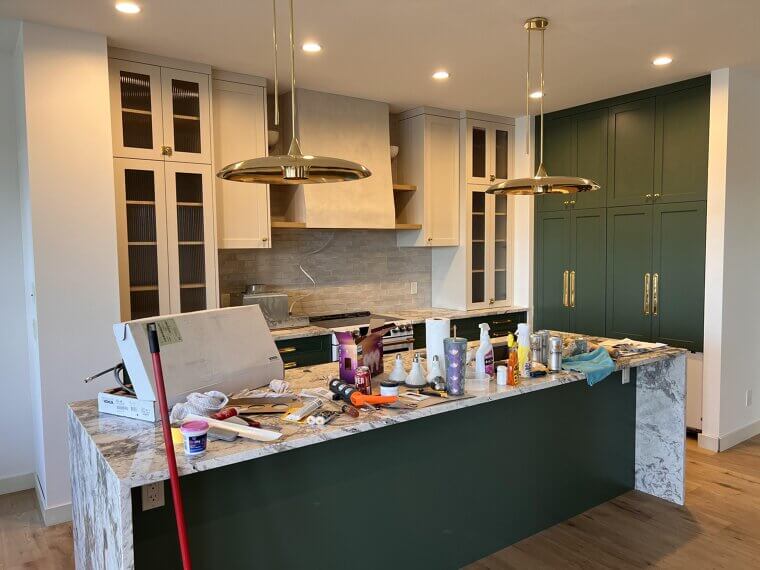
People are swapping out their shiny yellow-gold knobs in droves to give their interiors a more muted, contemporary, and sophisticated metallic touch that feels more expensive than the styles of the past.
Sponged Walls: The DIY Paint Job Gone Wrong
There was a moment in the 90s when everyone thought they were an interior decorator because they owned a sea sponge and two shades of beige paint. The sponge-painted look was meant to mimic old-world plaster or marble, but it usually just looked like a messy, mottled wall that needed a proper cleaning. It added a lot of visual noise to a room that made it hard to decorate.
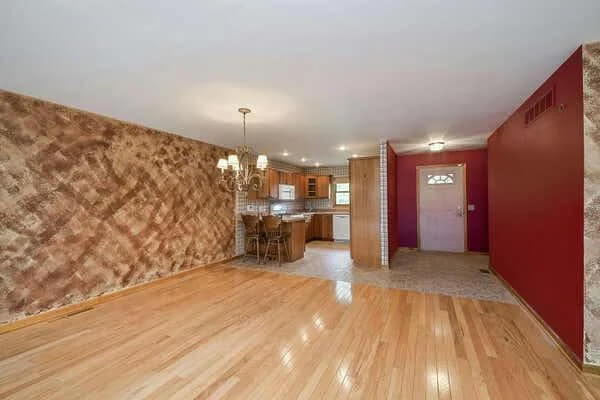
Homeowners are now smoothing over these textured paint jobs with high-quality primer and solid colors to create a more serene environment that doesn't feel like it is covered in messy fingerprints.
Vertical Blinds: The Clattering Plastic Slats
Commonly found covering large sliding glass doors, vertical PVC blinds were the functional choice of the 80s and 90s. However, they are famous for tangling, breaking off their tracks, and making a loud clattering noise every time a breeze hits them. They often give off a rental apartment vibe rather than a custom home feel. Homeowners are finally ditching the plastic slats for elegant linen drapes today.
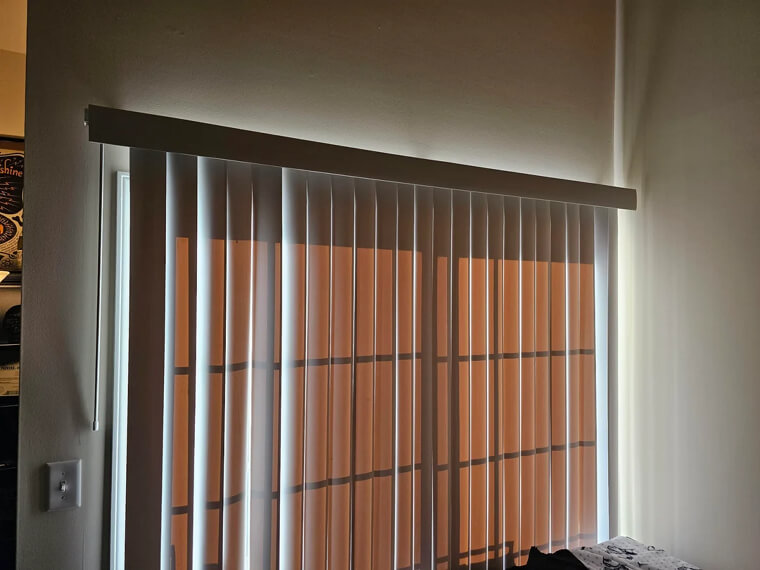
Motorized roller shades offer much better light control and a significantly softer, more expensive appearance that doesn't scream office waiting room to every guest who visits the patio or the backyard deck.
Valances and Heavy Swags: Smothering the Windows
Window treatments used to be incredibly elaborate, involving multiple layers of fabric, jabots, and heavy upholstered valances. These dust collectors blocked precious natural light and made ceilings feel lower than they actually were. The modern preference for less is more has led many to strip away the excess fabric entirely. By removing these heavy swags, homeowners are finding that their rooms suddenly feel airier and connected.
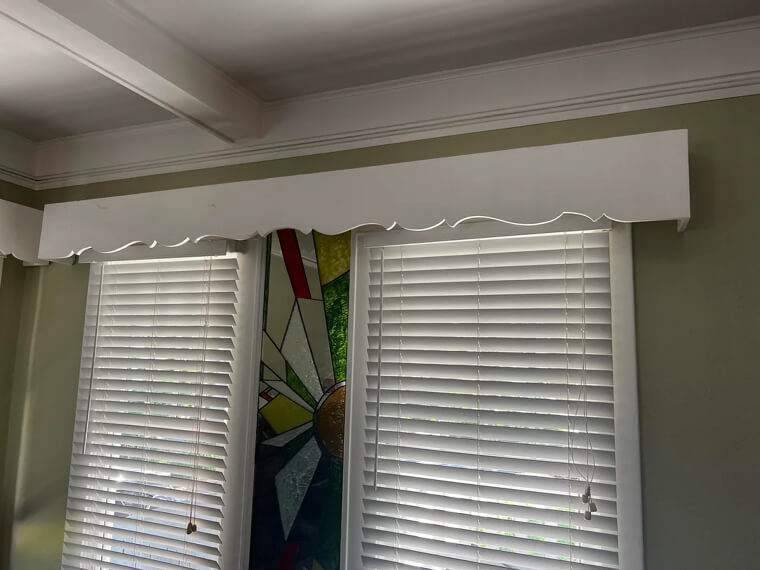
Reportedly, simple curtain rods and sheer panels are the new go-to for a timeless look that lets the sun shine in without the heavy velvet blocking the view from your living room window.
Linoleum Floors with Busy Faux Patterns
Sheet linoleum was a budget-friendly staple for kitchens and laundry rooms, often featuring intricate faux-tile patterns or floral motifs. Over time, these floors tend to yellow, peel at the corners, and show every scratch. The busy patterns also make it difficult to change the room's decor without a total clash of styles. Modern luxury vinyl tile has become the replacement of choice for most owners today.
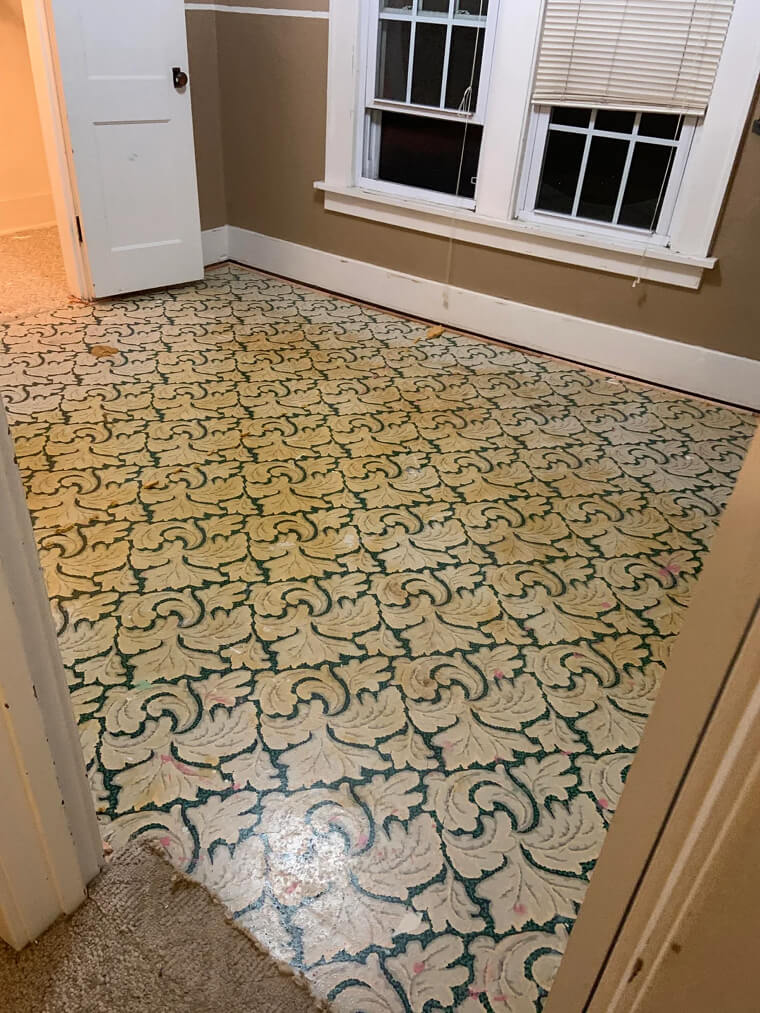
Tearing out the old, cracked linoleum is usually the first step in a refresh that makes the floor finally look like it belongs in a modern and clean home for your entire family.
Over-the-Range Microwaves: The Bulky Eye-Sore
For years, the standard for saving counter space was to mount a massive microwave directly over the stove. While practical, it creates a crowded cooking area and often results in poor ventilation because the built-in fans are rarely as powerful as a dedicated range hood. It also makes it difficult for shorter family members to reach hot food safely which can lead to kitchen accidents and spills.
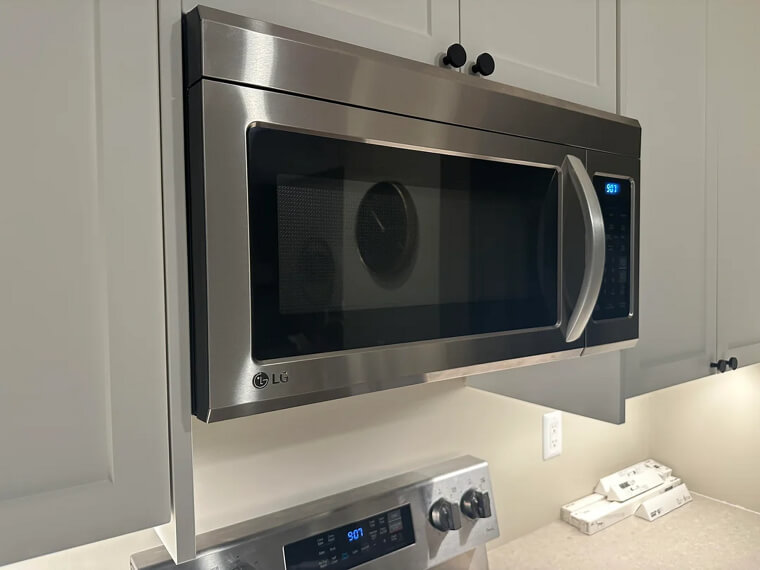
Many renovations now move the microwave to a lower drawer, allowing for a beautiful vent hood to become the kitchen focal point, improving both aesthetics and the air quality while you are cooking.
Tile Countertops: The Grout Line Struggle
Tile countertops were popular for their heat resistance and DIY-friendly installation, especially in the 70s and 80s. However, anyone who has actually cooked on them knows the nightmare of keeping the grout lines clean. Spilled juice, flour, and grease settle into the porous grout, making food prep feel unhygienic. They also provide an uneven surface for rolling out dough or setting down a wine glass safely.
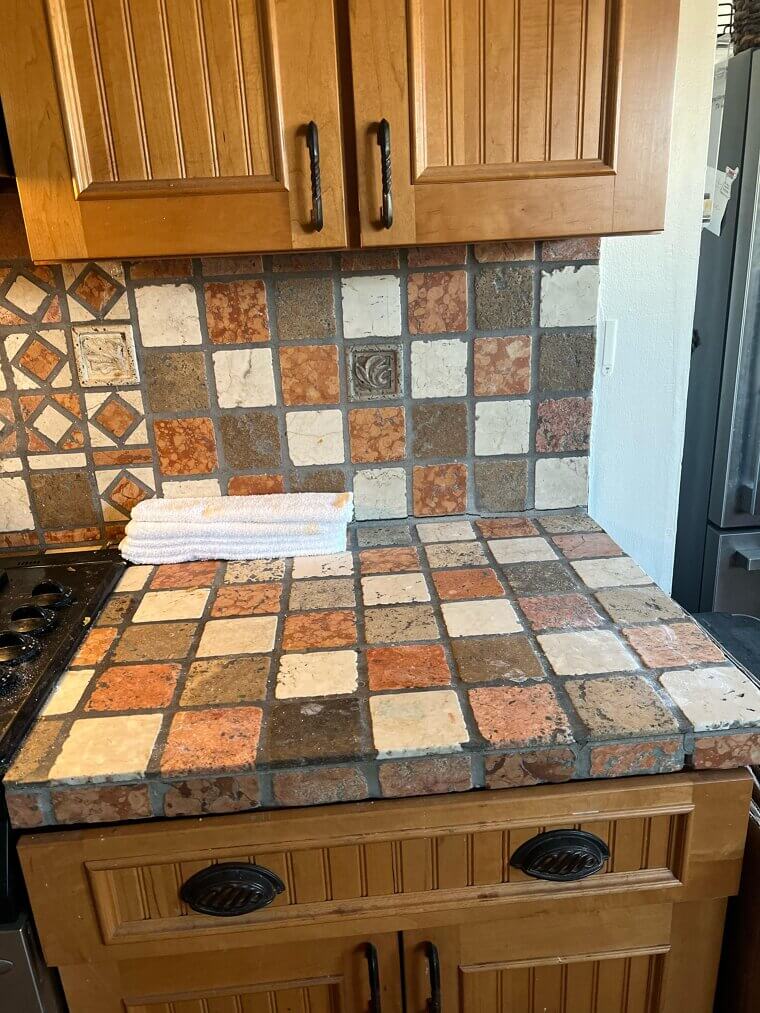
Homeowners are eagerly replacing these with solid surfaces like quartz or granite, which offer a seamless, wipe-and-go experience that makes daily kitchen chores significantly less frustrating for everyone involved in the meal cleanup.
Dark Wood Paneling: The Basement Den Vibe
Real wood or laminate paneling was the hallmark of the 1970s man cave or family room. While it was intended to feel cozy and lodge-like, it often resulted in rooms that felt dark, heavy, and a bit claustrophobic for the average family. Many homeowners are finally taking a crowbar to these panels to reveal the drywall beneath for a fresh start in their living areas.
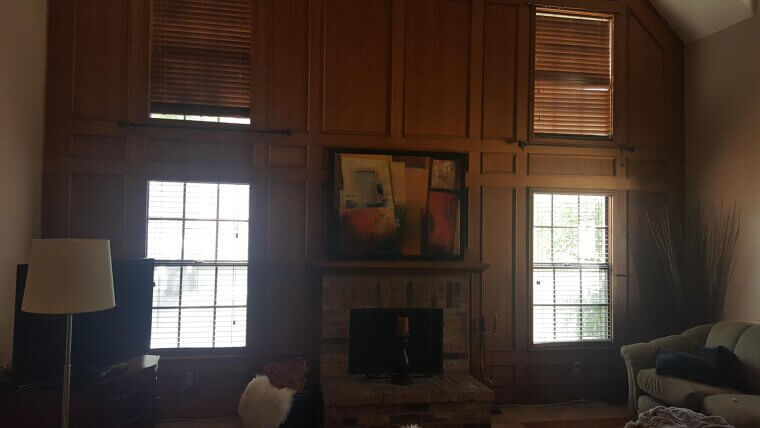
In cases where the paneling is staying, a popular cheat is painting it a bright white. This maintains the texture of the lines while banishing the oppressive dark brown color from the room.
Greenhouse Windows: The Leaky Kitchen Bump-Out
The garden window that bumped out over the kitchen sink was a 1980s dream for herb lovers. In reality, these units were often poorly insulated, leading to massive heat loss in the winter and sweltering temperatures in the summer. They were also notorious for leaking and developing seal failures that fogged up the glass over time, making them look messy and neglected to most visitors.
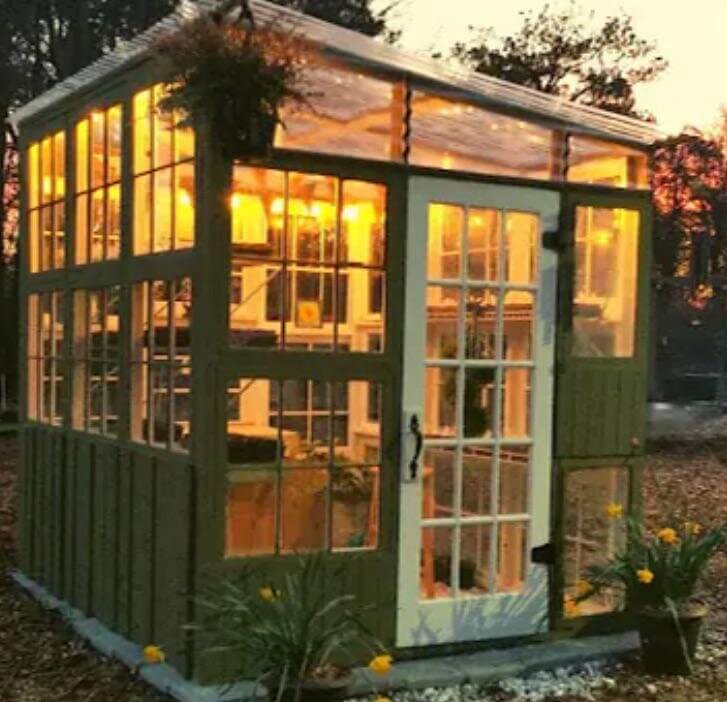
Today’s homeowners are swapping these bulky boxes for large, flat, energy-efficient windows that provide a clearer view of the backyard without the structural headaches or the constant battle with condensation and interior mold.
Frilly Bed Skirts: The Dust-Gathering Ruffles
The coordinated bedding sets of the 90s always included a matching, ruffled bed skirt to hide the box spring. Not only do these look a bit fussy for modern tastes, but they also act as a magnet for dust bunnies and pet hair. They require constant adjustment to stay straight and are a pain to wash regularly without taking the entire bed apart for the afternoon.
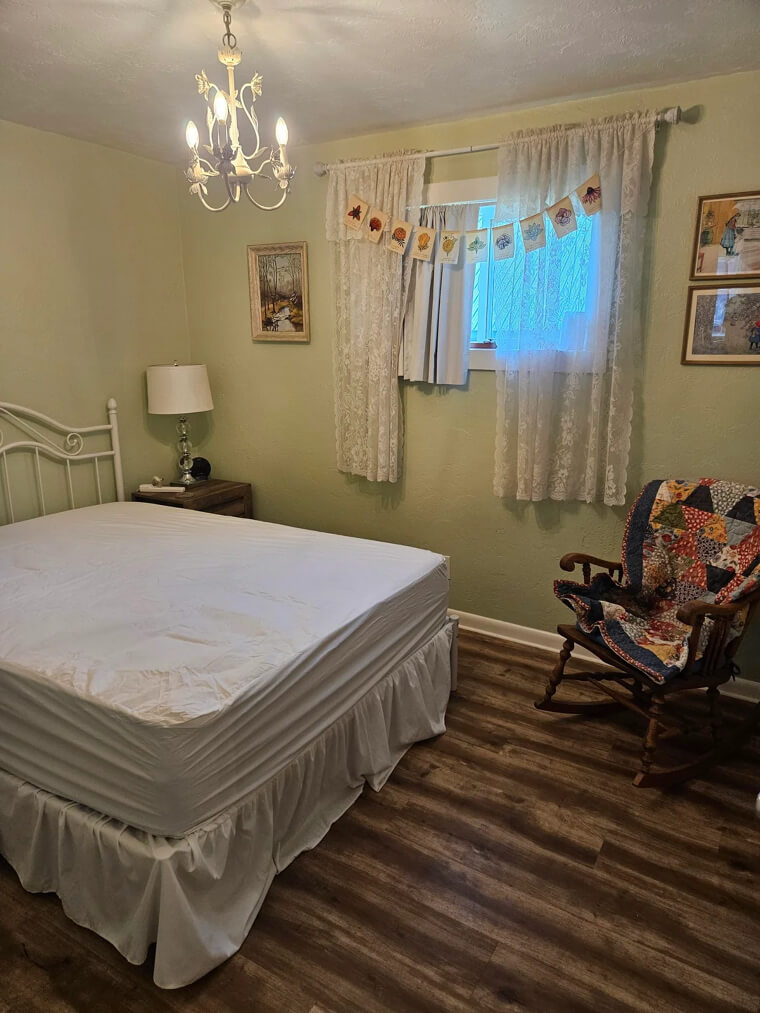
Many people are now moving toward platform style beds or sleek box spring covers that provide a much cleaner look. This small change makes the bedroom feel more modern while making cleaning much easier.
Track Lighting: The Spotlight Overkill
Industrial-style track lighting was a huge trend in the late 80s and 90s, often used to highlight artwork or provide task lighting in kitchens. However, the bulky fixtures can look cluttered on a ceiling and often create harsh shadows rather than a warm, ambient glow. They also have a habit of getting very hot and being difficult to adjust once they have aged and warped.
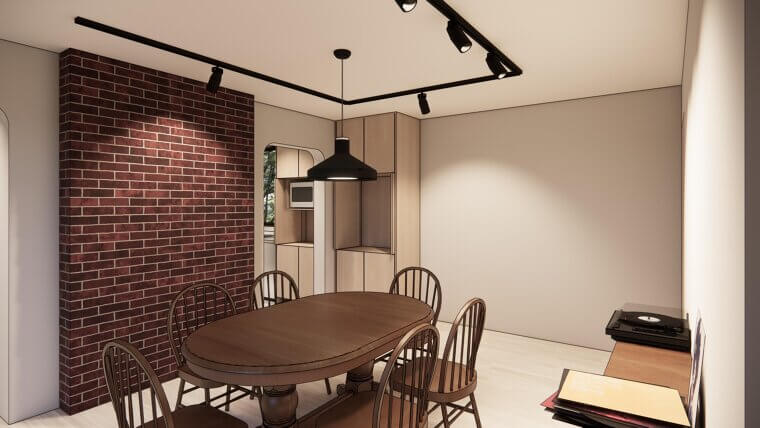
Homeowners are now replacing these with recessed can lights or sleek LED strips that provide plenty of light without the visual noise of those dated black or white tracks hanging from the kitchen ceiling.
Oversized Whirlpool Tubs: The Dust Collector of the Master Bath
The 1990s was the era of the massive, built-in whirlpool tub surrounded by a large tile deck. Homeowners thought they would spend every night in a bubbling spa, but in reality, these tubs take forever to fill and use an enormous amount of hot water. The jets can also harbor bacteria if not cleaned perfectly after every use which becomes quite a difficult chore for homeowners.
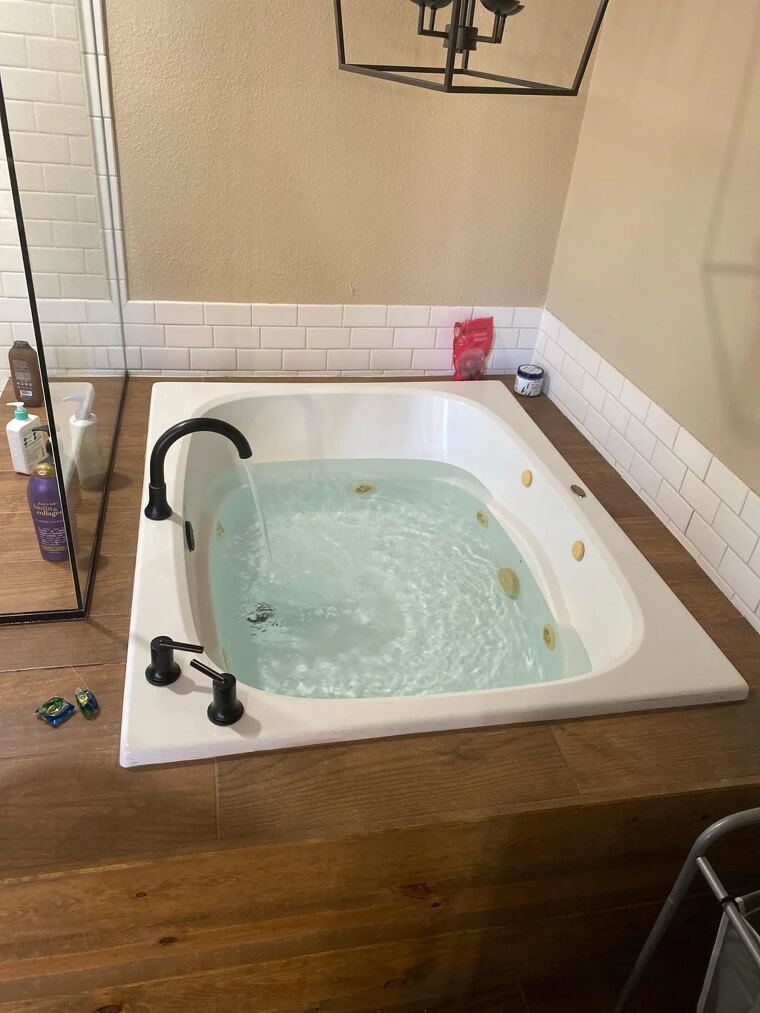
Today, these monsters are being ripped out to make room for much larger walk-in showers with multiple showerheads. This is a far more practical use of bathroom space for daily routines and aging-in-place needs.
Formica Backsplashes: The One-Piece Plastic Look
Before decorative tile was the norm, many kitchens featured a backsplash made of the same Formica laminate as the countertop, often with a curved cobra edge. This look is very retro in a way that feels dated rather than classic and elegant. It limits your ability to add color or texture to the walls through tile or paint since the plastic goes up several inches from the counter.
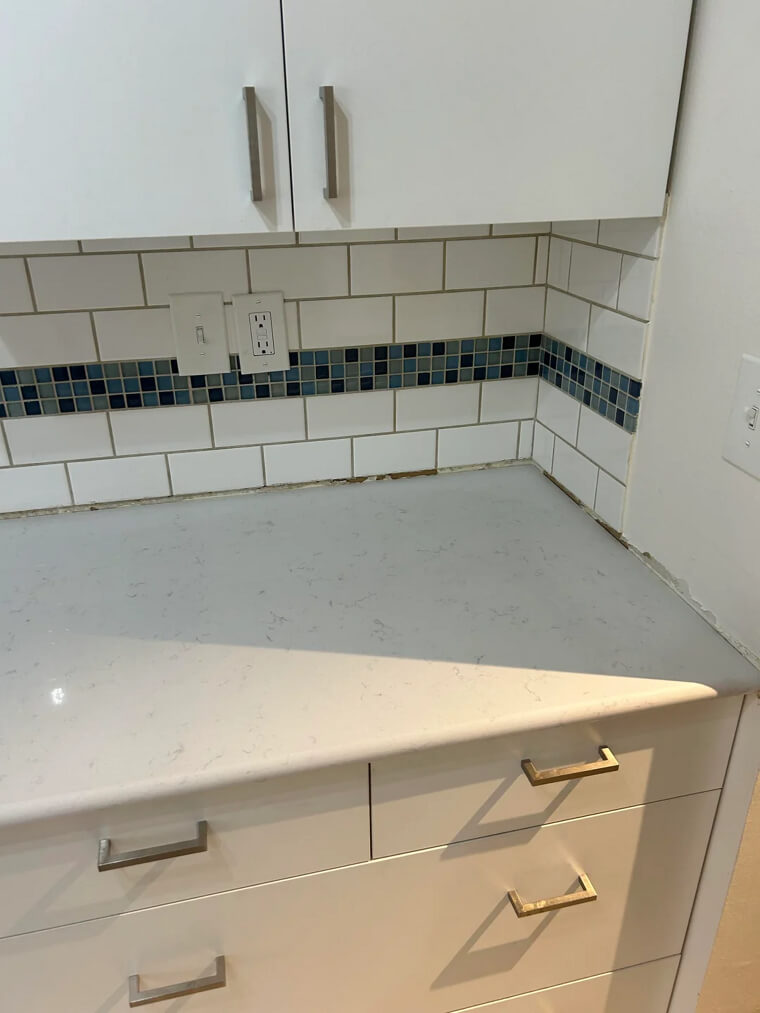
Homeowners are now peeling these off and replacing them with modern tile like subway patterns. This change alone can take a kitchen from 1982 to 2026 in just a single weekend project.
Mirrored Closet Doors: The Endless Smudges
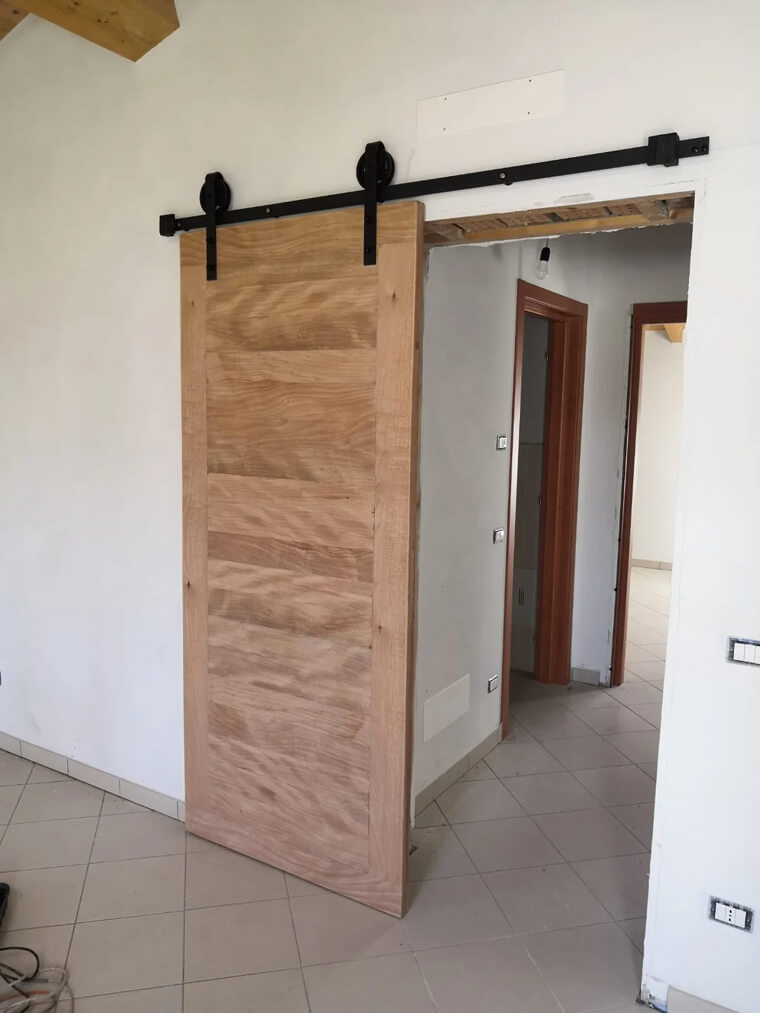
Floor-to-ceiling mirrored sliding doors were a staple in bedrooms for decades because they made small rooms feel larger. However, they are also a magnet for fingerprints and smudges, requiring constant cleaning for anyone with kids or pets. They can also feel a bit dated and cold in a cozy bedroom setting. Many people are replacing these heavy glass sliders with beautiful wooden barn doors to add charm.
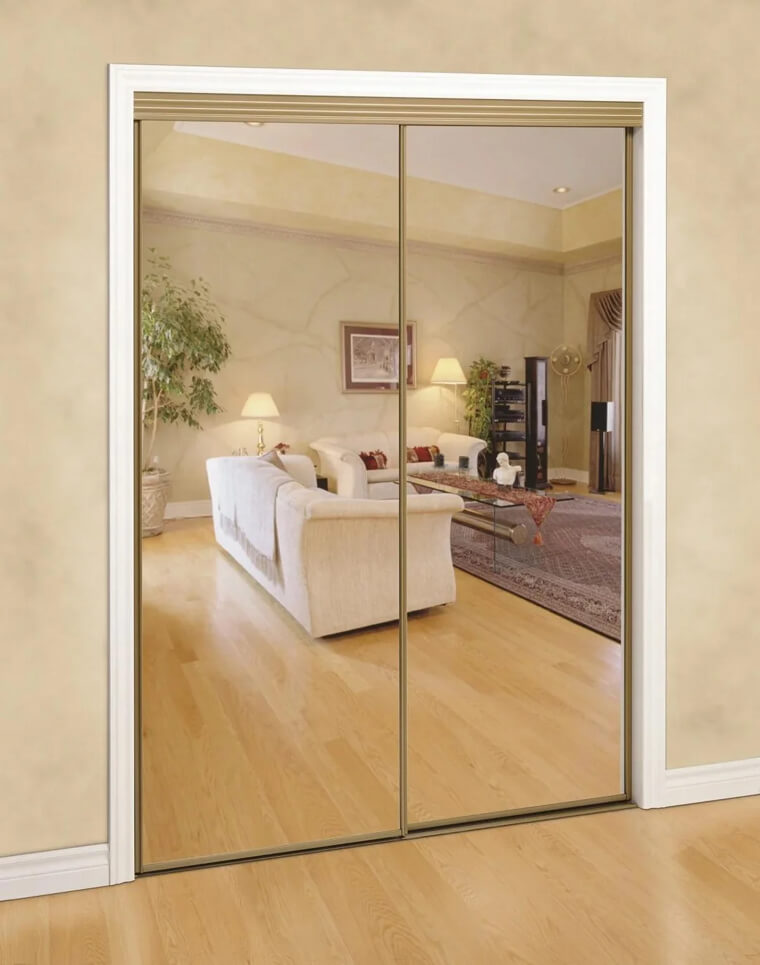
This adds a touch of architectural interest and warmth to the room while doing away with the Windex and maintenance that those large sheets of glass required for decades in the master suite.
Fluorescent Box Lighting: The Office Kitchen Glow
Many homes built in the 80s featured a large, recessed box in the center of the kitchen ceiling filled with flickering fluorescent tubes and covered by a plastic grate. This lighting is notoriously unflattering, casting a greenish-yellow hue over everything and everyone in the room. It also hums and flickers as it ages, creating a distracting environment that no one wants to work in for very long.
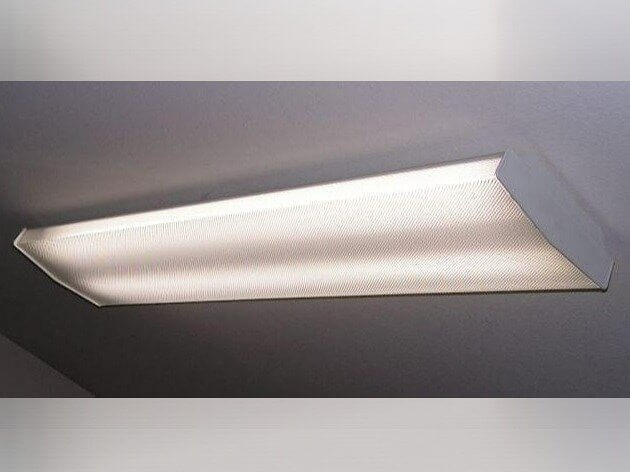
Homeowners are finally tearing out these bulky boxes and patching the drywall to install modern, dimmable LED recessed lighting instead. The result is a much softer light that makes the kitchen inviting.
Heavy Oak Stair Railings with Orange Finishes
Similar to the kitchen cabinets, the thick, turned-wood stair railings of the 90s are often finished in that same dated honey stain. These railings can look very chunky and traditional in a way that weighs down an entryway and makes it look old-fashioned. Many homeowners are opting to modernize their stairs by painting the spindles white and staining the handrail a dark espresso or black.
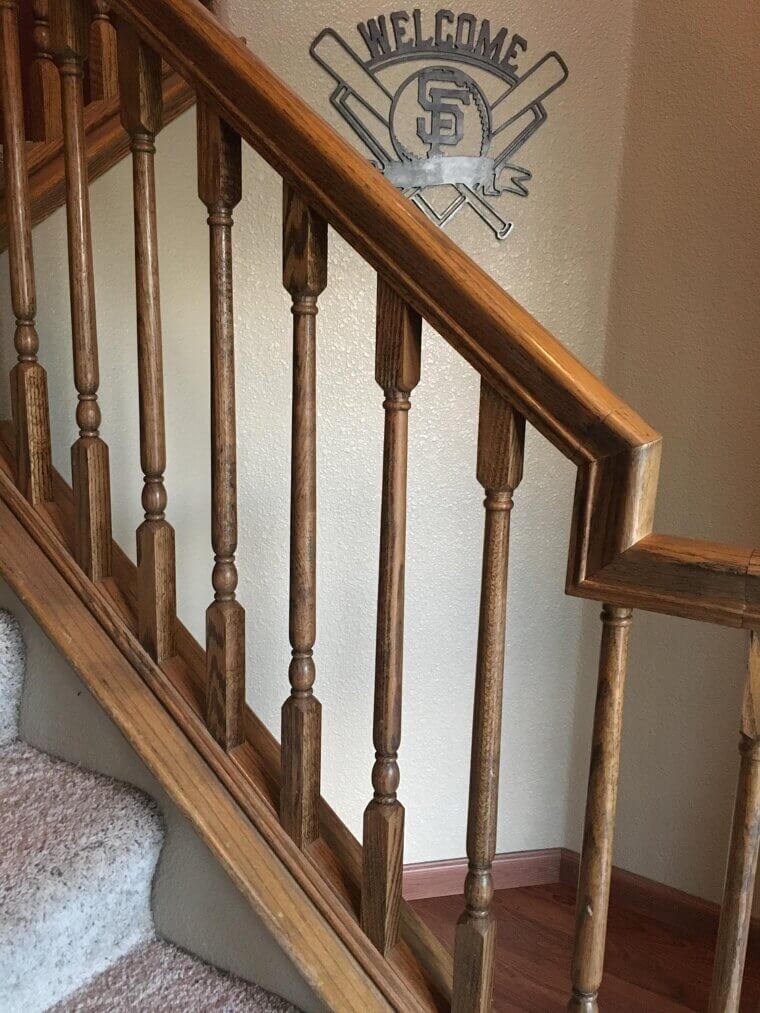
Others are replacing the wooden spindles entirely with sleek wrought iron balusters. This creates a more timeless, elegant look that instantly increases the home's perceived value and creates a much more dramatic first impression.
Plaid and Floral Country Wallpaper
The country aesthetic of the late 80s brought an explosion of plaid patterns and tiny floral prints, often used together in the same room. While cozy, it can feel very busy and overwhelming to the eyes after a few years of looking at the same repeating pattern. Reportedly, removing this wallpaper is one of the most common home improvement tasks today for new homeowners everywhere.
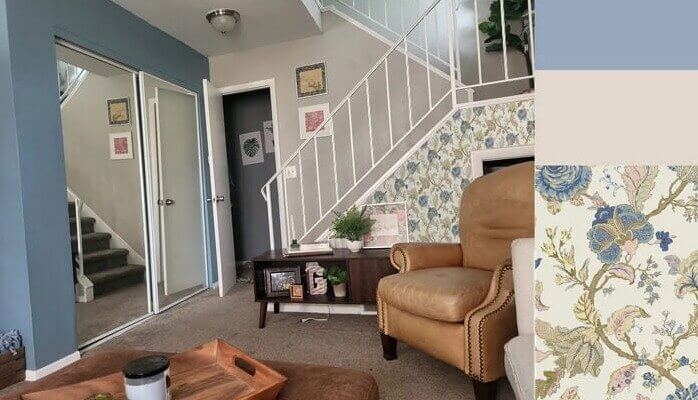
People are moving toward styles that use patterns more sparingly. They are opting for solid paint colors that allow their artwork and furniture to stand out rather than getting lost in a sea of flowers.
Glass-Fronted Dust Cabinets
There was a trend for putting glass doors on every single upper cabinet in the kitchen. While it looks great in a showroom, it requires the homeowner to keep their dishes perfectly organized and color-coordinated 24/7. Most people find that their mismatched plastic cups and cluttered shelves aren't exactly the view they want to see every morning. Many are now replacing most of the glass with solid.
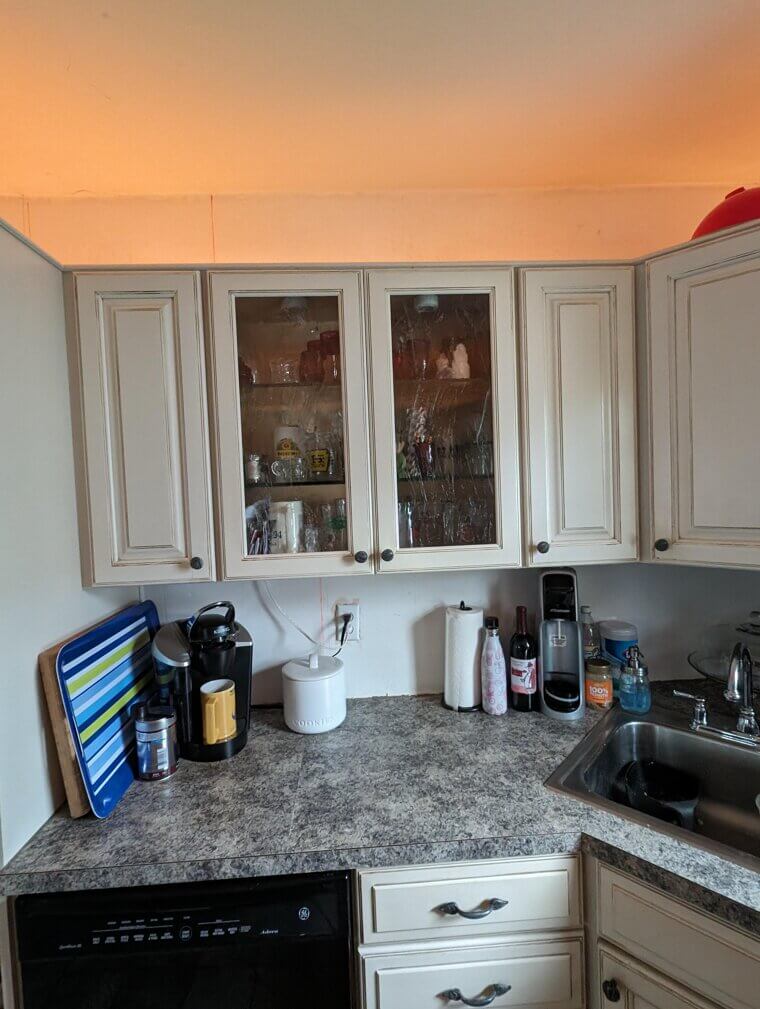
They are leaving only one or two accent cabinets with glass to display heirlooms, which significantly reduces the daily pressure of maintaining a kitchen that looks like a museum rather than a home.
Built-In Media Centers for Tube TVs
Many homes feature massive, expensive built-in cabinetry designed specifically to hold those giant, deep tube televisions from the late 90s. Now that TVs are paper-thin and mountable on the wall, these deep cavities are a waste of space and look very awkward in a modern living room. Homeowners are either ripping these built-ins out entirely to reclaim floor space or hiring carpenters to reface them.
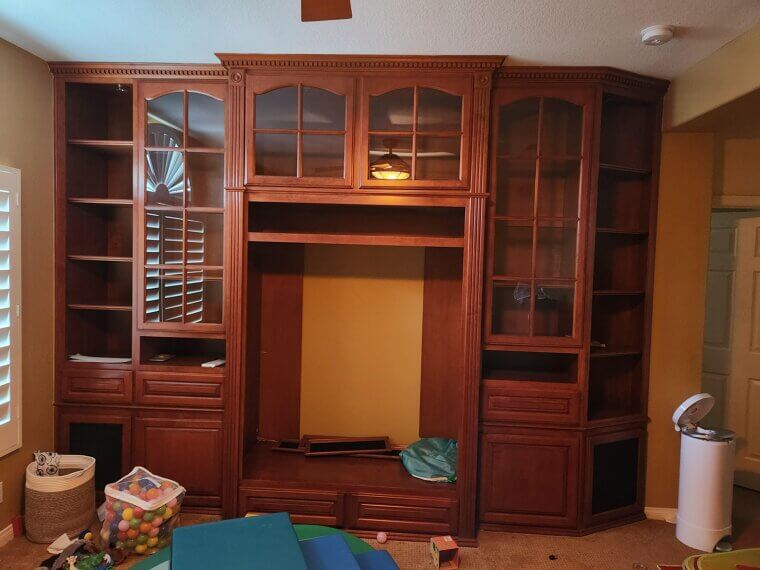
By shallowing out the shelves and adding modern doors, they can transform a dated entertainment center into a sophisticated library or a sleek, hidden bar area that actually fits today's technology and lifestyle needs.
Arched Doorways with Faux Stone Wraps
In the early 2000s, the Old World trend led many to install faux-stone veneers around arched doorways to make their suburban homes look like castles. Unfortunately, these often look obviously fake and can make the transitions between rooms feel heavy and dated rather than charming. Homeowners are now removing the stone and returning to clean, simple drywall arches or squared-off openings with classic trim for a look.
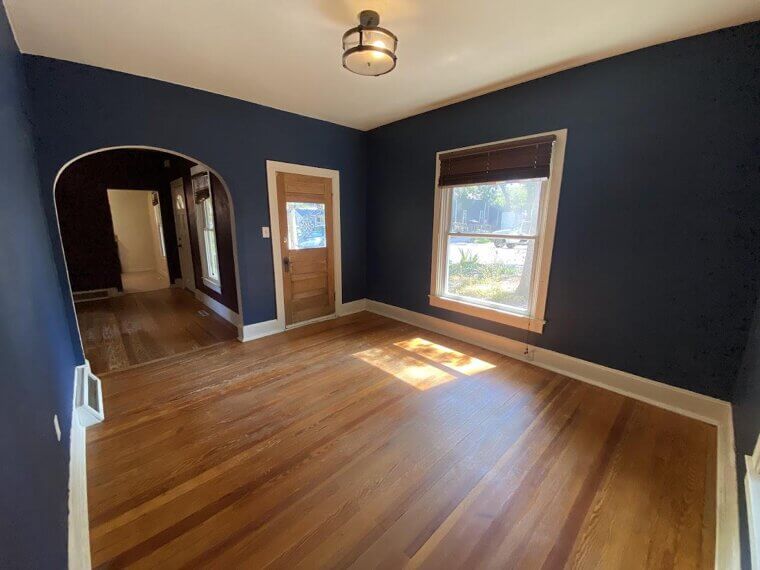
This allows the architecture to feel more honest and light, creating a much better flow for modern furniture and decor styles that lean toward simplicity and high-quality materials rather than theatrical stage-set elements.
Faux-Finished Columns: The Marbled Pillars
Whether they were supporting a porch or just sitting in the corner of a dining room, faux-marbled columns were a high-society trend that hasn't aged particularly well. The hand-painted veining often looks more like scratches than real stone upon closer inspection, revealing the trick. Today, people are stripping the paint and returning these columns to a classic, crisp white or boxing them in with wood.
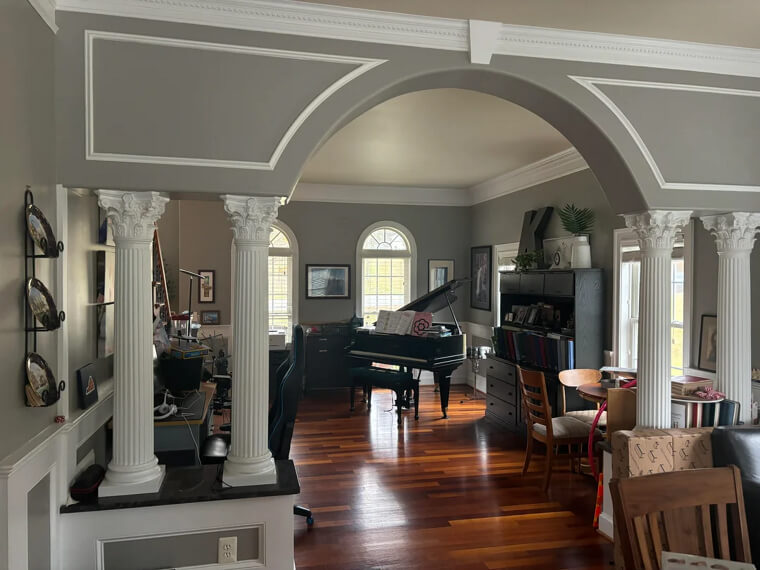
It is an easy way to move away from the theatrical decor of the past and toward a more authentic aesthetic that feels grounded and permanent rather than like a temporary stage set for guests.
Brass Fireplace Inserts: The Shiny Gold Frames
Almost every single gas or wood-burning fireplace from the 90s came with a shiny, polished brass frame and glass doors. Just like the doorknobs, this bright yellow metal can really date a living room and make it feel cheap. The good news is that this is an easy fix for any DIYer; many homeowners are using high-heat spray paint in matte black for a look.
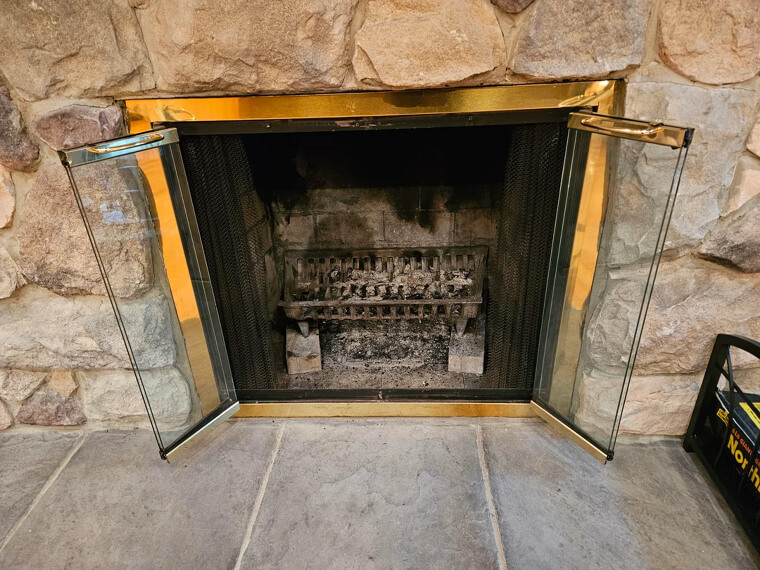
This simple project gives the fireplace a high-end feel for about twenty dollars, proving that you don't always have to tear something out entirely to make it look brand new and sophisticated for today.
Border Tiles in the Shower: The Dolphin or Leaf Accents
In the 90s, it was very popular to have a neutral shower with a single row of highly decorative accent tiles featuring dolphins, leaves, or abstract swirls. While it felt custom at the time, it now feels very specific to that era and can make a bathroom feel dated and tacky. Homeowners are now opting for cohesive designs that use the same tile throughout the shower.
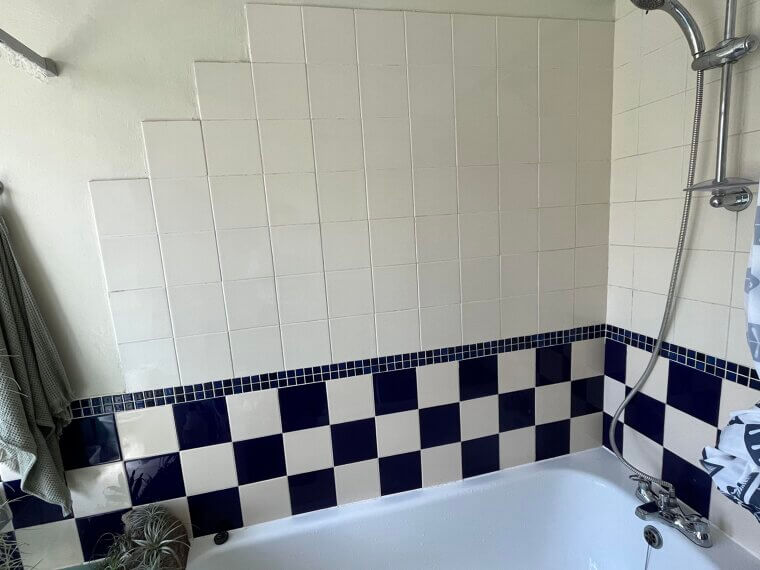
They are using texture or different laying patterns like herringbone rather than literal picture tiles to add interest. It creates a more timeless, hotel-spa vibe that won't feel old in five more years.
Dark Granite with Speckled Patterns
Baltic Brown or Uba Tuba granite was the gold standard for luxury in the early 2000s. These dark, heavily speckled stones were durable, but they tend to absorb all the light in a room and make a kitchen feel cave-like and depressing. They also hide crumbs so well that you never know if the counter is clean without feeling it by hand for the mess!
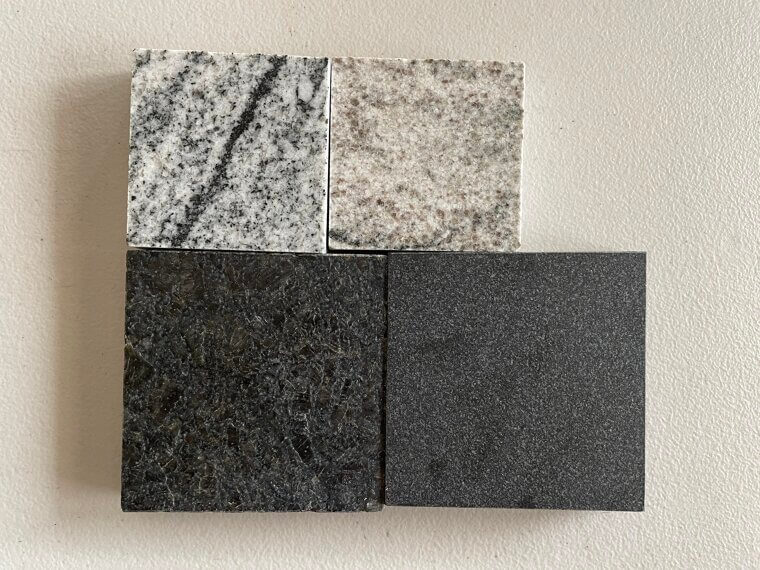
Many homeowners are now swapping these out for lighter quartz or honed marble finishes. These lighter surfaces reflect light and make the entire kitchen feel fresher, cleaner, and much more modern for the family.
Vertical Wood Siding Indoors: The Diagonal Trend
In the 80s, it wasn't enough to just have wood paneling; it had to be installed at a 45-degree angle. This diagonal wood siding was meant to look architectural and edgy, but it often just looks chaotic and dated today to the average visitor. It draws the eye in too many directions and makes it hard to hang art effectively without everything looking tilted and crooked.
Tearing this out and replacing it with simple drywall or horizontal shiplap is a popular way to calm the room down. It’s a major renovation regret that many are finally fixing for a home.
Giant Mirrored Walls: The Gym Look in the Dining Room
A whole wall of mirrors was a classic 80s trick to double the size of a room. However, unless you are in a dance studio, it can feel a bit overwhelming to see yourself from every angle while eating dinner with your family. These mirrors are often glued heavily to the wall, making them a challenge to remove safely without breaking glass everywhere in the living room.
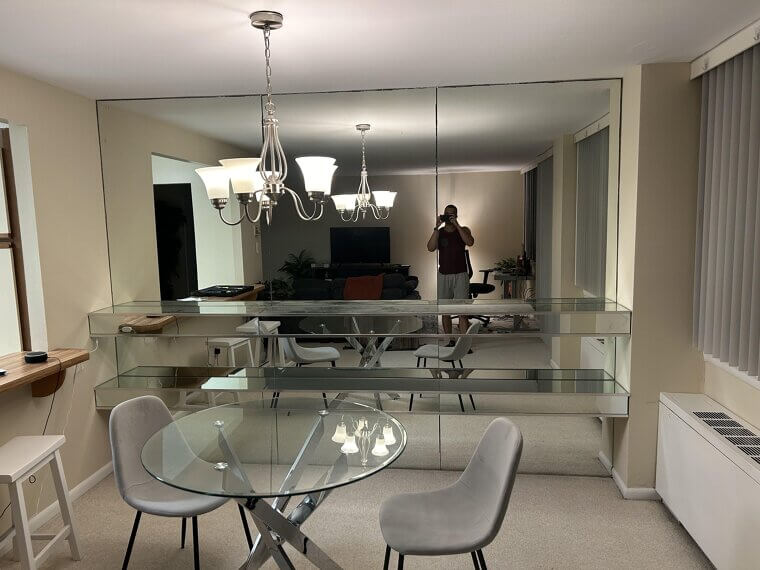
Replacing a mirrored wall with a gallery of framed photos or a bold accent paint color makes the space feel more intentional and much warmer for your guests and your family to enjoy.
Chrome Wire Shelving in Pantries
The industrial look of the early 2000s led many to install basic chrome wire shelving in their pantries and closets. While cheap, these shelves are frustrating because small items fall through the gaps or tip over constantly, creating a mess. They also don't provide a very finished look for a high-end home in the modern era. Homeowners are now replacing these with solid wood shelving.
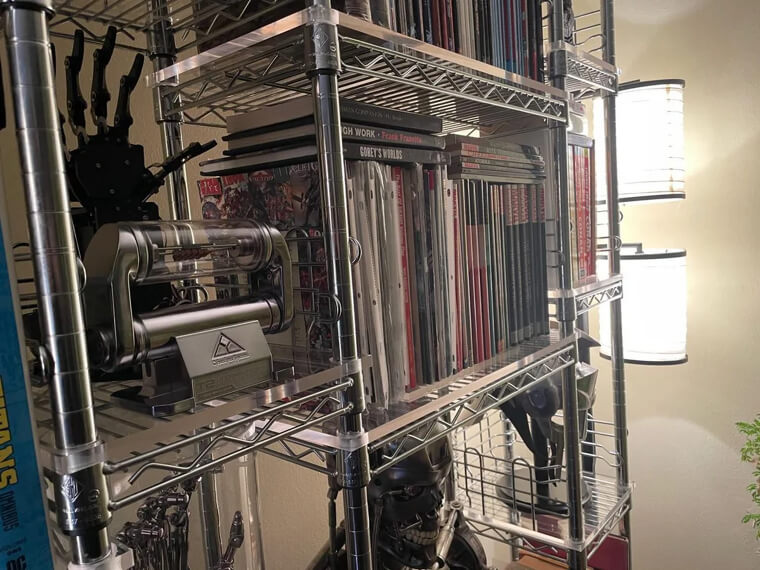
It’s a functional upgrade that makes daily organization much easier and gives the home a more custom, high-end feel while ensuring your boxes and jars stay exactly where you put them in the pantry.
Over-sized Crown Molding: The Too Much Trim
There was a period where more was more when it came to molding. Homeowners were putting massive, multi-layered crown molding in rooms with standard eight-foot ceilings to try and make them look expensive. Instead of looking grand, it often made the ceilings feel lower and the room feel stuffed and cramped. The current trend is toward trim that matches proportions perfectly without overwhelming the space.
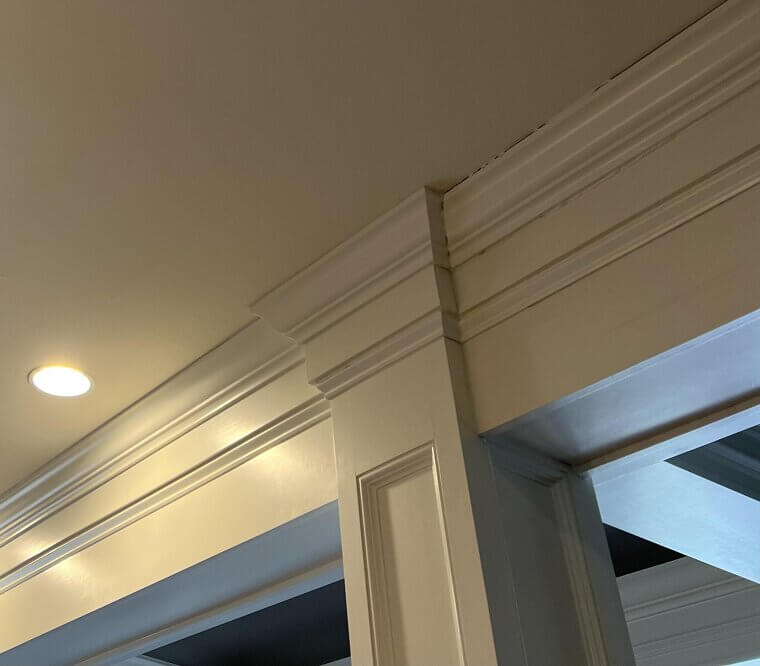
Many people are removing the extra layers of molding to let the room breathe again, proving that sometimes the best design choice is knowing when to stop adding and let the architecture speak for itself.
Beige Everything: The Builder Beige Era
For about a decade, every new home was painted a shade called Tuscan Beige or even builders' tan. While it was a safe choice for resale, it eventually made many homes feel bland and uninspired to live in. This sea of beige is finally being drained as homeowners embrace greige or bold, moody colors like navy and forest green to add personality to their rooms.
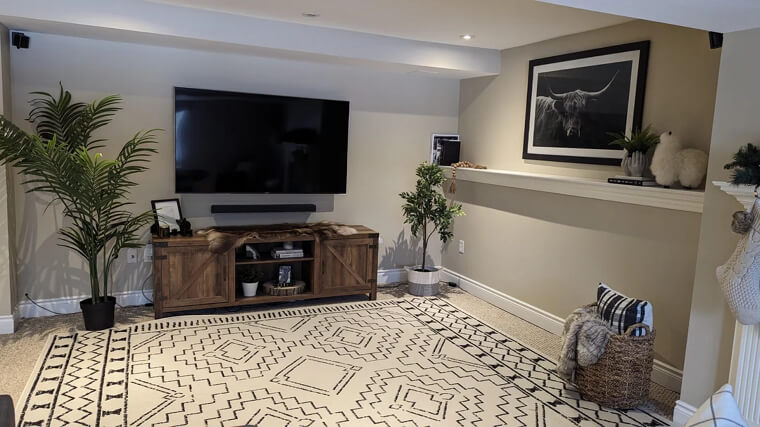
Allegedly, a fresh coat of a more modern neutral can increase appeal and value significantly, making it one of the most satisfying renovation tasks to complete for an instant and affordable home transformation for homeowners.